Every therapy clinic knows the pattern that shows up between Thanksgiving and New Year's Day, when the schedule starts to thin out as patients travel to see family, host relatives, or juggle school breaks for children and grandchildren. Some patients simply decide that a busy December week is not the week for an appointment. Clinics close for a day or two and therapists take well-earned time off, so a patient who has been coming in two or three times a week can end up with a gap of several weeks between visits.
Time with family is exactly the kind of life that rehabilitation is meant to protect, so the gap itself is not the problem. The risk comes when the break arrives without a plan, and that is the part therapists can shape during the last few sessions of the year.
For many patients, the holidays are also the first time since a stroke, injury, or surgery that they will try to take part in traditions they have kept for decades. Cooking a favorite dish, sitting at a crowded table, wrapping gifts for grandchildren, or climbing the front steps at a relative's house can carry a lot of meaning, and it can carry a lot of worry too. A thoughtful plan helps those moments feel more like a return to normal life than a test, and it gives the patient something meaningful to work on while they are away from the clinic.
This post walks through how to use those final sessions well, starting with a short home program a patient will realistically follow during a hectic month. It then turns everyday holiday tasks into detailed practice for activities of daily living (ADLs), covers how to prepare patients and families for travel, and ends with what to re-check when the patient walks back through the door in January.
Why a Few Weeks Away Can Matter More Than It Looks
The encouraging news is that progress built in therapy does not disappear overnight, even when practice stops for a while. In one randomized trial of healthy, moderately active older men, six weeks without training led to roughly a 15 percent drop in lower-body strength and jump height, yet the men did not slide all the way back to where they started before the program (Kalapotharakos et al.). Those participants were not rehabilitation patients, so the results do not translate directly to the people we treat. They still offer a helpful way to explain the holiday gap to patients, because they suggest that gains tend to fade gradually rather than all at once, which gives a short home program something real to protect.
For a patient who is still rebuilding after a stroke, a joint replacement, or a long hospital stay, the margin between managing well and struggling can be narrow, which is why a break that looks short on the calendar deserves real planning. The holidays also tend to change nearly every part of a routine at once, from sleep and meals to how long a patient sits, how far they walk, and how many people are moving around them.
The emotional side of the season deserves attention as well, since the holidays can feel joyful and heavy at the same time. In the American Psychiatric Association's 2025 Healthy Minds Poll, 41 percent of U.S. adults said they expected more holiday stress than the year before, and nearly half said they were worried about missing someone or coping with grief (American Psychiatric Association). The same poll found that about one in four adults were looking forward to decorating their homes and preparing holiday meals. That is a useful reminder that the activities patients care most about this time of year are often the very ADLs and instrumental activities of daily living (IADLs) that therapy is designed to support.
Falls are the other reason to plan ahead, especially for patients who will spend the season in homes they do not know well. More than 14 million adults age 65 and older, about one in four, report falling each year, and falling once doubles the chance of falling again (Centers for Disease Control and Prevention, "Older Adult Falls Data"; Centers for Disease Control and Prevention, "Facts About Older Adult Falls"). Holiday homes add their own hazards, and the U.S. Consumer Product Safety Commission estimates about 160 decorating-related injuries every day during the season, with nearly half involving falls (U.S. Consumer Product Safety Commission). A patient heading into that environment with a clear plan, a few practiced strategies, and a short list of things to watch for is in a much stronger position than one who simply hears "see you after the holidays."
Build a Short Home Program Patients Will Actually Use
The best holiday home program is usually smaller than the one a therapist would prescribe during an ordinary month. In a small randomized study of 15 adults over 65, Henry and colleagues assigned participants two, five, or eight home exercises. The group given two exercises performed them with better quality than the group given eight, needing less cueing and showing better alignment and control (Henry et al.). Self-reported compliance did not differ between the groups, so the study does not show that fewer exercises get done more often, but it does suggest that a shorter list tends to be done better. That message fits the holidays well, since a patient who is cooking, traveling, and hosting has limited time and attention to give.
A practical starting point is to choose the two to four exercises that most directly protect the patient's most important functional goal for the holidays. For a patient whose goal is to walk safely around a relative's home, that might mean sit-to-stands from a sturdy kitchen chair, supported heel raises at a counter, and a short daily walk. A patient recovering arm function after a stroke might instead keep one strengthening exercise and one task-based activity that uses the affected hand. Each exercise should be possible in a guest room or living room, with no special equipment, in about ten to fifteen minutes total, so the program travels as easily as the patient does.
Tie Each Exercise to a Routine That Survives the Holidays
Habit research offers a simple idea that works especially well when schedules fall apart. Gardner, Lally, and Wardle describe habit formation as repeating a chosen action in the same context, such as after breakfast or after brushing teeth, until the cue itself begins to prompt the behavior automatically (Gardner et al.). Holiday schedules change, but most patients still wake up, eat breakfast, brush their teeth, and get ready for bed wherever they are, so pairing an exercise with one of those anchors gives the program a better chance of happening on a busy day. It also helps to tell patients that a missed day is not a failure, because in Lally and colleagues' study of real-world habit formation, missing a single opportunity did not meaningfully disrupt the process (Lally et al.).
Make the Plan Easy to Follow Without a Therapist in the Room
Peek and colleagues reviewed randomized trials of strategies meant to help patients follow therapist-prescribed self-management, and they identified several promising options, including written exercise instructions, goal setting, activity monitoring with feedback, and booster sessions (Peek et al.). They also concluded that there was not yet enough data to endorse these strategies for routine clinical use, so the combination below is best seen as a practical starting point rather than a proven formula. For the holiday gap, a sensible mix is a one-page plan with a photo or simple drawing of each exercise, one clearly written goal in the patient's own words, and a small calendar the patient can check off each day.
The last session before the break is the right time to rehearse the program rather than simply hand it over. Asking the patient to demonstrate each exercise and explain when they plan to do it shows whether the instructions make sense outside the clinic, and it gives the therapist a chance to adjust the plan before the patient leaves. A "busy day" version is also worth including, such as one set of the single most important exercise, because patients are more likely to stay connected to their program when even the most hectic day has a realistic option.
Turn Holiday Traditions Into ADL Practice
Holiday life is packed with activities of daily living, which makes the season one of the richest practice environments a patient will have all year when the therapist helps them use it on purpose. Personal ADLs include eating and drinking, moving about, using the toilet, personal hygiene, dressing, and grooming (Legg et al.). The instrumental activities of daily living described by Lawton and Brody include more complex tasks such as shopping, preparing food, housekeeping, laundry, getting around the community, managing medications, and handling money (Lawton and Brody). That list reads almost like a description of the weeks between Thanksgiving and New Year's Day, and because the ability to handle these more complex IADLs is usually lost before basic ADLs, they are worth watching closely during a break (American Psychological Association).
The research behind task-based practice gives therapists good reason to lean into these activities. A Cochrane review of 33 trials found that people after stroke who repeatedly practiced functional tasks, such as standing up from sitting, walking, and lifting a ball, showed small improvements in arm function, hand function, walking distance, and functional walking compared with usual care (French et al.). The authors rated that evidence as low to moderate in quality, and they found that the gains in arm and leg function were maintained up to six months later. A separate Cochrane review found that occupational therapy aimed at ADLs after stroke improved ADL performance and independence in extended activities of daily living, although the authors rated that evidence as low in quality (Legg et al.). Practice can also continue outside therapy time, as the GRASP trial showed when a self-directed arm and hand program that inpatients completed on their own improved upper limb function in daily activities, with the gains still present at five months after stroke (Harris et al.).
The goal before the break is to choose two or three holiday activities that matter most to the patient, rehearse them in the clinic, and send the patient home with a simple way to make each one easier or harder depending on how the day is going. The activities below are a starting menu that therapists can tailor to each patient's diagnosis, safety needs, and plan of care.
-
Holiday outfits often bring out clothing a patient has not worn since before their injury or illness, such as button-down shirts, dress shoes, tights, ties, jewelry with small clasps, and heavy winter coats. Each of those items tests balance, fine motor control, and sequencing in a slightly different way, and getting dressed up for the first time since a stroke or surgery can carry real emotional weight. A useful pre-break session is to ask the patient to bring the actual outfit or shoes they plan to wear and practice putting them on in the clinic, which turns a general goal into a concrete rehearsal and can take some of the worry out of the day itself.
To make dressing easier, the patient can sit in a sturdy chair with armrests, dress the weaker side first, lay clothes out in the order they will be put on, and use tools such as a button hook, elastic shoelaces, or a long-handled shoehorn. To make it harder as skills improve, the patient can stand at a counter for upper-body dressing, manage cuff buttons or a necklace clasp, or complete the full routine within the time they will realistically have before a gathering. The most important safety cue is to sit for pants, socks, and shoes and to start getting ready early enough that no one feels rushed out the door.
-
Bathrooms deserve extra attention because they combine wet surfaces, hard edges, and tight spaces, and bathing in someone else's home can feel awkward and exposed for a patient who needs help. In a CDC analysis of emergency department data, about 81 percent of nonfatal bathroom injuries were caused by falls, and injury rates were highest in or around the tub or shower and on or near the toilet (Stevens et al.). Bathing, showering, or getting out of the tub or shower accounted for more than a third of those injuries, compared with about 2 percent that happened while getting in, and injuries on or near the toilet made up a larger share of bathroom injuries as people got older.
Before the break, it helps to ask the patient and family about the bathroom they will use, including whether it has a tub or a walk-in shower, grab bars, a low or standard-height toilet, and enough room for a walker. The therapist can then rehearse the exact transfer the patient will face, such as stepping over a tub wall or using a tub transfer bench. It is also worth talking through which portable aids make sense to bring or borrow, such as a shower chair, a handheld shower head, a non-slip mat, or a toilet safety frame. The CDC's home safety checklist recommends grab bars inside and next to the tub and next to the toilet, which gives families hosting a patient a clear and practical place to start (Centers for Disease Control and Prevention, Check for Safety).
On tiring days, a seated sponge bath at the sink is a perfectly good choice, and grooming tasks such as shaving, brushing hair, or applying makeup can be done seated with elbows supported on the counter. For a harder version, the patient can build standing tolerance by completing one grooming task while standing at the sink with counter support. The safety cue is to bathe when another adult is in the house and to take extra care when stepping out of the tub or shower, since the CDC data showed far more injuries while bathing or getting out than while getting in.
-
A guest room at a relative's home may put the bathroom down a dark hallway, around a corner, or across a floor scattered with pet beds and children's toys, and the trip usually happens when the patient is groggy. The CDC's home safety checklist recommends a night-light along the path from the bed to the bathroom and a lamp that is easy to reach from bed, and both are small, inexpensive items to pack (Centers for Disease Control and Prevention, Check for Safety).
In the clinic, therapists can practice the specific pieces of that trip, such as standing from a lower or softer bed, turning in a narrow space, walking with a device in low light, and sitting down onto and standing up from a toilet without armrests. At the destination, the patient or a family member can walk the route once during the day, clear anything that could catch a foot or a walker, and park the cane or walker within reach of the bed. A helpful safety cue is to sit on the edge of the bed for a moment before standing, which gives the patient time to wake up fully and feel steady before taking the first step.
-
Food preparation is one of the core IADLs in the Lawton and Brody scale, and a holiday recipe can challenge nearly every system therapists treat at the same time (Lawton and Brody). Stirring a pot builds upper limb endurance, chopping and peeling call on grip and coordination, rolling dough uses both arms together, opening jars tests grip strength, and following a recipe while timing several dishes exercises attention, sequencing, and working memory. Standing at the counter builds endurance and balance, and turning to reach for an ingredient while holding a utensil adds a dual-task challenge that mirrors real kitchens.
To make cooking easier, the patient can prep ingredients while seated at the kitchen table, use a perching stool at the counter, take responsibility for a single dish, and slide pots along the counter instead of carrying them. Keeping frequently used items within easy reach also helps, and it matches the CDC's advice to store commonly used items on lower shelves at about waist height (Centers for Disease Control and Prevention, Check for Safety). To make it harder, the patient can stand for longer stretches, prepare two parts of a dish at once, or cook while carrying on a conversation. The safety cue is to let someone else carry hot or heavy dishes, especially across a crowded kitchen.
-
A holiday meal combines several personal ADLs and social demands into one long sitting, often at a table full of people the patient loves and wants to keep up with. Setting the table involves reaching, carrying, and placing objects precisely, eating involves utensil control and cutting food with two hands, and joining the conversation while managing a plate adds the kind of divided attention that many patients find surprisingly tiring. Before the break, therapists can practice cutting food, passing a serving dish, and getting in and out of a dining chair pulled close to a table.
To make the meal easier, the patient can sit at the end of the table where there is room to get up, use a chair with armrests, bring built-up or adapted utensils, and ask a trusted person to quietly help with cutting before the plate arrives. To make it harder, the patient can help set the table, serve themselves from dishes passed around the table, or stay at the table for a longer stretch of conversation. Buffet lines deserve their own plan, because walking while carrying a full plate is a real balance challenge, so many patients do best when a family member carries the plate while the patient walks with their device. Patients who have swallowing recommendations from a speech-language pathologist should bring those recommendations into the holiday meal as well, since a busy table is an easy place for them to be forgotten.
-
Wrapping gifts and writing cards are some of the best home practice activities for patients working on hand function, because they are meaningful, repetitive, and usually done while seated at a table. Cutting paper with scissors, folding edges, pulling and placing tape, tying ribbon, and writing names on tags all call on pinch, grip, bilateral coordination, and visual attention, and a patient can complete dozens of repetitions without the work ever feeling like an exercise sheet.
To make it easier, the patient can use gift bags with tissue paper, loop scissors, pre-cut strips of tape, and a pen with a built-up grip, and can write two or three cards a day instead of tackling the whole stack at once. To make it harder, the patient can wrap boxes of different shapes, tie bows, or write a full note in each card. Making a gift list and keeping track of a holiday budget also brings in handling finances, which is one of the IADLs on the Lawton and Brody scale (Lawton and Brody). For patients recovering from a stroke or brain injury, that kind of planning can be a meaningful cognitive task when the therapist feels it fits their goals.
-
Decorating is where holiday traditions and fall risk meet most directly, since the U.S. Consumer Product Safety Commission estimates about 160 decorating-related injuries per day during the season, with nearly half involving falls (U.S. Consumer Product Safety Commission). The goal is to keep the patient involved in a tradition they love while moving the higher-risk parts of the job to someone else.
Patients can hang ornaments on the lower and middle branches, arrange tabletop decorations, untangle lights while seated, and direct the placement of items they cannot safely reach, while family members handle ladders, step stools, rooftops, and anything above shoulder height. In therapy, decorating offers useful practice in reaching within a safe base of support, shifting weight, bending with good body mechanics, and carrying light boxes with both hands. The safety cue is worth repeating to both patient and family, which is to avoid ladders and step stools during recovery unless the therapist has specifically cleared them. Extension cords should also be coiled or taped along the wall rather than run across a walkway, as the CDC's home safety checklist recommends (Centers for Disease Control and Prevention, Check for Safety).
-
Holiday shopping is a demanding IADL because it combines walking, endurance, carrying, and decision making with crowds, noise, and unpredictable movement all around the patient. Before the break, therapists can practice walking while scanning shelves, reaching into a cart, managing a curb or a parking lot, and carrying a light bag.
To make outings easier, the patient can shop early on a weekday when stores tend to be quieter, use a cart for support, take advantage of a store-provided motorized cart, choose curbside pickup for heavy items, and know ahead of time where the benches and rest stops are. To make outings harder, the patient can walk with a short list in hand, navigate a busier store, or carry a small bag back to the car. A useful safety cue is to plan the trip around energy rather than the shopping list, ending the outing while the patient still feels strong enough for the walk back to the car.
-
Holiday travel often means getting in and out of vehicles that are different from the patient's own, such as a tall pickup truck, a low sedan, or a crowded minivan. A short session practicing car transfers in the clinic parking lot, ideally with the vehicle the patient will actually ride in, can relieve a lot of worry before the trip. A common teaching approach is to back up to the seat, sit down first, and then bring the legs in, reversing the sequence to get out, and a family member who has practiced spotting can make the transfer smoother and calmer for everyone.
To make car transfers easier, the patient can ride in the front seat with the seat moved all the way back, and to make them harder, the patient can practice with vehicles of different heights. The safety cue is to stow the walker or cane where it can be reached as soon as the patient is out of the car.
-
Many relatives' homes include entry steps without a railing, split levels, thick rugs, pets, and holiday clutter, and a patient who manages well at home may find each of those a new challenge. The CDC's home safety checklist recommends keeping objects off stairs, making sure handrails run along both sides of a stairway, and adding lighting where steps are hard to see, and those points make a helpful script for the family member who will be hosting (Centers for Disease Control and Prevention, Check for Safety).
Before the break, therapists can practice the stair pattern the patient will need, including steps with a railing on only one side, steps with no railing, and curbs, and can teach a family member how to guard safely. To make it easier, the patient can plan to stay on one level of the house and use a first-floor bedroom and bathroom if one is available. To make it harder, the patient can practice stairs while carrying a light object in the hand that is not on the rail. The safety cue is to slow down on stairs when the house is busy, since gatherings tend to fill stairways with people, coats, and bags.
-
Patients who host often take on housekeeping and laundry tasks that also count as IADLs, such as making the guest bed, folding towels, wiping counters, and loading the dishwasher (Lawton and Brody). These tasks offer good practice in reaching, bending, bilateral hand use, and standing endurance, and folding laundry while seated is an easy, low-risk way to add upper limb repetitions to a busy day.
The bigger challenge for many patients is the total load of a holiday day rather than any single task, which is where the energy conservation strategies occupational therapists often teach come in. In a randomized trial of 169 people with multiple sclerosis, a six-week energy conservation course taught by occupational therapists reduced the impact of fatigue and improved participants' confidence in using those strategies (Mathiowetz et al.). For the holidays, that can look like spreading tasks across several days, alternating standing work with seated work, and planning rest before a big gathering rather than after it. Many patients want the season to look the way it always has, so it helps to frame pacing as a way to protect the moments they care about most rather than as giving something up.
Travel Tips to Share Before Patients Hit the Road
Travel is often the most physically demanding part of the holidays, and a few minutes of planning in the final session can make the trip feel far more manageable for patients and their families.
-
According to the CDC, anyone traveling more than four hours by air, car, bus, or train can be at risk for blood clots (Centers for Disease Control and Prevention, "Understanding Your Risk"). That risk is generally very small, but it rises when travel is combined with other risk factors such as older age, recent surgery or injury within the past three months, or limited mobility. The CDC encourages travelers to move their legs frequently, exercise their calf muscles, and get up to walk around every one to two hours, and it advises people who may be at higher risk to talk with their doctor before the trip. Therapists can turn that guidance into a simple travel routine, such as seated ankle pumps and heel raises at regular intervals and a short walk at every rest stop, and patients with recent surgery or other clot risk factors should confirm their plan with their physician.
-
Many patients are reluctant to ask for assistance, so it helps to tell them plainly that support is available and that using it is a sensible choice rather than a sign of weakness. TSA Cares is a helpline that offers additional screening assistance to travelers with disabilities and medical conditions, and travelers can call (855) 787-2227 or submit an online form 72 hours before traveling with questions about what to expect at the checkpoint (Transportation Security Administration, "I Need Special Assistance"). Any traveler who needs special accommodations or has concerns about the screening process can also ask for a Passenger Support Specialist (Transportation Security Administration, "TSA on the Job"). Under the Air Carrier Access Act, airlines must provide passengers with disabilities prompt wheelchair or other guided assistance to board, deplane, or connect to another flight (U.S. Department of Transportation, "Traveling with a Disability"). Advance notice is generally not required, but the U.S. Department of Transportation recommends calling the airline ahead of time to arrange accommodations (U.S. Department of Transportation, "General Travel Tips"). A patient who walks well at home may still benefit from wheelchair assistance through a long terminal, since arriving with energy to spare can make the first day of the visit easier.
-
The CDC's travel guidance recommends packing enough medication for the entire trip plus extra in case of delays, and keeping medications in a carry-on bag in case luggage is lost or delayed (Centers for Disease Control and Prevention, "Traveling Abroad with Medicine"). That guidance is written for international travelers, but the same habits are just as useful on a domestic flight or a long drive. Alongside medications, patients can pack the one-page home program, any small equipment such as a resistance band, a plug-in night-light, supportive shoes with good traction, and any adaptive tools they use daily, such as a reacher or a long-handled sponge.
-
The first day after a long trip is usually the most tiring, so it helps to plan a lighter schedule, a short walk to loosen up, and a quick walkthrough of the house to find the bathroom, the safest chair, and the clearest path to the bedroom. If the destination has snow or ice, patients should let someone else clear walkways and steps, use handrails whenever they are available, and wear footwear with good traction. Patients who use a walker or cane can also practice folding the device and loading it into a car trunk before the break, so the family is not learning it for the first time in a cold, busy parking lot.
Bring Family Into the Plan
The holidays put patients around the people most likely to help them follow through, which makes the season a natural time to invite family into the home program. A systematic review of home-based physical therapy noted that non-adherence to self-managed programs can reach 70 percent, and it found relatively strong evidence that social support, along with a patient's intention, self-motivation, self-efficacy, and past exercise habits, predicts better adherence (Essery et al.). A relative who knows the plan can offer a reminder after breakfast, spot a sit-to-stand, or set up the cutting board at the right height, and that kind of help often matters more than any handout.
Research on caregiver-supported exercise is still developing, but the early signs are encouraging. A Cochrane review of caregiver-mediated exercise after stroke found mixed results across a small number of trials, with evidence ranging from very low to moderate quality (Vloothuis et al.). It also found improved standing balance at the end of the programs and no increase in caregiver burden, and the authors concluded that caregiver-mediated exercise may be a valuable addition to usual care. The human side shows up as well, since a university report on the GRASP trial described a wife who said she had not known how to help her husband until the program gave her a way to be part of his recovery (Kladko).
The simplest approach is to invite one family member to the last session before the break, or to join by phone or video if they live out of town. In that visit, the therapist can show them the two or three exercises, the ADL activities the patient has chosen, the specific ways to make each one easier or harder, and the signs that mean the patient should stop and call the clinic or a physician. It also helps to talk honestly about the balance between helping and doing too much, since a well-meaning relative who carries every plate and fetches every item can unintentionally take away the very practice the patient needs.
Supporting Veterans Through the Holiday Gap
Veterans receiving rehabilitation through the VA face the same holiday gap as everyone else, and some may also be traveling long distances to see family or living far from the clinic where they receive care. VA Video Connect lets veterans meet with their VA providers in a virtual appointment using the camera on a smartphone, computer, or tablet (U.S. Department of Veterans Affairs, "Telehealth"). Veterans and their caregivers can join these visits from home, and the VA encourages veterans to talk with their care team about whether video care is a good fit (U.S. Department of Veterans Affairs, "Real-Time Access"). Some VA health care systems list physical therapy and occupational therapy among the services they offer by video, so a short check-in during the break may be worth discussing before the last in-person session (U.S. Department of Veterans Affairs, "VA Fargo Telehealth").
A brief video visit in the middle of the gap can be surprisingly useful for ADL work, because the therapist can see the actual bathroom, stairway, or guest bed the veteran is dealing with and adjust the plan on the spot. For veterans whose holidays bring large gatherings, noise, or memories that weigh heavily, building quiet breaks into the day and agreeing ahead of time on a simple way to step away gives them more control over the season and makes it easier to keep up with the rest of the plan.
What to Re-Check at the First Session Back
The first session after the holidays works best as a short reassessment rather than a simple restart, because a lot can change in a few weeks and the patient may not volunteer all of it. A structured check-in also gives the therapist a fair way to compare where the patient is now with where they were before the break.
-
The CDC's STEADI guidance encourages clinicians to ask whether a patient has fallen, whether they feel unsteady when standing or walking, and whether they worry about falling, and it points out that many patients who have fallen do not bring it up on their own (Centers for Disease Control and Prevention, STEADI Pocket Guide). Asking those questions with "since our last visit" in mind, and including near-falls, gives a clearer picture of how the patient managed in unfamiliar homes, on stairs, and during travel. A patient who did not fall but now feels nervous on stairs has told the therapist something just as important to address.
-
The holidays can bring new prescriptions, missed doses, short illnesses, urgent care visits, or changes from a physician the patient saw while away, and STEADI includes identifying medications that increase fall risk as part of a fall risk assessment (Centers for Disease Control and Prevention, STEADI Pocket Guide). A quick medication and health update at the start of the session helps the therapist decide whether today is a day to push or a day to rebuild, and it flags anything that should be shared with the patient's physician.
-
Long car rides, flights, and late nights can leave patients sore, swollen, and tired. Because swelling, unexplained pain or tenderness, warmth, or redness in a leg can be signs of a blood clot, those findings after recent travel should prompt the therapist to contact the patient's physician promptly rather than wait for the next visit (Centers for Disease Control and Prevention, "Understanding Your Risk"). Mood is worth a gentle question as well, since the holidays can stir up grief and stress for many people, and a patient who seems flat or withdrawn may benefit from a conversation and, where appropriate, a referral (American Psychiatric Association).
-
Patients are often embarrassed to admit they skipped their exercises, so the question works best when it is curious rather than corrective. Asking which exercises and ADL activities they tried, what got in the way, and what turned out to be easier or harder than expected gives the therapist useful information for the next plan, and the check-off calendar from the last session can help the patient remember. It also helps to remind patients that missing some days is normal, since research on habit formation suggests that a single missed opportunity does not undo the process (Lally et al.).
-
The most useful comparison comes from repeating a measure taken at the last session before the break, using the same setup, device, and instructions. STEADI's common assessments of gait, strength, and balance include the Timed Up and Go, the 30-Second Chair Stand, and the 4-Stage Balance Test (Centers for Disease Control and Prevention, STEADI Pocket Guide). Many plans of care also include measures such as gait speed or an upper limb assessment that can be repeated the same way. If performance dipped, the therapist can rebuild intensity over the next few sessions, and if the patient held steady or improved, that is a win worth naming out loud and documenting.
-
The Patient-Specific Functional Scale asks patients to name up to five important activities they are having difficulty with and rate each one from 0, meaning unable to perform, to 10, meaning able to perform at the level they could before their injury or problem (Stratford et al.). Scoring holiday activities such as "getting in and out of my daughter's car" or "standing to help cook dinner" before the break and again at the first session back creates a patient-centered before-and-after picture that is meaningful to the patient and useful in documentation. Those scores also make a natural bridge into new goals for the year ahead, built around the activities the patient most wants to keep doing.
How Smart Therapy™ Fits Into Holiday Planning
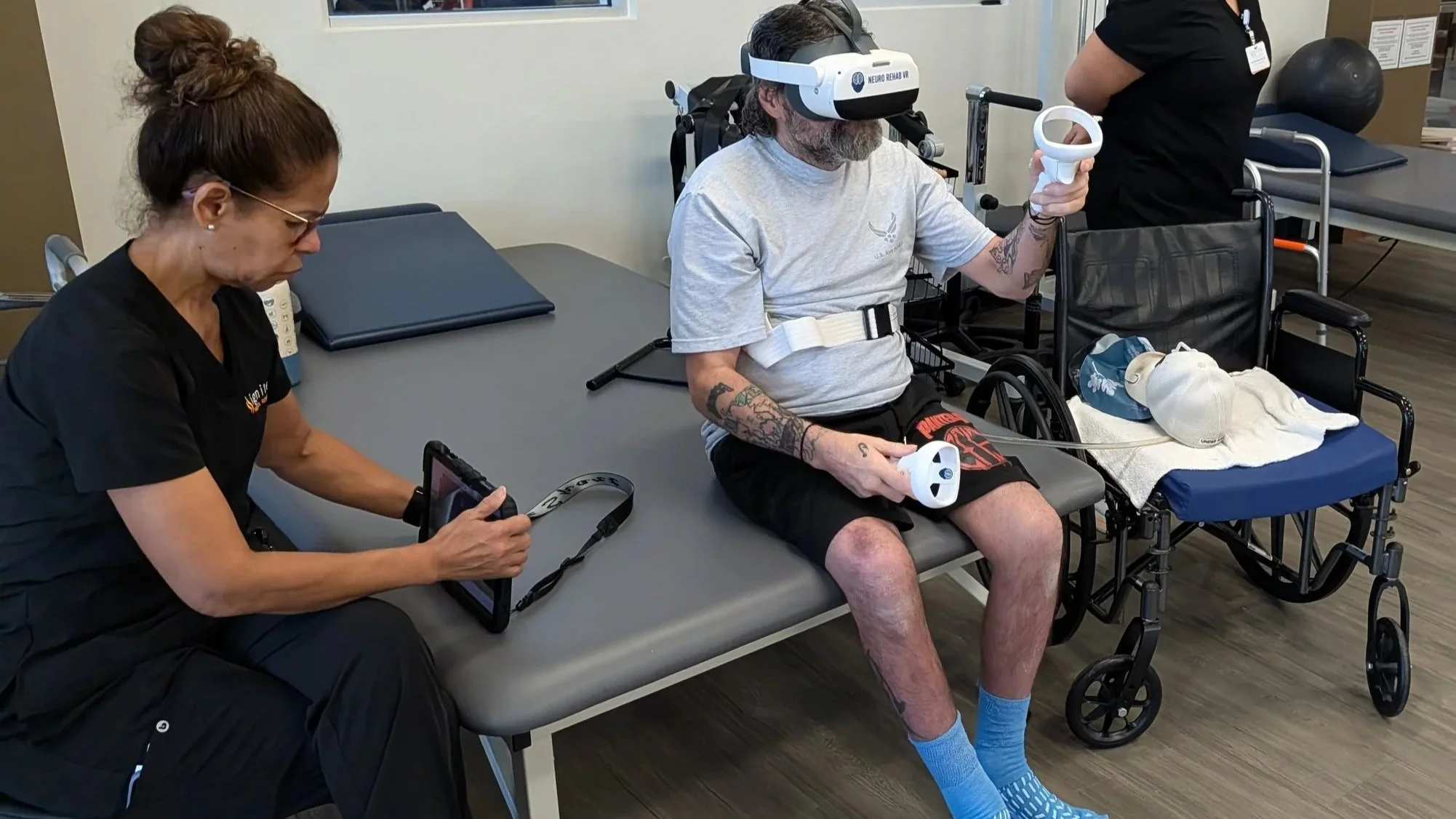
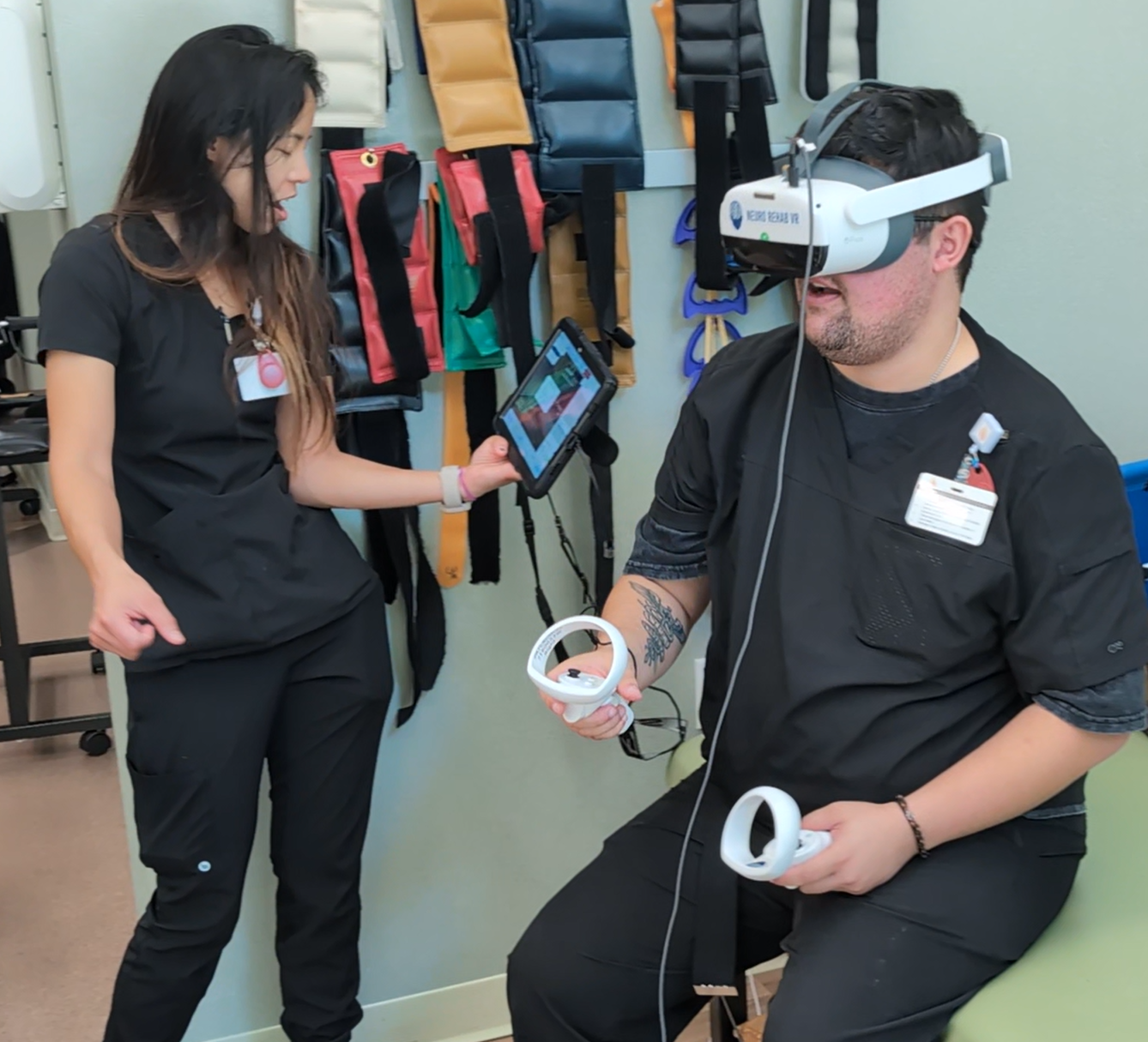
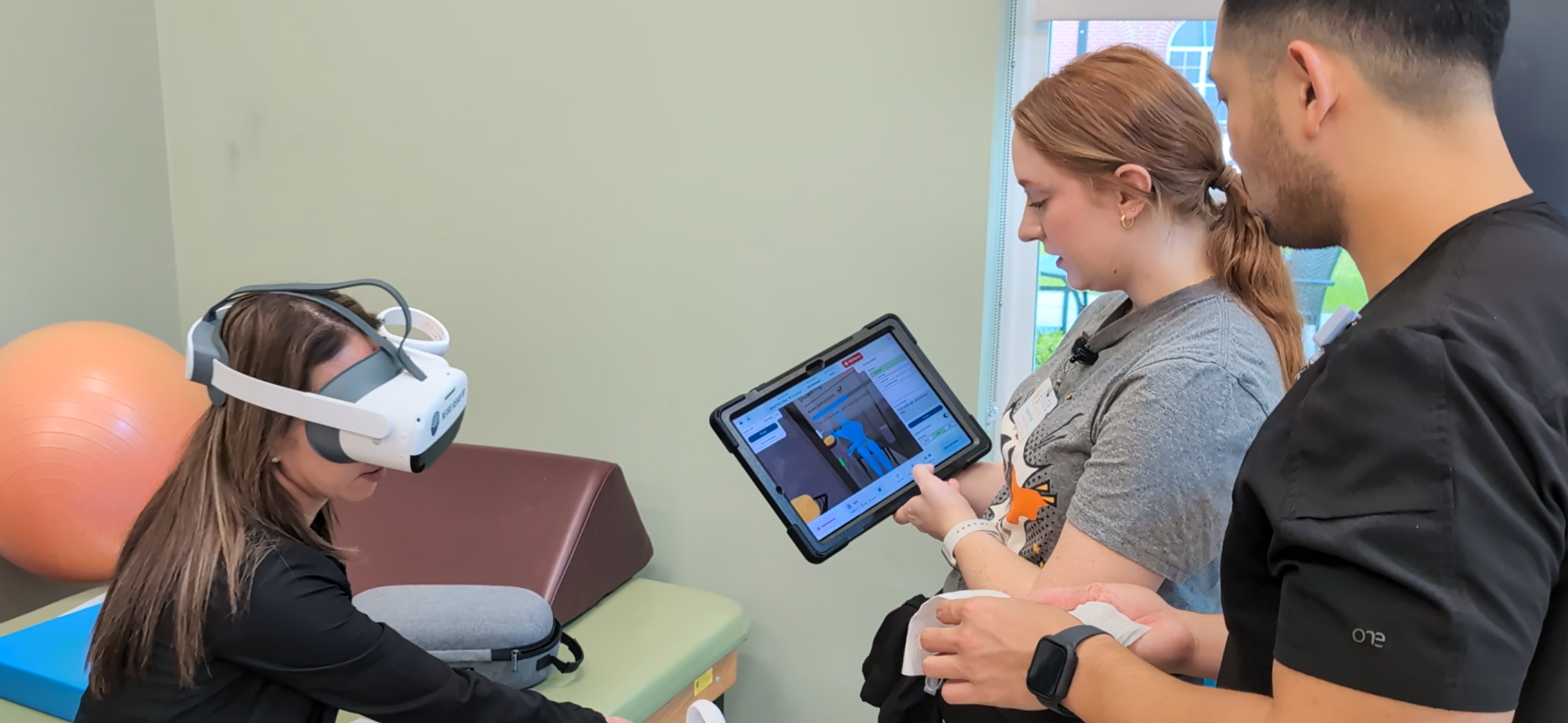
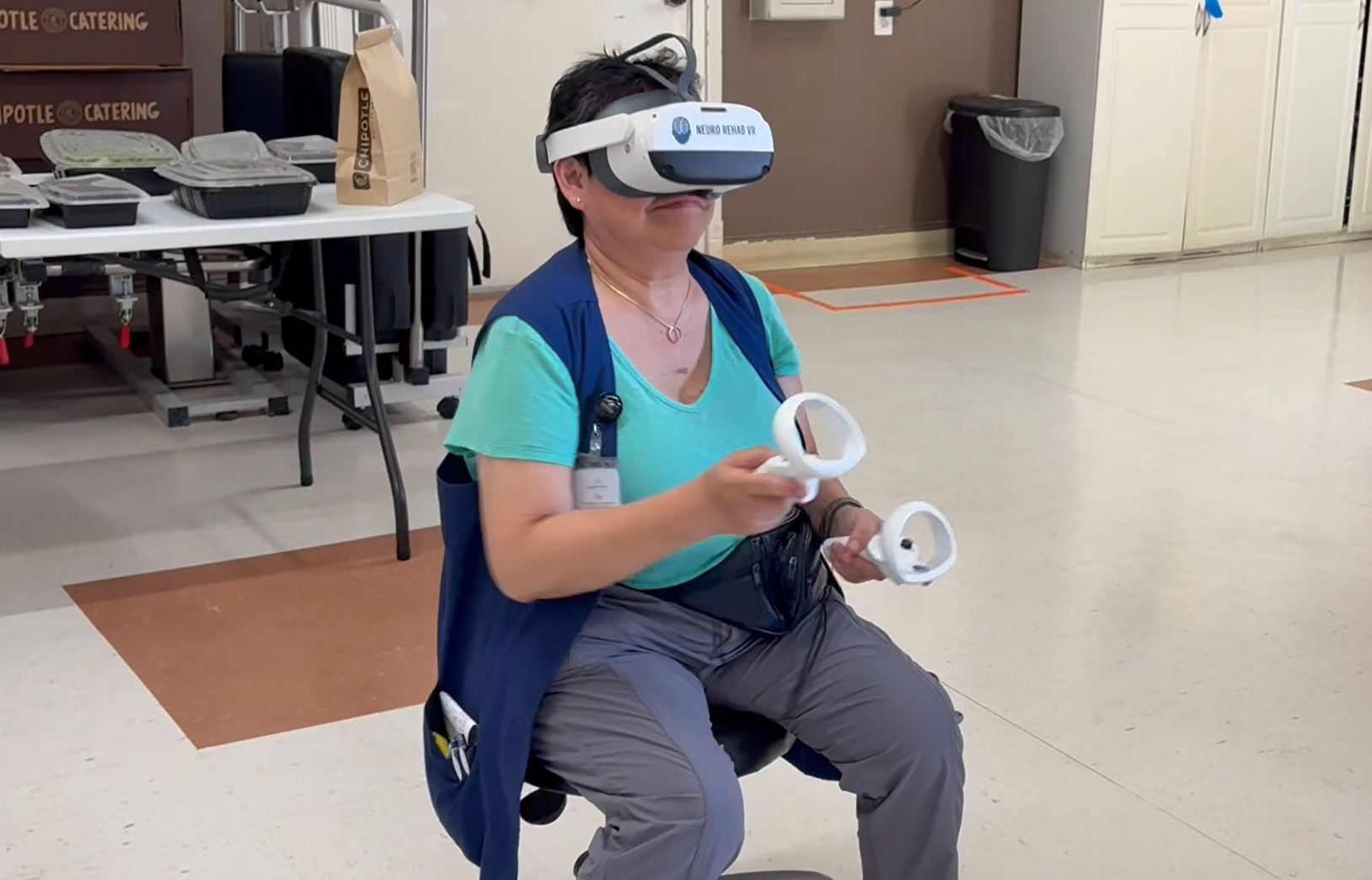
The Smart Therapy™ Complete Solution can help therapists rehearse daily-life tasks in the weeks leading up to the break, in a controlled clinical setting with the therapist right there to guide and adjust. Its Life Simulator is a suite of immersive ADL scenarios that lets patients practice balance and movement through everyday tasks such as laundry. The wider platform supports practice with walking, reaching, grasping, and activities of daily living, so some of the skills behind a holiday kitchen, a crowded table, or a guest bathroom can be built and repeated before the patient faces them at home. Patients can work seated or standing, which lets a patient who is still building standing tolerance start with the same task as a patient who is ready for a greater balance challenge.
Because the therapist controls the experience from the tablet and can adjust intensity in real time, each session can stay at a level that is challenging but still doable for that patient. That is the same right level of challenge a good home program aims to keep in place during the break. A single therapist can run the session, and any clinic tablet can control any headset assigned to the clinic, which can make pre-break sessions easier to schedule when staffing shifts around holiday time off. Eye tracking adds another window into how a patient attends to a busy scene, which can help inform how much visual activity a patient may be ready for at a family gathering.
In the first week back, the therapist can run the same immersive activity at the same difficulty used before the break and compare the results through the platform's connected analytics, and AI-generated SOAP notes can help document that comparison. Immersive practice works best alongside the real-world rehearsals described above, such as practicing with the patient's own holiday shoes or their family's car. The therapist's judgment stays at the center of deciding which tasks matter most to each patient and how to grade them along the way.
Helping Patients Enjoy the Season They Worked So Hard For
For many patients, being able to stir the gravy, wrap a grandchild's present, or walk into a relative's home without fear is the clearest proof that therapy is working, and the holidays offer a rare chance to see those gains show up in the places that matter most. A short, realistic home program, a handful of ADL activities chosen with the patient, a travel plan that respects their energy, and a thoughtful check-in when they return can turn a predictable gap in the schedule into a stretch of meaningful practice.
Therapists deserve rest during the holidays too, and a well-built plan lets them step away knowing their patients have what they need. From all of us at Neuromersive, thank you to the PTs, OTs, assistants, and rehabilitation teams who help patients get back to the people and traditions they love, and we hope this season brings you and your patients plenty of good moments to celebrate.
-
American Psychiatric Association. “Americans Are More Anxious Than Last Year About the Upcoming Holidays; Health Care and the Economy.” Psychiatry.Org, 2025, www.psychiatry.org/News-room/News-Releases/Americans-More-Anxious-About-the-Holidays. Accessed 24 Nov. 2026.
American Psychological Association. “Instrumental Activities of Daily Living Scale.” Https://Www.Apa.Org, June 2020, www.apa.org/pi/about/publications/caregivers/practice-settings/assessment/tools/daily-activities. Accessed 24 Nov. 2026.
CDC. Check for Safety a Home Fall Prevention Checklist for Older Adults. 2017.
Centers for Disease Control and Prevention. “Facts About Falls.” Older Adult Fall Prevention, 2024, www.cdc.gov/falls/data-research/facts-stats/index.html. Accessed 24 Nov. 2026.
CDC. “Nonfatal Bathroom Injuries Among Persons Aged ≥15 Years --- United States, 2008.” Www.Cdc.Gov, 10 June 2011, www.cdc.gov/mmwr/preview/mmwrhtml/mm6022a1.htm. Accessed 24 Nov. 2026.
Centers for Disease Control and Prevention. STEADI Pocket Guide: Preventing Falls in Older Patients. https://www.cdc.gov/steadi/media/pdfs/steadi-pocketguide-508.pdf.
Centers for Disease Control and Prevention. "Understanding Your Risk for Blood Clots with Travel." Venous Thromboembolism (Blood Clots), 15 May 2024, https://www.cdc.gov/blood-clots/risk-factors/travel.html.
Centers for Disease Control and Prevention. “Older Adult Falls Data.” Older Adult Fall Prevention, 28 Oct. 2024, www.cdc.gov/falls/data-research/index.html. Accessed 24 Nov. 2026.
Centers for Disease Control and Prevention. "Traveling Abroad with Medicine." Travelers' Health, https://wwwnc.cdc.gov/travel/page/travel-abroad-with-medicine.
Essery, Rosie, et al. “Predictors of Adherence to Home-Based Physical Therapies: A Systematic Review.” Disability and Rehabilitation, vol. 39, no. 6, 21 Apr. 2016, pp. 519–534, www.tandfonline.com/doi/abs/10.3109/09638288.2016.1153160, 10.3109/09638288.2016.1153160. Accessed 24 Nov. 2026.
French, Beverley, et al. “Repetitive Task Training for Improving Functional Ability After Stroke.” Cochrane Database of Systematic Reviews, vol. 11, no. 11, 2016, pubmed.ncbi.nlm.nih.gov/27841442/, 10.1002/14651858.cd006073.pub3. Accessed 24 Nov. 2026.
Gardner, Benjamin, et al. “Making Health Habitual: The Psychology of ‘Habit-Formation’ and General Practice.” British Journal of General Practice, vol. 62, no. 605, Dec. 2012, pp. 664–666, 10.3399/bjgp12x659466.
Harris, Jocelyn E., et al. “A Self-Administered Graded Repetitive Arm Supplementary Program (GRASP) Improves Arm Function During Inpatient Stroke Rehabilitation.” Stroke, vol. 40, no. 6, June 2009, pp. 2123–2128, 10.1161/strokeaha.108.544585.
Kalapotharakos, Vasilios I., et al. “The Effect of Moderate Resistance Strength Training and Detraining on Muscle Strength and Power in Older Men.” Journal of Geriatric Physical Therapy, vol. 30, no. 3, Dec. 2007, pp. 109–113, 10.1519/00139143-200712000-00005.
Kd, Henry. “Effect of Number of Home Exercises on Compliance and Performance in Adults Over 65 Years of Age.” PEDro, Mar. 1999, search.pedro.org.au/search-results/record-detail/1880. Accessed 24 Nov. 2026.
Kladko, Brian. “Homework Is the Best Medicine - UBC Reports.” News.Ubc.Ca, 7 May 2009, archive.news.ubc.ca/ubcreports/2009/09may07/homework.html. Accessed 24 Nov. 2026.
Lally, Phillippa, et al. “How Are Habits Formed: Modelling Habit Formation in the Real World.” European Journal of Social Psychology, vol. 40, no. 6, 16 July 2010, pp. 998–1009, 10.1002/ejsp.674.
Lawton, M. P., and E. M. Brody. “Assessment of Older People: Self-Maintaining and Instrumental Activities of Daily Living.” The Gerontologist, vol. 9, no. 3, 1969, pp. 179–186, pubmed.ncbi.nlm.nih.gov/5349366/. Accessed 24 Nov. 2026.
Legg, Lynn A, et al. “Occupational Therapy for Adults With Problems in Activities of Daily Living After Stroke.” Cochrane Database of Systematic Reviews, vol. 7, no. 7, 19 July 2017, www.cochranelibrary.com/cdsr/doi/10.1002/14651858.CD003585.pub3/full, 10.1002/14651858.cd003585.pub3. Accessed 24 Nov. 2026.
Mathiowetz, Virgil G, et al. “Randomized Controlled Trial of an Energy Conservation Course for Persons With Multiple Sclerosis.” Multiple Sclerosis Journal, vol. 11, no. 5, Oct. 2005, pp. 592–601, www.proquest.com/docview/218798581, 10.1191/1352458505ms1198oa. Accessed 24 Nov. 2026.
Peek, Kerry, et al. “Interventions to Aid Patient Adherence to Physiotherapist Prescribed Self-Management Strategies: A Systematic Review.” Physiotherapy, vol. 102, no. 2, 1 June 2016, pp. 127–135, www.sciencedirect.com/science/article/pii/S0031940615038250, 10.1016/j.physio.2015.10.003. Accessed 24 Nov. 2026.
Stratford, P. “Assessing Disability and Change on Individual Patients: A Report of a Patient Specific Measure.” Physiotherapy Canada, vol. 47, no. 4, Oct. 1995, pp. 258–263, resref.com/database/orthopedics-and-physical-medici/patient-specific-functional-scale-psfs-guide, 10.3138/ptc.47.4.258. Accessed 24 Nov. 2026.
Transportation Security Administration. “I Need Special Assistance During Screening, Whom Can I Contact Before Arriving to the Airport?” TSA, www.tsa.gov/travel/frequently-asked-questions/i-need-special-assistance-during-screening-whom-can-i-contact. Accessed 24 Nov. 2026.
U.S. Consumer Product Safety Commission. “Happy Holidays Start With Safety: CPSC Urges Families to Cook, Decorate and Select Toys With Care This Season.” U.S. Consumer Product Safety Commission, 2024, www.cpsc.gov/Newsroom/News-Releases/2025/Happy-Holidays-Start-with-Safety-CPSC-Urges-Families-to-Cook-Decorate-and-Select-Toys-with-Care-This-Season. Accessed 24 Nov. 2026.
U.S. Department of Homeland Security Transportation Security Administration. “Travel Tips.” Transportation Security Administration (TSA), www.tsa.gov/travel/travel-tips. Accessed 24 Nov. 2026.
U.S. Department of Transportation. “General Travel Tips for Persons With Disabilities | US Department of Transportation.” Transportation.Gov, 2025, www.transportation.gov/individuals/aviation-consumer-protection/general-travel-tips-persons-disabilities. Accessed 24 Nov. 2026.
---. “Traveling With a Disability | US Department of Transportation.” Www.Transportation.Gov, www.transportation.gov/individuals/aviation-consumer-protection/traveling-disability. Accessed 24 Nov. 2026.
U.S. Department of Veterans Affairs. “Geriatrics and Extended Care | Telehealth.” Www.Va.Gov, www.va.gov/GERIATRICS/pages/Telehealth.asp. Accessed 24 Nov. 2026.
U.S. Department of Veterans Affairs. "VA Fargo Telehealth." VA Fargo Health Care, https://www.va.gov/fargo-health-care/programs/patient-care-services/connected-care/va-fargo-telehealth/.
Vloothuis, Judith DM, et al. “Caregiver-Mediated Exercises for Improving Outcomes After Stroke.” Cochrane Database of Systematic Reviews, vol. 2016, no. 12, 21 Dec. 2016, www.cochranelibrary.com/cdsr/doi/10.1002/14651858.CD011058.pub2/full, 10.1002/14651858.cd011058.pub2. Accessed 24 Nov. 2026.
Wollenberg, Robert. “Real-Time Access to Your VA Care Team Through VA Video Connect.” Veterans Affairs, Feb. 2023, www.va.gov/iron-mountain-health-care/stories/real-time-access-to-your-va-care-team-through-va-video-connect/. Accessed 24 Nov. 2026.