
Supporting Better Care Through Smarter Productivity
Written by: Brianna Hodge
You don’t walk into the clinic thinking about productivity metrics. You walk in thinking about people. You think about the patient who struggled with stairs last visit and whether today is the day something finally clicks. You think about the stroke survivor whose balance hasn’t improved as quickly as either of you hoped, or the older adult who admitted they’re afraid to walk outside alone. These are the thoughts that guide you into treatment rooms. Productivity metrics, on the other hand, tend to hover quietly in the background, rarely acknowledged directly, yet constantly shaping the conditions under which care happens.
What makes productivity metrics so powerful is not their visibility, but their subtlety. They do not demand unethical decisions. They do not explicitly instruct you to rush or cut corners. Instead, they quietly influence how much time you feel permitted to spend thinking, reassessing, explaining, and adjusting. Over time, these pressures do not simply change schedules or documentation habits. They reshape clinical decision-making itself, often without clinicians realizing it is happening.
This blog is not about blaming therapists, administrators, or healthcare systems. It is about naming something many clinicians feel but rarely have space to examine: how productivity metrics, when treated as proxies for quality, slowly redefine what “good care” looks like.
When Productivity Becomes a Stand-In for Quality
In many outpatient physical therapy environments, productivity has become shorthand for value. Higher visit counts, tighter schedules, and increased billable units are often assumed to represent effectiveness. The logic seems intuitive: if more patients are being seen, more care must be delivered. Yet emerging evidence challenges this assumption in a meaningful way.
A nationally representative outpatient physical therapy study presented at the American Physical Therapy Association’s Combined Sections Meeting examined the relationship between clinician productivity and patient outcomes. The findings were striking. Increased productivity was not associated with improved patient outcomes (Lutz et al.). Patients did not demonstrate better functional gains, faster recovery, or higher satisfaction simply because clinicians were more productive.
This matters because productivity benchmarks continue to shape operational decisions across rehabilitation settings. Staffing ratios, scheduling models, and performance evaluations often revolve around metrics that are easy to measure but limited in meaning. When higher productivity fails to correlate with better outcomes, it raises a fundamental question: what are these numbers actually capturing?
For clinicians, this disconnect often creates a quiet tension. You may be meeting productivity expectations while sensing that something essential is being sacrificed, depth, connection, or clinical nuance. Over time, this tension becomes normalized. The metric is met, but the care feels thinner.
The Gradual Compression of Clinical Reasoning
Clinical decision-making is not a single moment; it is an ongoing process that unfolds throughout a session. It requires observation, hypothesis testing, reassessment, and patient education. When productivity demands increase, time becomes compressed, and with it, the space for thoughtful reasoning.
An essay published by Thomas Jefferson University explores how high productivity demands negatively impact patient quality of care. The authors describe how pressure to maintain throughput reduces opportunities for individualized treatment, thoughtful reassessment, and patient-centered communication (Sass). In these environments, clinicians are not failing to reason, they are being asked to reason faster than the complexity of care allows.
Under sustained productivity pressure, therapists adapt in predictable ways. They rely more heavily on familiar interventions. They reduce variability. They limit reassessments that feel “optional,” even when those reassessments would meaningfully inform care. These changes are rarely conscious or malicious. They are survival strategies in systems that reward speed and penalize pause.
Over time, this compression narrows the scope of clinical reasoning. Decision-making shifts from exploratory to transactional. Instead of asking, What does this patient need today? the question subtly becomes, What can I do within this time frame?
Clinical Decisions Are Shaped by Context, Not Just Patients
One of the most important insights from rehabilitation research is that clinical decision-making does not occur in isolation. A foundational study examining factors that influence physical therapists’ choice of balance assessment tools found that decisions are shaped not only by patient presentation, but by contextual factors such as time constraints, environmental demands, and institutional expectations (McGinnis et al.).
This finding is critical because balance, gait, and functional mobility are inherently multifactorial. Comprehensive assessment requires attention to sensory integration, motor control, cognition, and confidence. When time is constrained, therapists may gravitate toward tools that are quicker to administer or easier to score, even if they provide less comprehensive insight.
These decisions are understandable. They are not evidence of poor judgment, but of constrained capacity. However, when these constraints persist, they shape practice patterns. Subtle impairments may be overlooked, treatment plans may become more standardized, and clinical nuance may be sacrificed for efficiency. Over months and years, these small compromises accumulate, altering the character of care itself.
The Productivity Percentage Illusion
Despite productivity’s central role in shaping practice, there is no consensus on what a “correct” productivity percentage should be. Industry discussions often cite targets ranging from 75% to 90%, depending on setting and payer mix. Yet these benchmarks are largely operational rather than evidence-based (DrOracle AI). They are designed to optimize scheduling efficiency and revenue flow, not to reflect the cognitive and relational complexity of rehabilitation care.
What is rarely acknowledged is how these targets influence clinician behavior. When productivity becomes the dominant measure of success, therapists may shorten evaluations, reduce patient education, or limit treatment variability to maintain acceptable numbers. Over time, professional autonomy erodes. Clinicians may begin to feel less like decision-makers and more like throughput managers.
This erosion does not happen suddenly. It happens through repeated micro-decisions made under pressure, until the way you practice no longer fully aligns with your values.
A Warning the Profession Has Heard Before
Concerns about productivity are not new. An evaluation of productivity among physical therapists published decades ago offered a warning that remains deeply relevant. The authors noted that “high productivity at the expense of technical competence or human concern is not a goal worthy of praise,” while also emphasizing that productivity and quality do not have to be mutually exclusive (Bohannon).
This statement is important because it reframes the conversation. Productivity itself is not inherently harmful. The danger arises when productivity becomes the primary lens through which clinical value is judged, without safeguards to protect technical rigor and human connection. When metrics dominate without context, they risk incentivizing practices that undermine the very purpose of rehabilitation.
Tele-Physical Therapy and the Myth of Efficiency
SThe expansion of tele-physical therapy has added another layer to the productivity conversation. Research examining work productivity among therapists providing telehealth services found that while virtual care can improve scheduling efficiency and reduce cancellations, it also increases cognitive demands, verbal cueing requirements, and documentation complexity (Arwa and Chaikumarn).
On paper, productivity may appear improved. In practice, therapists often report increased mental fatigue. Tele-PT requires heightened attention to communication, safety monitoring, and patient comprehension, all while managing technology. Productivity metrics rarely account for this cognitive workload, even though cognitive strain directly affects clinical judgment and long-term sustainability.
This disconnect exposes a flaw in many productivity models: they measure output without acknowledging mental effort. When cognitive load is ignored, efficiency gains may come at the expense of clinician well-being and decision quality.
The Emotional Cost of Metric-Driven Care
When productivity metrics quietly guide clinical decisions, the emotional toll on clinicians becomes unavoidable. Many therapists experience moral distress when they are unable to provide the depth of care they believe patients deserve. This misalignment between professional values and institutional expectations is a well-documented contributor to burnout.
Burnout does not begin with exhaustion. It begins with erosion, of autonomy, of meaning, of the sense that your judgment matters. Over time, clinicians may disengage not because they care less, but because caring deeply in a constrained system becomes unsustainable.
How Modern Technology Is Beginning to Shift the Balance
For years, technology in rehabilitation promised efficiency but often delivered additional burden. Documentation systems pulled therapists away from patients, fragmented workflows, and turned clinical reasoning into an after-hours task. Many clinicians understandably became skeptical of tools that claimed to improve productivity while quietly increasing cognitive load.
What is changing now is not just the technology itself, but how it is designed. Modern rehabilitation technologies are increasingly focused on integrating into the flow of care rather than interrupting it. Instead of requiring therapists to reconstruct sessions after the fact, newer systems capture meaningful clinical data during therapeutic activity. Instead of demanding constant micromanagement, they support structured, goal-driven engagement that allows therapists to observe, assess, and adapt in real time.
This shift matters because productivity pressure is not solely about time—it is about mental bandwidth. When therapists are expected to treat, cue, document, and analyze simultaneously, decision-making suffers. Technology that reduces this burden does more than save minutes; it preserves the clinician’s ability to think clearly, intentionally, and ethically.
The Smart Therapy™ Complete Solution and the Protection of Clinical Judgment
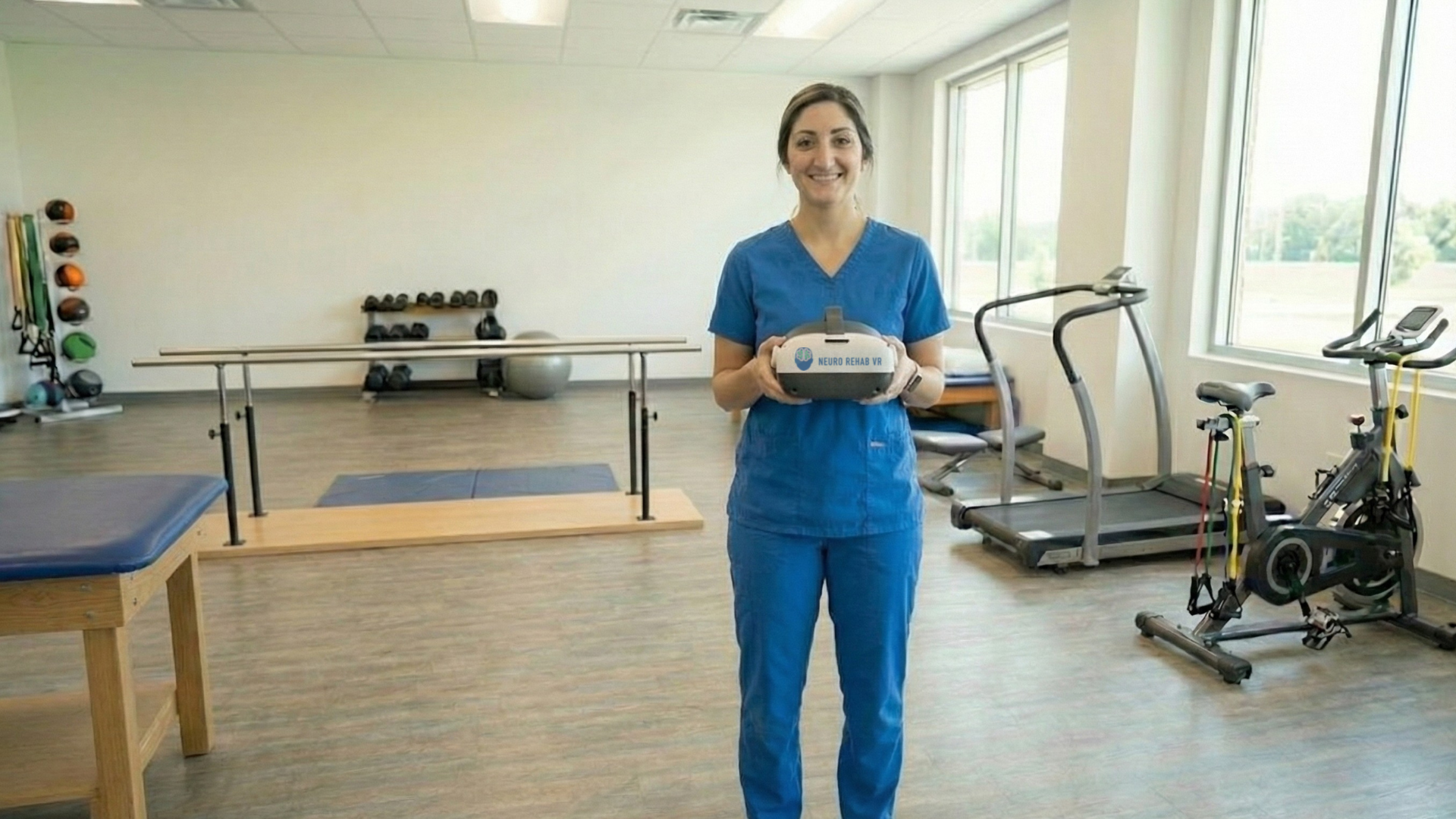
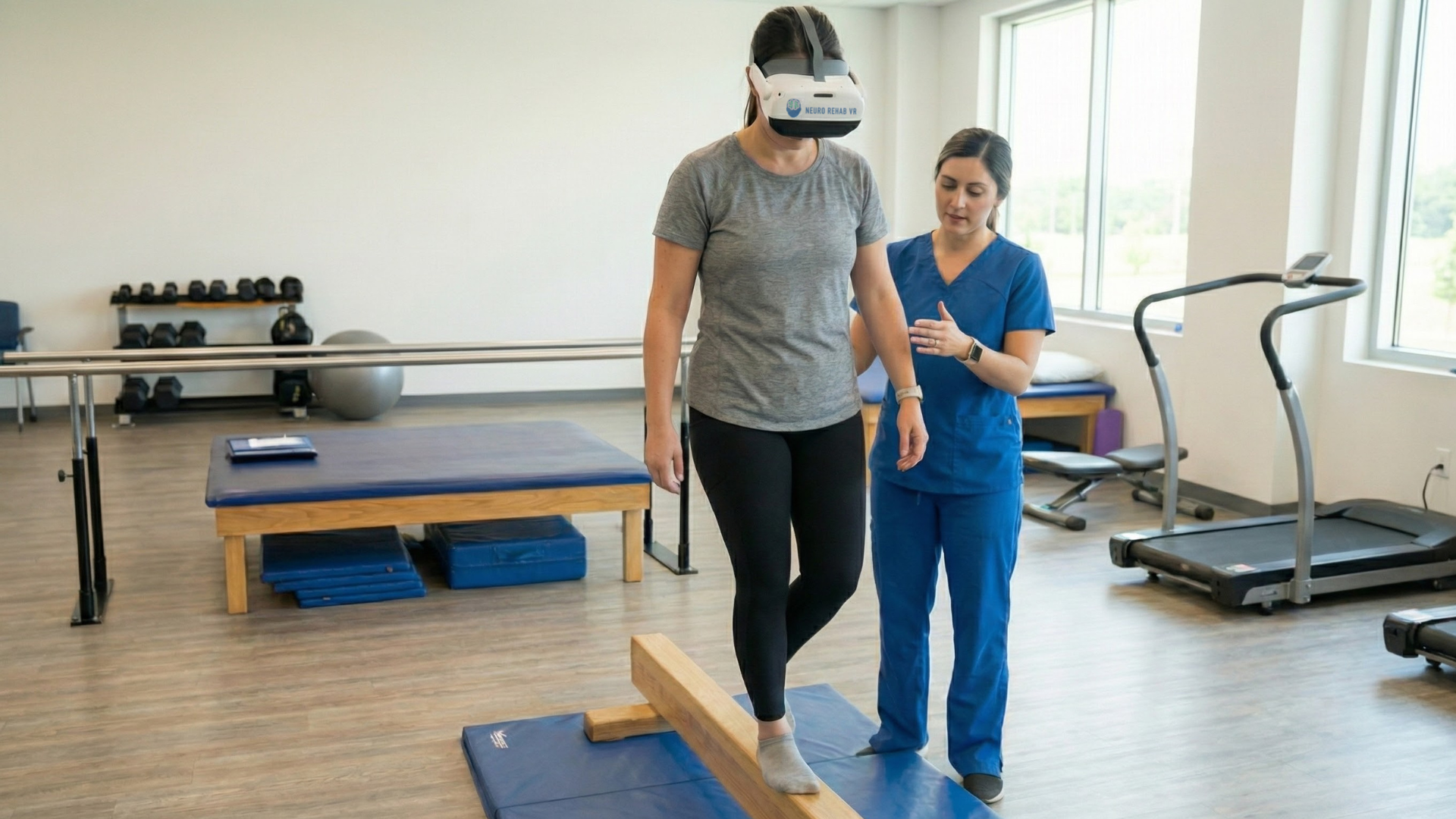
Within this evolving landscape, the Smart Therapy™ Complete Solution offered by Neuro Rehab VR reflects a deliberate response to the realities clinicians face. Rather than positioning productivity as the primary goal, the system is designed to protect clinical judgment within modern constraints.
By embedding real-time clinical data capture into therapy sessions, the system reduces reliance on retrospective documentation. Therapists can remain present with patients while still generating accurate, compliant records. This supports clearer decision-making and reduces the cognitive fatigue that often follows a full day of care.
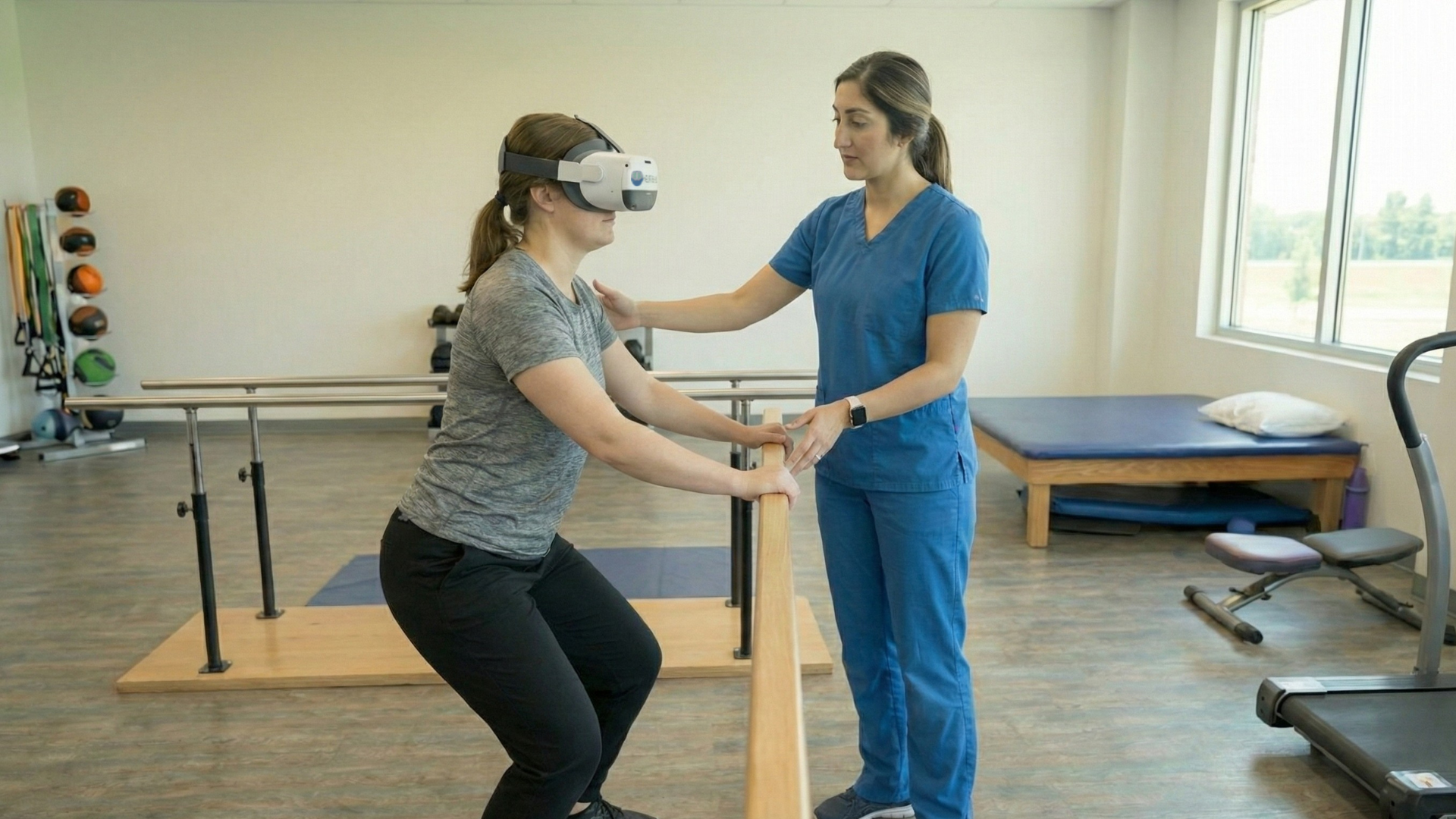
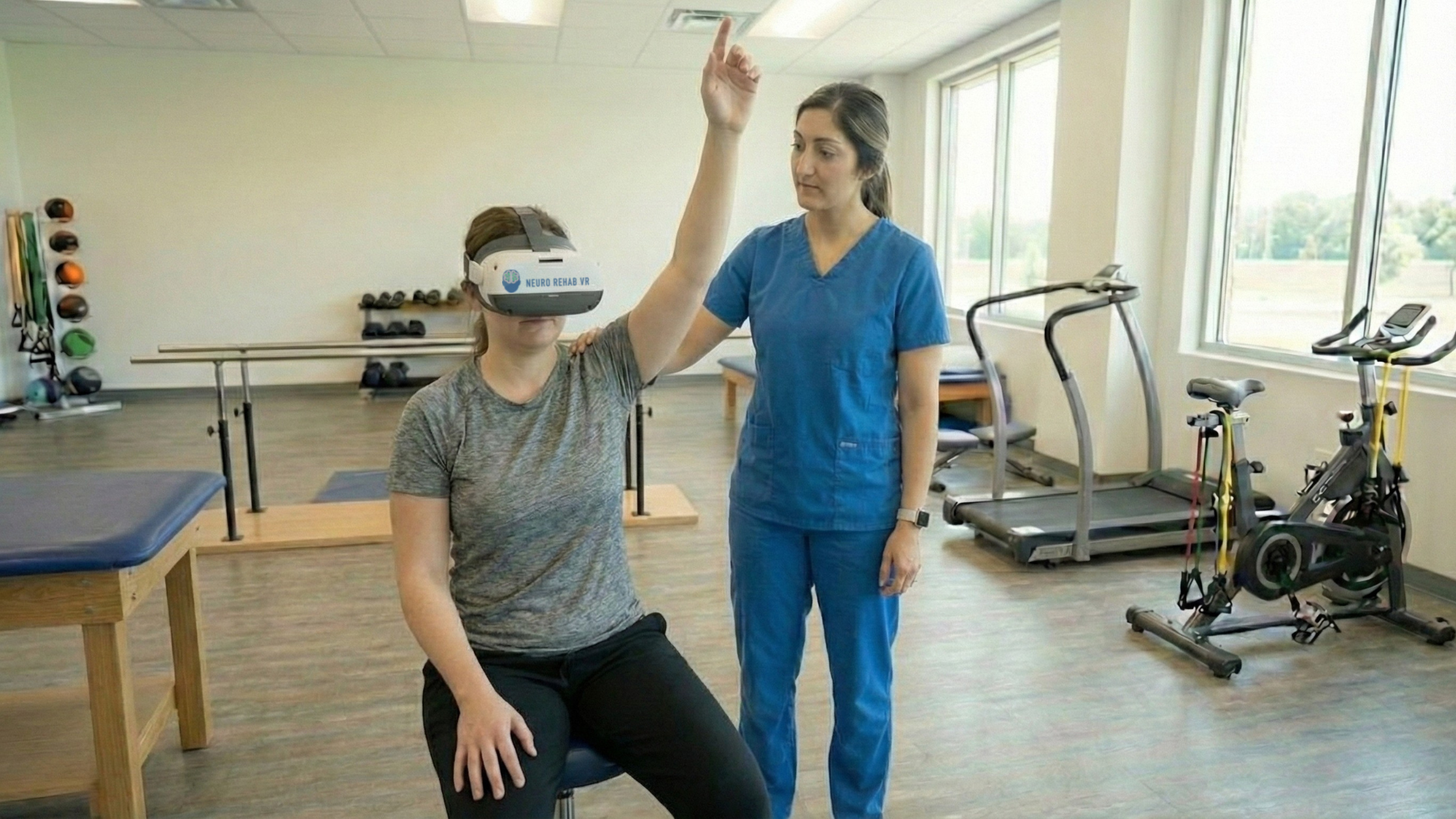
Immersive, goal-driven therapy experiences further reduce the need for constant therapist micromanagement. When patients are meaningfully engaged, therapists gain the cognitive space to observe movement quality, assess response, and adjust interventions thoughtfully. This directly counters the narrowing of clinical reasoning that often accompanies high productivity pressure.
Importantly, this approach reframes efficiency as a byproduct of good care rather than its driver. Documentation becomes less burdensome, sessions become more intentional, and therapists are less likely to experience the moral distress associated with rushed or incomplete care.
Reframing Productivity for the Future of Physical Therapy
The question is not whether productivity metrics should exist, but how they are used. Productivity should inform operations without dictating clinical decisions. Sustainable care models recognize that quality, engagement, and outcomes cannot be reduced to percentages alone.
Before the next productivity report arrives, it is worth asking whether the metric supports better care or simply faster care. The answer to that question will shape not only individual practice, but the future of the profession itself.
-
Arwa, Munaza, and Montakarn Chaikumarn. “Work Productivity of Physical Therapists Providing Tele-Physical Therapy.” Journal of Musculoskeletal Surgery and Research, vol. 9, 6 Sept. 2025, pp. 475–481, journalmsr.com/work-productivity-of-physical-therapists-providing-tele-physical-therapy/, https://doi.org/10.25259/jmsr_215_2025.
Bohannon, Richard . “Productivity among Physical Therapists an Evaluation of One Department.” Researchgate, 1984, www.researchgate.net/publication/16733421_Productivity_Among_Physical_Therapists_An_Evaluation_of_One_Department.
Lutz, Adam D, et al. “Clinician Productivity Unrelated to Patient Outcomes in Nationally Representative, Outpatient Physical Therapy Sample.” APTA - 2024 Combined Sections Meeting (CSM), APTA, 17 Feb. 2024, apta.confex.com/apta/csm2024/meetingapp.cgi/Paper/42845. Accessed 20 Jan. 2026.
McGinnis, Patricia Q, et al. “Factors That Influence the Clinical Decision Making of Physical Therapists in Choosing a Balance Assessment Approach.” Physical Therapy, vol. 89, no. 3, 1 Mar. 2009, pp. 233–247, https://doi.org/10.2522/ptj.20080131. Accessed 23 Jan. 2020.
Sass, Jeffrey . “Essay: High Productivity Demands Negatively Impact Patient Quality of Care.” Jefferson.edu, 28 May 2020, www.jefferson.edu/news/2020/05/essay-high-productivity-demands-negatively-impact-patient-quality-of-care.html.
“What Is the Recommended Productivity Percentage for Physical Therapists (PTs)?” Droracle.ai, 27 Sept. 2025, www.droracle.ai/articles/365461/what-is-the-recommended-productivity-percentage-for-physical-therapists. Accessed 20 Jan. 2026.