Relearning Everyday Life After a Stroke using Smart Therapy
Written by: Brianna Hodge
Every May during American Stroke Awareness Month, conversations across healthcare often focus on prevention, warning signs, and emergency response. Those conversations are incredibly important because recognizing stroke symptoms early can save lives and reduce long-term disability. However, what is often left out of those discussions is the reality patients face after they leave the hospital and begin the long process of recovery.
For many stroke survivors, rehabilitation becomes one of the most physically and emotionally demanding experiences of their lives. Tasks that once felt automatic suddenly require concentration and effort. Walking through a hallway, standing in the shower, carrying groceries, turning around too quickly, or reaching into a cabinet can become frustrating reminders that their body no longer responds the way it once did. Beyond the physical limitations, many patients struggle with the emotional impact of losing confidence in themselves and their ability to safely navigate daily life.
If you work in rehabilitation, you have likely seen this happen countless times. You see patients become discouraged during sessions when progress feels slow. You see hesitation before movement. You notice when someone mentally checks out because therapy begins feeling repetitive or exhausting. Stroke recovery requires far more than strength training or mobility exercises alone. It requires motivation, consistency, trust, cognitive engagement, emotional support, and repetition performed over long periods of time.
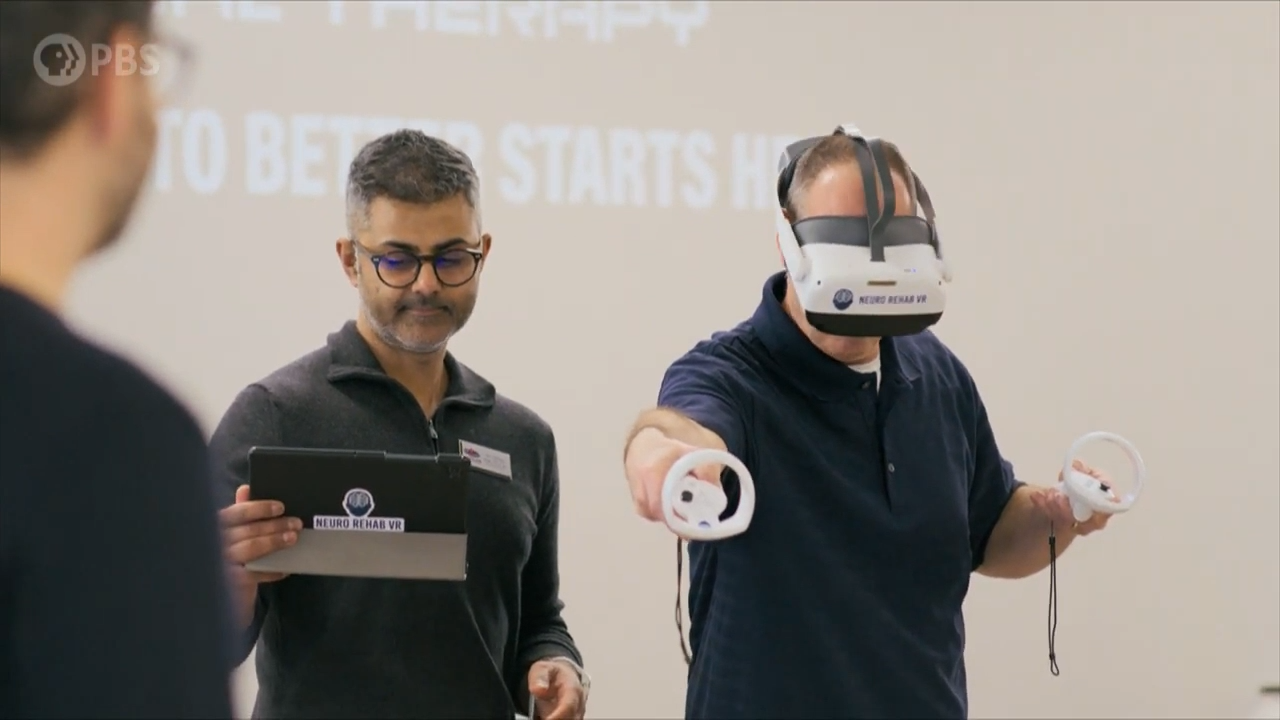
This is one reason immersive rehabilitation technologies and virtual reality-based therapy systems have continued gaining attention within neurological rehabilitation research. Clinicians are constantly searching for ways to help patients stay engaged throughout recovery while still addressing meaningful therapeutic goals. Over the last several years, multiple systematic reviews and meta-analyses have examined how virtual reality-based interventions may support stroke recovery when integrated alongside traditional rehabilitation programs. Researchers have reported potential improvements in upper extremity function, motor recovery, balance, executive functioning, and patient participation, particularly when therapy environments encourage active and repetitive movement in meaningful contexts.(Kenea et al.)
The Emotional Side of Stroke Recovery Is Often Overlooked
One of the most difficult parts of stroke rehabilitation is that recovery rarely impacts only one area of a person’s life. A stroke can affect mobility, coordination, cognition, endurance, vision, speech, attention, and emotional regulation simultaneously. Even after patients regain movement, many continue struggling with fear, frustration, or anxiety surrounding activities that once felt simple.
Many stroke survivors begin avoiding environments or tasks they no longer trust themselves to handle safely. Crowded stores, uneven surfaces, stairs, multitasking, or fast-paced environments may suddenly feel overwhelming. In some cases, patients become socially withdrawn because they are embarrassed by the changes they are experiencing. Therapists often see this frustration appear long before patients openly discuss it.
One patient our team worked alongside demonstrated this clearly throughout his recovery process. Prior to his stroke, he had been highly independent and active within his family. He handled errands on his own, worked on projects around the house regularly, and rarely needed assistance from others. After the stroke, his balance and endurance declined significantly, but what impacted him most was the emotional frustration that came with feeling disconnected from his normal routine.
During early rehabilitation sessions, he often became mentally fatigued before the physical exercises were even complete. Traditional therapy exercises sometimes felt repetitive to him, and there were days when he seemed emotionally withdrawn during treatment. His therapists recognized that while he still needed repetition and task-specific practice, he also needed activities that felt meaningful enough to keep him engaged throughout the session.
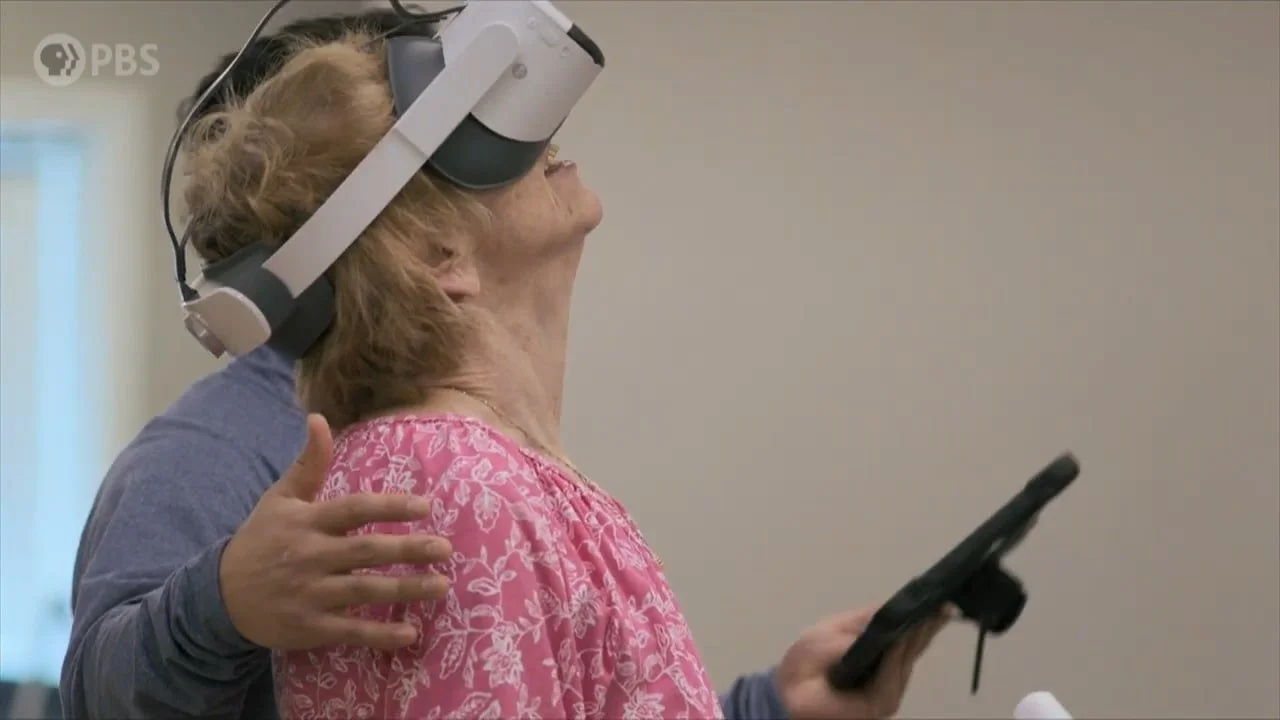
Over time, portions of his therapy began incorporating more immersive and functional rehabilitation activities that challenged balance, movement, visual scanning, coordination, and attention simultaneously. Rather than focusing only on isolated exercises, sessions became more connected to real-world movement demands and functional scenarios. His therapists noticed that he became more willing to participate longer, challenge himself more consistently, and remain mentally involved during therapy sessions.
What stood out most was not a dramatic overnight transformation, but the gradual return of confidence during movement. He started attempting tasks with less hesitation, and he became more comfortable navigating activities that previously caused frustration. At one point during therapy, after completing a session involving dynamic reaching and movement activities, he commented that it felt closer to something he would actually do in everyday life. For his therapy team, that response carried significant meaning because it reflected something deeper than physical repetition alone. It showed that he was beginning to reconnect therapy with life outside of the clinic.
Research Continues Exploring How Smart Therapy Supports Motor Recovery
Stroke rehabilitation depends heavily on repetition because neuroplasticity requires the brain to repeatedly practice movements and tasks in order to strengthen neural pathways. Therapists work continuously on improving gait, balance, coordination, strength, postural control, endurance, upper extremity function, cognition, and dual-task performance through structured intervention plans.
However, one of the greatest challenges clinicians face is maintaining patient engagement throughout this process. Stroke recovery often extends over weeks, months, or even years, and repetitive movement can become mentally exhausting for patients over time. This is especially true for individuals who are already dealing with frustration, anxiety, or emotional fatigue related to recovery.
According to the Centers for Disease Control and Prevention, stroke remains one of the leading causes of long-term disability in the United States, affecting nearly 800,000 individuals each year. Because of this, rehabilitation professionals continue exploring methods that may improve participation and therapy adherence while still maintaining clinical effectiveness.
One of the most widely referenced studies surrounding this topic is the systematic review conducted by Kate E. Laver and colleagues, which examined virtual reality interventions across stroke rehabilitation settings. The review found that virtual reality and interactive gaming approaches may provide benefits when combined with standard therapy, particularly in areas involving upper limb function and overall therapy participation. The researchers also emphasized that virtual reality appears most effective when it supplements conventional rehabilitation rather than replacing therapist-guided care entirely. (Laver et al.)
More recent research has continued exploring how different forms of virtual reality may influence both motor and cognitive recovery after stroke. Davide Cardile and colleagues reviewed how immersive and non-immersive modalities may affect executive functioning and motor rehabilitation differently depending on the patient population and therapy structure being used. Their findings suggest that virtual reality environments may offer additional benefits when rehabilitation activities combine movement, cognitive engagement, visual attention, and interactive feedback simultaneously. (Cardile et al.)
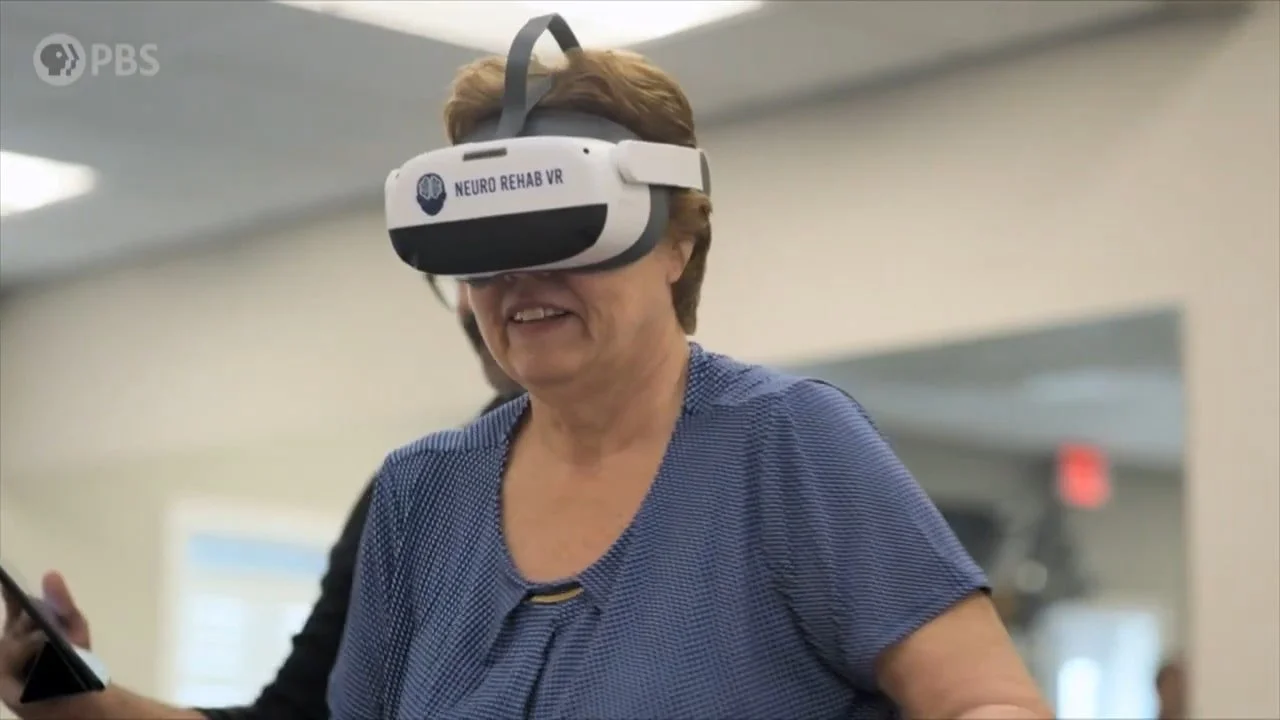
Additional research focusing specifically on immersive virtual reality and upper limb rehabilitation has also shown promising results. Chala Diriba Kenea and colleagues conducted a systematic review and meta-analysis examining immersive virtual reality interventions for upper extremity recovery after stroke. Their analysis found that immersive approaches may improve upper limb motor function and increase patient engagement during rehabilitation, particularly when sessions encourage repetitive and task-oriented movement. (Kenea et al.)
For therapists, these findings matter because one of the biggest barriers in long-term rehabilitation is not simply prescribing exercises. The challenge is helping patients remain mentally and emotionally engaged long enough to continue practicing the repetitions necessary for recovery.
Functional Rehabilitation and Real-World Participation
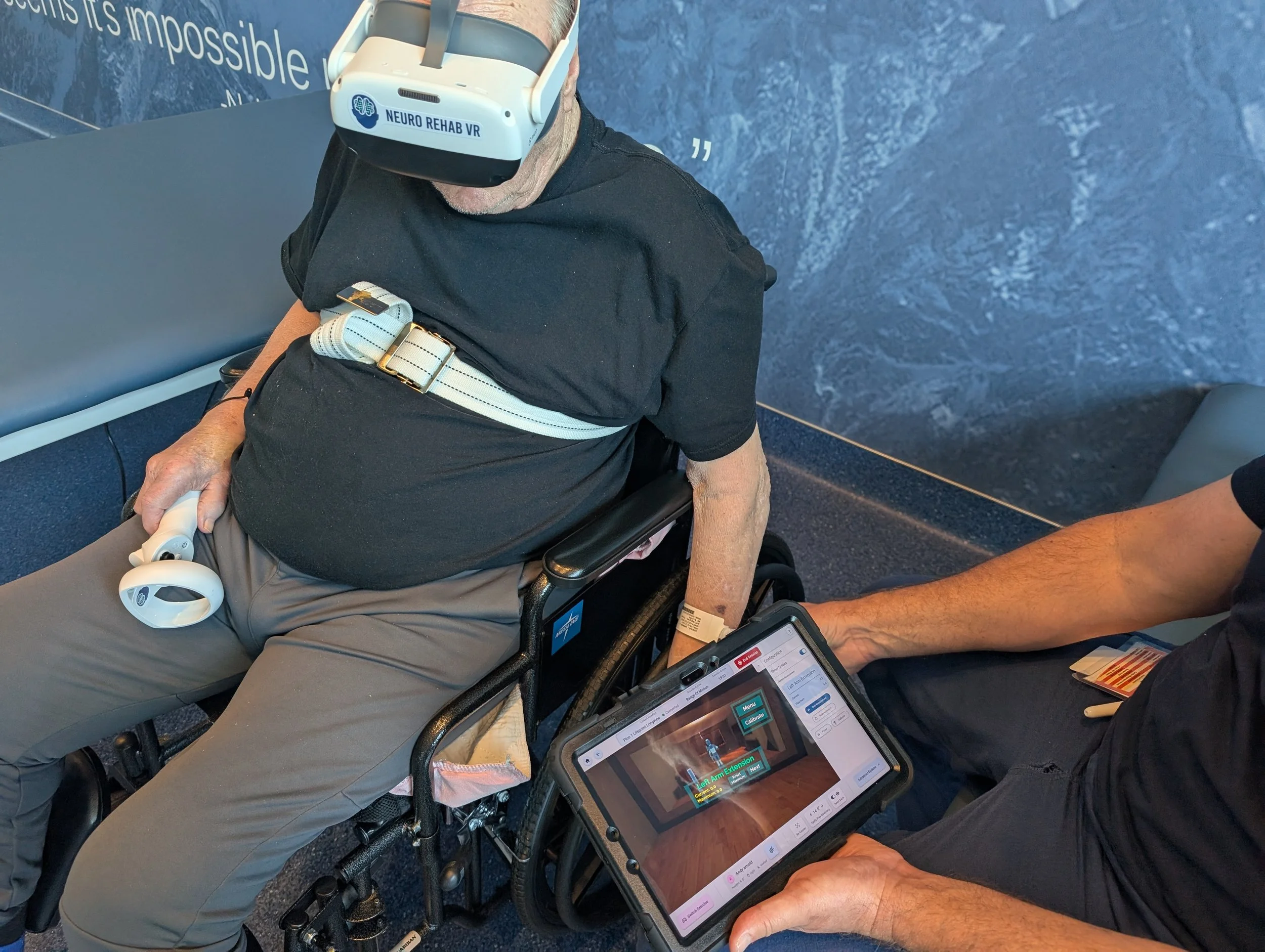
One of the reasons functional and immersive rehabilitation approaches have gained more attention in stroke recovery is because patients often respond better when therapy feels connected to everyday life. Many stroke survivors are not only trying to improve balance, strength, or coordination in a clinical setting. They are trying to return to activities that once felt routine, like cooking dinner, walking through a grocery store, carrying laundry, or simply moving through their home with confidence again. When therapy activities mirror those real-world demands, patients can better understand how the movements they practice during sessions apply outside of the clinic, which may help improve participation, motivation, and overall engagement throughout recovery.
This shift toward functional rehabilitation aligns with broader trends in neurological therapy that emphasize task-oriented training and meaningful activity participation. Instead of isolating movement completely from context, therapists increasingly focus on helping patients practice movements within activities that resemble real-world demands. Functional reaching, dynamic balance challenges, visual scanning, dual-task activities, and mobility tasks can all become more meaningful when connected to environments patients recognize from everyday life.
Research examining functional capacity after stroke has continued supporting this direction. A systematic review and meta-analysis conducted by A. Navas-Otero and colleagues found that rehabilitation programs incorporating virtual reality interventions demonstrated improvements in functional capacity among post-stroke patients. Their analysis highlighted how interactive rehabilitation environments may support patient participation while encouraging repetitive movement through engaging and task-oriented activities. (Navas-Otero et al.)
At Neuro Rehab VR, much of the focus has centered around supporting therapists through immersive rehabilitation experiences that encourage functional movement, cognitive engagement, and increased participation without replacing the clinical expertise driving the session itself. The intention has never been to substitute technology for therapists, but rather to provide clinicians with additional tools that may help patients remain more engaged during rehabilitation while still targeting meaningful therapeutic goals.
This distinction is important because stroke recovery remains deeply dependent on the therapist-patient relationship. Technology may support the process, but therapists continue making the clinical decisions, modifying interventions, monitoring patient response, adjusting difficulty levels, and providing the encouragement patients rely on during recovery.
Upper and Lower Limb Recovery Requires Repetition and Participation
One of the most physically demanding aspects of stroke rehabilitation involves rebuilding upper and lower limb function through repetitive and progressive movement training. Patients often spend months working on gait mechanics, balance control, reaching, coordination, transfers, endurance, and task-specific mobility exercises designed to improve functional independence.
The challenge is that repetitive exercises can become mentally draining over time, particularly when patients feel disconnected from the purpose behind the movement itself. This is one reason researchers continue exploring whether immersive rehabilitation environments may help increase patient participation while still supporting motor recovery goals.
Woo-Kyoung Yoo and colleagues recently conducted a meta-analysis examining the effects of virtual reality training on post-stroke upper and lower limb recovery. Their findings suggested that virtual reality-based interventions may positively influence motor function across both upper and lower extremities, particularly when therapy programs encourage active movement repetition and consistent participation. The researchers also emphasized that patient engagement plays a major role in the effectiveness of rehabilitation interventions overall. (Yoo et al.)
This aligns closely with what many therapists already observe clinically. Patients who are mentally engaged during therapy sessions are often more willing to continue practicing difficult movements, tolerate longer sessions, and participate more actively throughout rehabilitation. While technology alone is never responsible for recovery outcomes, tools that encourage participation and meaningful repetition may help support the larger rehabilitation process.
Recovery Continues Long After Discharge
One of the biggest misconceptions surrounding stroke rehabilitation is that recovery ends once formal therapy decreases or discharge occurs. In reality, many stroke survivors continue working on movement, endurance, confidence, and independence for years after the initial event.
This reality makes long-term engagement especially important. Patients who remain motivated and actively involved in movement-based activities are often more likely to continue practicing skills outside of therapy sessions. Clinicians frequently emphasize that rehabilitation does not simply occur during scheduled appointments. Recovery also depends on what patients feel confident enough to attempt in their daily life.
For many stroke survivors, regaining independence happens gradually through small moments that build over time. A patient may feel comfortable walking longer distances again, cooking independently for the first time in months, or returning to a public environment without fear. These milestones may appear small from the outside, but they often represent enormous emotional victories for individuals rebuilding confidence after neurological injury.
The patient mentioned earlier eventually returned to grocery shopping independently with his wife. While the experience still required concentration and pacing, it represented something meaningful to him because it reflected progress toward normal life rather than simply improvement inside a therapy gym. Experiences like these help explain why engagement, confidence, and functional rehabilitation continue receiving so much attention within stroke recovery research and clinical practice.
Why American Stroke Awareness Month Matters Beyond Prevention
Awareness campaigns surrounding stroke are often centered on emergency response and prevention education, both of which are critical. Early recognition and rapid medical treatment can dramatically affect long-term outcomes. However, Stroke Awareness Month also provides an opportunity to acknowledge the long and difficult rehabilitation journey many survivors face afterward.
Stroke recovery requires enormous effort from patients, caregivers, therapists, physicians, and rehabilitation teams. It involves physical exhaustion, emotional frustration, mental fatigue, and ongoing adaptation. It also requires clinicians to continuously find ways to keep patients motivated and engaged during lengthy recovery processes that can sometimes feel discouraging.
As rehabilitation research continues evolving, immersive and technology-supported interventions may continue playing a larger role in helping clinicians create engaging, functional, and motivating therapy experiences. At the same time, the foundation of recovery remains deeply human. Progress still depends on trust between patients and therapists, consistency during difficult sessions, and the willingness to continue showing up even when improvement feels slow.
For many stroke survivors, recovery is not about returning to exactly who they were before. It is about rebuilding independence, confidence, and participation in everyday life one step at a time.
-
Cardile, Davide, et al. “A Systematic Review on the Use of Virtual Reality in Post-Stroke Patients: Exploring When Modalities Make the Difference in Executive and Motor Recovery.” Frontiers in Virtual Reality, vol. 6, 1 Oct. 2025, https://doi.org/10.3389/frvir.2025.1653968.
Kenea, Chala Diriba, et al. “Immersive Virtual Reality in Stroke Rehabilitation: A Systematic Review and Meta-Analysis of Its Efficacy in Upper Limb Recovery.” Journal of Clinical Medicine, vol. 14, no. 6, 7 Mar. 2025, p. 1783, https://doi.org/10.3390/jcm14061783.
Laver, Kate E, et al. “Virtual Reality for Stroke Rehabilitation.” Cochrane Database of Systematic Reviews, vol. 11, no. 11, 20 Nov. 2017, www.cochrane.org/CD008349/STROKE_virtual-reality-stroke-rehabilitation, https://doi.org/10.1002/14651858.cd008349.pub4.
Navas-Otero, A., et al. “Rehabilitation Applied with Virtual Reality Improves Functional Capacity in Post-Stroke Patients. A Systematic Review and Meta-Analysis.” Rehabilitación, vol. 59, no. 2, 19 Apr. 2025, p. 100907, www.sciencedirect.com/science/article/pii/S0048712025000271, https://doi.org/10.1016/j.rh.2025.100907.
Yoo, Woo-Kyoung, et al. “The Effects of Virtual Reality Training on Post-Stroke Upper and Lower Limb Function: A Meta-Analysis.” Brain & NeuroRehabilitation, vol. 18, no. 1, 2025, p. e2, pubmed.ncbi.nlm.nih.gov/40191224/, https://doi.org/10.12786/bn.2025.18.e2.