
Therapist Holiday Burnout: What You Need To Know
Written by: Brianna Hodge
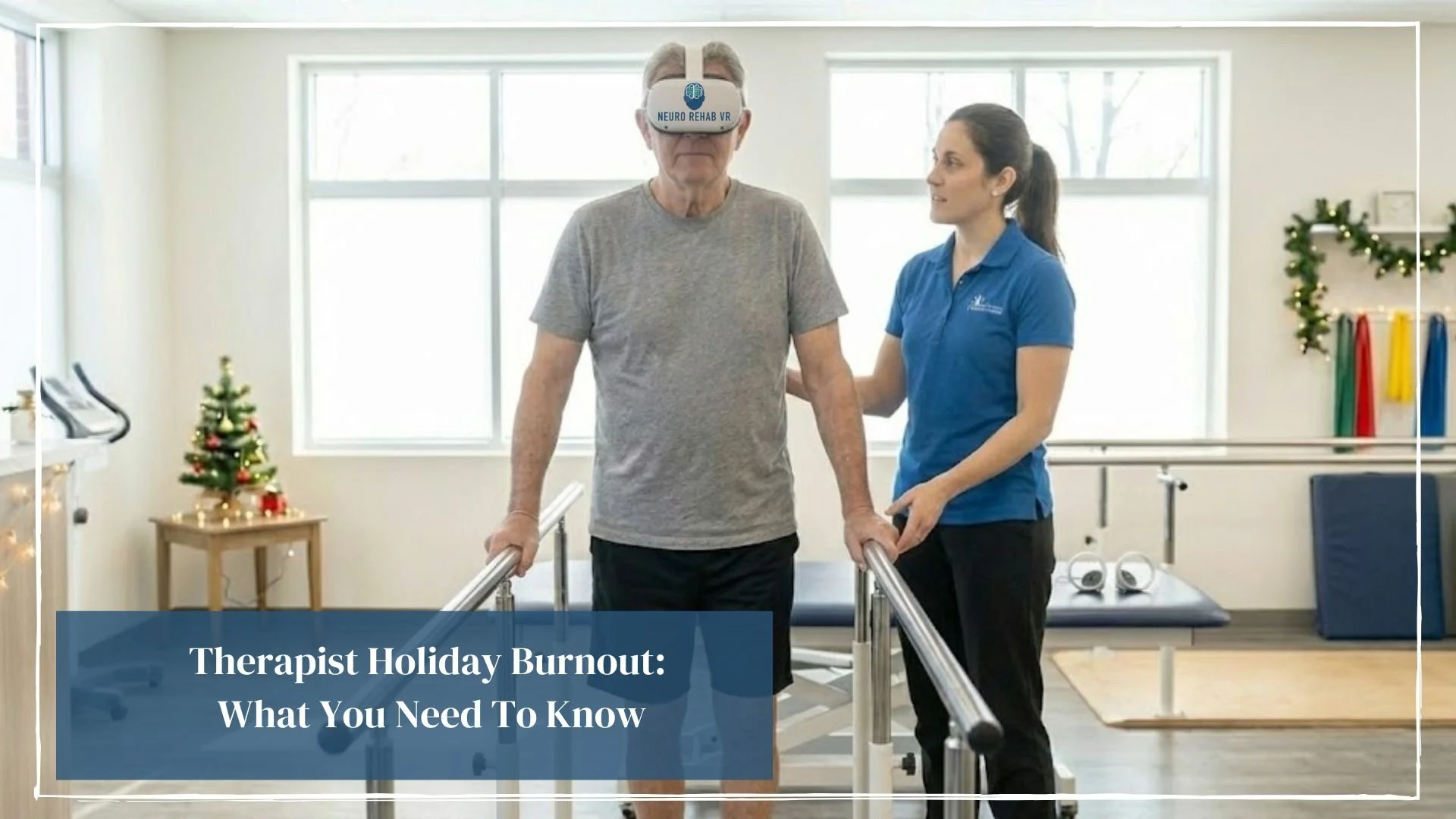
December hits differently when you’re a therapist.
While the rest of the world is stringing lights, baking cookies, and counting down to holiday parties, you’re often doing the opposite. Squeezing in last-minute appointments, covering for coworkers taking PTO, writing what feels like double the documentation, and trying to help patients maintain progress through a month filled with schedule disruptions.
This guide is written for you, to help you avoid burnout. December doesn’t have to be the month that drains you. With the right strategies, grounded in real research, real case studies, and the lived experiences of healthcare providers, you can protect your energy, preserve your compassion, and finish the year with more clarity and less collapse.
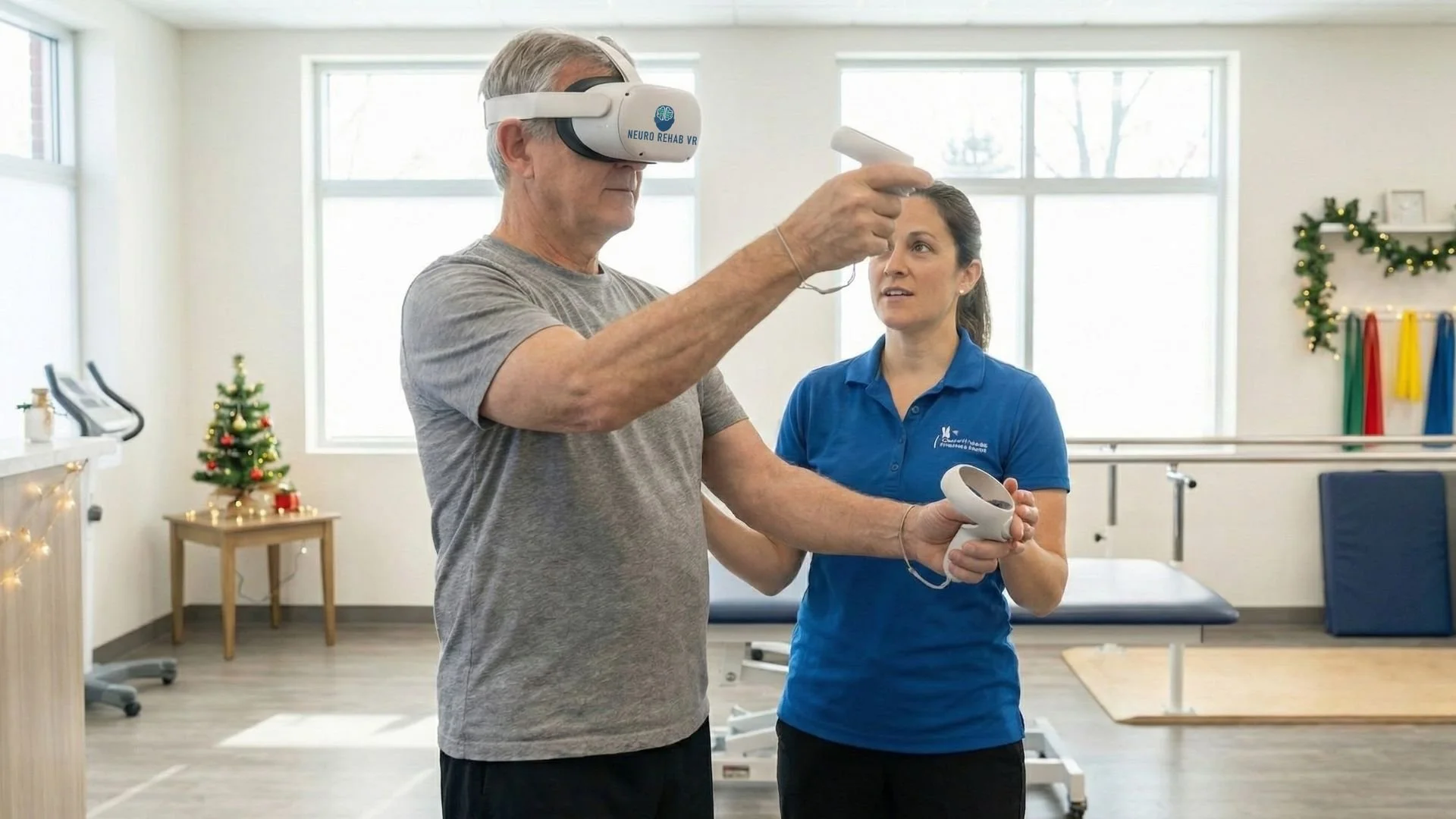
Understanding Why December Is Harder for Therapists
You already know December is busy, but it helps to name why it feels so uniquely overwhelming.
Emotional Labor Intensifies
The holidays amplify every emotion in your patients; grief, loneliness, stress, nostalgia, fear of regression.
A therapist at Omega Project Physical Therapy shared that this season creates a noticeable uptick in stress-related physical symptoms in patients, which requires therapists to manage both the physical and emotional ripple effects (Scott).
Higher Patient Load and Increased Cancellations
Covering for vacationing colleagues often pushes your schedule to its limits, yet at the same time, patients cancel last-minute because of travel, family events, or illness.
That sporadic schedule is mentally taxing. Studies show that inconsistent work rhythms significantly increase burnout risk in healthcare professionals because of the cognitive strain associated with unpredictability (Fisher).
Holiday Expectations Don’t Pause
You’re juggling clinic demands with holiday shopping, family obligations, financial pressure, and social expectations. All while trying to maintain the emotional presence required for your patients.
This leads to more therapists experiencing burnout in December than any other month of the year (Therapeutic Resource).
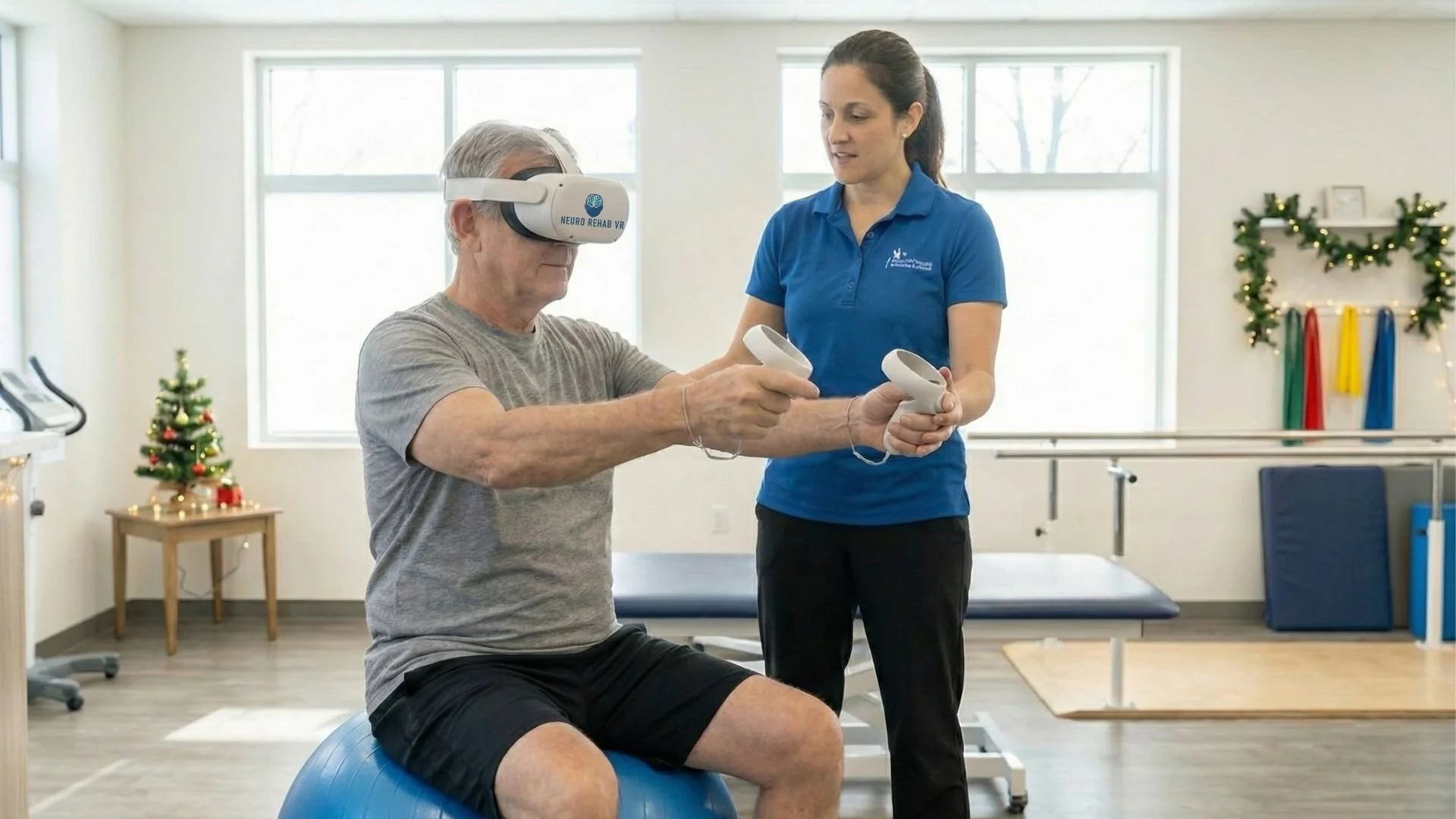
The Science Behind Holiday Burnout
Burnout Is Physiological, Not Personal Weakness
Burnout is not a character flaw, it is a physiological stress response. According to the American Psychological Association, chronic stress can impair immune function, decrease cognitive performance, and reduce emotional regulation. All of which impact therapeutic care during demanding months (American Psychological Association, “Stress Effects on the Body”).
The “Holiday Stress” Effect
Holiday-related stress creates a layered emotional load on both therapists and patients. Research on holiday strain shows that external stressors, including financial stress, family tension, and reduced rest, can significantly reduce one’s ability to cope with workplace pressure (American Psychological Association, “Even a Joyous Holiday Season Can Cause Stress for Most Americans”).
Compassion Fatigue Peaks
Therapists often increase their emotional investment in December because patients feel heightened anxiety about losing mobility or independence over the holidays. Omega Project PT describes this as a “dual burden,” where therapists take on patient stress and try to maintain festive encouragement (Scott).
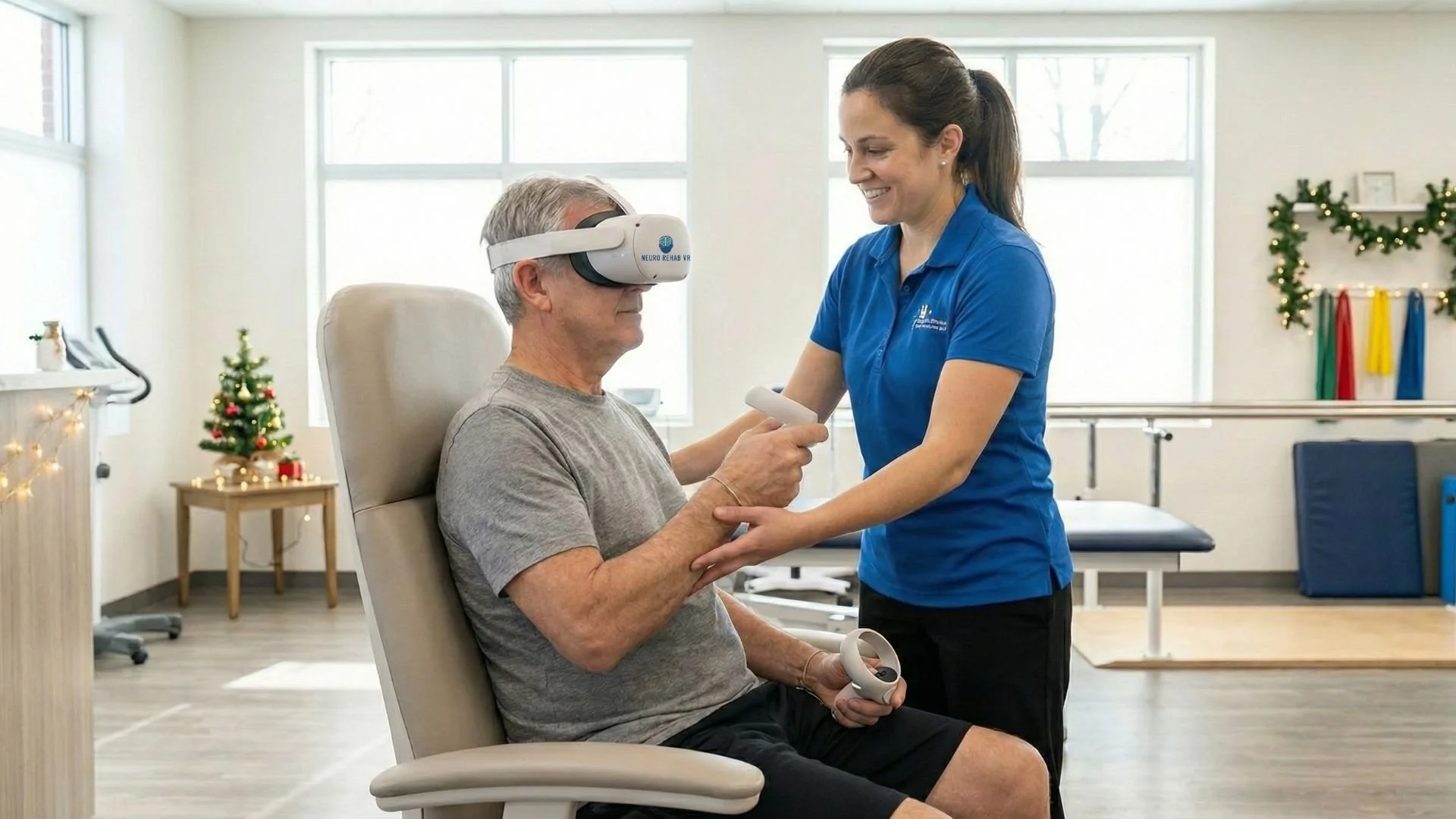
When Burnout Hits Without Warning
Meet Maria, a seasoned PT with 12 years of experience in outpatient neuro rehab.
Last December, she noticed the signs: falling behind on notes, feeling irritable with coworkers, struggling to stay present during gait training, and crying in her car after a long shift.
She told her supervisor, “I feel like I’m failing, but I’m doing everything I can.”
Her experience is not uncommon. In fact, a survey of rehabilitation professionals found that burnout spikes by nearly 20% between Thanksgiving and New Year’s due to workload, emotional exhaustion, and decreased time for recovery (Therapeutic Resource).
Maria eventually adjusted her schedule, delegated holiday-administration tasks, and implemented short, structured self-care routines. Relieving stress and burnout for herself as the holiday season continued.
The Therapist’s December Survival Strategies
This isn’t a generic self-care list. These strategies come directly from physical therapy clinics, burnout researchers, and healthcare organizations who have actually studied what works.
Let’s break them down into four categories:
Emotional, cognitive, physical, and workflow strategies.
-
Set a Holiday Boundary Script
From Therapeutic Resource’s guide on preventing therapist burnout, one of the strongest protective strategies is using pre-written scripts for emotional boundaries during the holiday season (Therapeutic Resource).
Here’s one you can borrow:
“I want to support you fully, and to do that, I need to stay mindful of my own energy. Let’s focus on what feels achievable today without pushing too hard.”
This doesn’t diminish care, it preserves both yours and the patient's mental health.
Acknowledge Patient Emotions Without Absorbing Them
Omega Project PT recommends reflective listening without over-identification (Scott):
“I hear how difficult this season feels. Thank you for sharing that, let’s make this session a place where you can breathe.”
It builds connection but protects your emotional boundaries.
Check in With Your Team Daily
Even a 3-minute morning huddle reduces emotional strain.
Healthcare organizations that implemented December micro-meetings reported higher morale and lower reported burnout symptoms (Fisher). -
Shrink Your Mental To-Do List
Therapists often try to manage both clinic tasks and personal holiday planning in the same mental space.
Experts at Reborn PHW recommend compartmentalization, not emotionally but cognitively (Reborn PHW).
Write down your tasks and designate holiday-only time blocks. It frees cognitive load and improves decision-making.Use the “No New Projects in December” Rule
Unless required by leadership, do not volunteer for extra:
Program development
Additional documentation roles
New treatment pilots
Holiday-themed clinics
Committee work
Lean on Scripts for Difficult Conversations
Holiday non-compliance, scheduling conflicts, and cancellations are more common. Having ready-made scripts reduces cognitive drain.
Try:
“I understand this month is busy. Let’s talk about how we can maintain your progress with a realistic plan.”
-
Micro-breaks Every 90 Minutes
Research across multiple healthcare professions shows that short breaks significantly decrease stress hormone levels and improve musculoskeletal endurance (Therapeutic Resource).
It doesn’t need to be a long break or driving somewhere, it can be just standing, stretching, breathing, or stepping outside.
Don’t Skip Your Own Warm-up
In December, you’re transferring more patients, adjusting more equipment, lifting more boxes of holiday-related clinic items.
Your shoulders, low back, and hips take the brunt.
A PT from Upslope Physical Therapy emphasized that clinicians who treat December like “athlete season” have better injury prevention and improved mood (UpSlope).
Hydrate Like It’s a Prescription
Caffeine skyrockets in December, but dehydration increases irritability and cognitive fatigue.
One Upslope PT clinician jokes,
“Your water bottle is your emotional support during the holidays.”
-
Create a December Documentation Plan
Documentation is one of the top contributors to therapist burnout during the holidays (Phreesia).
Reserve documentation “power hours” twice per week
Use shorthand during sessions and complete notes immediately after
Avoid doing notes at home unless absolutely necessary
Implement a Green-Yellow-Red Scheduling System
Therapists who color-code their month see a dramatic drop in perceived chaos.
Green days: low load, high recovery
Yellow days: moderate load, possibly tight schedule
Red days: double-bookings, high administrative burden
Delegate December Tasks to Support Staff
Front desk teams can help with:
Insurance verifications
Pre-holiday scheduling
Cancellations and rescheduling
Holiday closure reminders
Embrace Technology That Lightens the Load
One of the biggest drivers of December burnout is documentation and redundant tasks. This is where technolog makes an enormous difference.
Neuro Rehab VR’s Smart Therapy™ Complete Solution is designed with busy seasons in mind. It combines immersive therapeutic activities with AI-powered automation to reduce therapist fatigue. Here’s how therapists use it specifically during high-stress months:
✓AI-Generated SOAP Notes Reduce Documentation Burnout
Therapists report saving up to 50% of their documentation time using VEDA, the AI tool integrated within the system. When your December workload is doubled, this time savings can be the difference between burnout and balance.
✓ Immersive Activities Keep Patients Engaged
During holiday months, patients are often distracted, anxious, or inconsistent with home exercises. Virtual environments, such as cognitive challenges, balance courses, and functional ADL simulations, help patients stay motivated even when energy is low.
This reduces therapist emotional strain and boosts session productivity.
✓ Real-Time Data Helps You Work Smarter
Instead of manually tracking every detail, the system captures range of motion, speed, quality of movement, exertion, and more.
In a month where your brain is juggling everything, automated metrics relieve cognitive load.
✓ Consistency for Patients
Therapists often report that VR sessions help patients maintain progress even when holiday disruptions occur. Strong patient engagement leads to fewer regressions, and fewer emotionally draining conversations in January.
Neuro Rehab VR doesn’t replace therapists. It supports you when the season is demanding more than you should carry alone.
Your December Checklist for Staying Healthy and Whole
Consider this your personal survival plan.
Daily
Short morning grounding ritual
One micro-break at minimum
Hydration check twice per shift
Realistic expectations set for each patient
Leave work at work (as much as possible)
Weekly
One protected documentation block
One team check-in
One personal holiday-only time block
One physical reset activity (walk, yoga, stretching)
Monthly
Identify red workload days
Ask for help early
Plan January recovery time
Celebrate small patient wins
If You’re Feeling Burned Out Right Now
Pause, breathe, and take a short break. You do not need to power through December alone.
You are a human being helping other human beings, and that is beyond amazing.
But it also requires care, compassion, and boundaries for yourself, not just your patients.
If you are feeling overwhelmed, discouraged, or exhausted, here’s what I want you to remember:
Burnout is not a sign that you’re failing.
It’s a sign that you’ve been carrying too much for too long.
And it’s okay to set it down.
Final Thoughts: You Deserve Care Too
Therapists are often the last to receive the compassion they easily give others. But as the holiday season ramps up, your well-being is not optional, it’s essential.
If you take nothing else from this guide, take this:
Your work matters,
your health matters,
and your rest matters.
December will always be busy, but it doesn’t have to break you.
-
American Psychological Association. “Even a Joyous Holiday Season Can Cause Stress for Most Americans.” Apa.org, 2023, www.apa.org/news/press/releases/2023/11/holiday-season-stress.
---. “Stress Effects on the Body.” American Psychological Association, American Psychological Association, 21 Oct. 2024, www.apa.org/topics/stress/body.
Corwin, Dr. Andrea . “How to Avoid Holiday Burnout - Reborn Pelvic Health & Wellness.” Reborn Pelvic Health & Wellness, 14 Nov. 2023, rebornphw.com/how-to-avoid-holiday-burnout/. Accessed 3 Dec. 2025.
Fisher, Jacob. “5 Strategies for Fighting Burnout in Your Healthcare Organization during the Holiday Season.” Phreesia, 7 Dec. 2021, www.phreesia.com/blog-fighting-burnout-and-stress-in-your-healthcare-organization-during-the-holidays/. Accessed 3 Dec. 2025.
Scott, Brianne. “Stress during the Holidays: A Physical Therapist’s Perspective.” Omegaprojectpt.com, 2025, www.omegaprojectpt.com/blog/stress-during-the-holidays-a-physical-therapists-perspective/. Accessed 3 Dec. 2025.
Therapeutic Resource. “Holiday Season Self-Care: Preventing Burnout for Therapists.” Therapeuticresource.com, 2024, therapeuticresource.com/blog/holiday-season-self-care-preventing-burnout-for-therapists. Accessed 3 Dec. 2025.
UpSlope. “UpSlope Physical Therapy & Performance.” UpSlope Physical Therapy & Performance - Empowering Active Lives through Movement and Vitality, 20 Dec. 2024, upslopept.com/physical-therapist-tips-for-a-pain-free-and-stress-free-holiday-season/. Accessed 3 Dec. 2025.