
Written by: Brianna Hodge
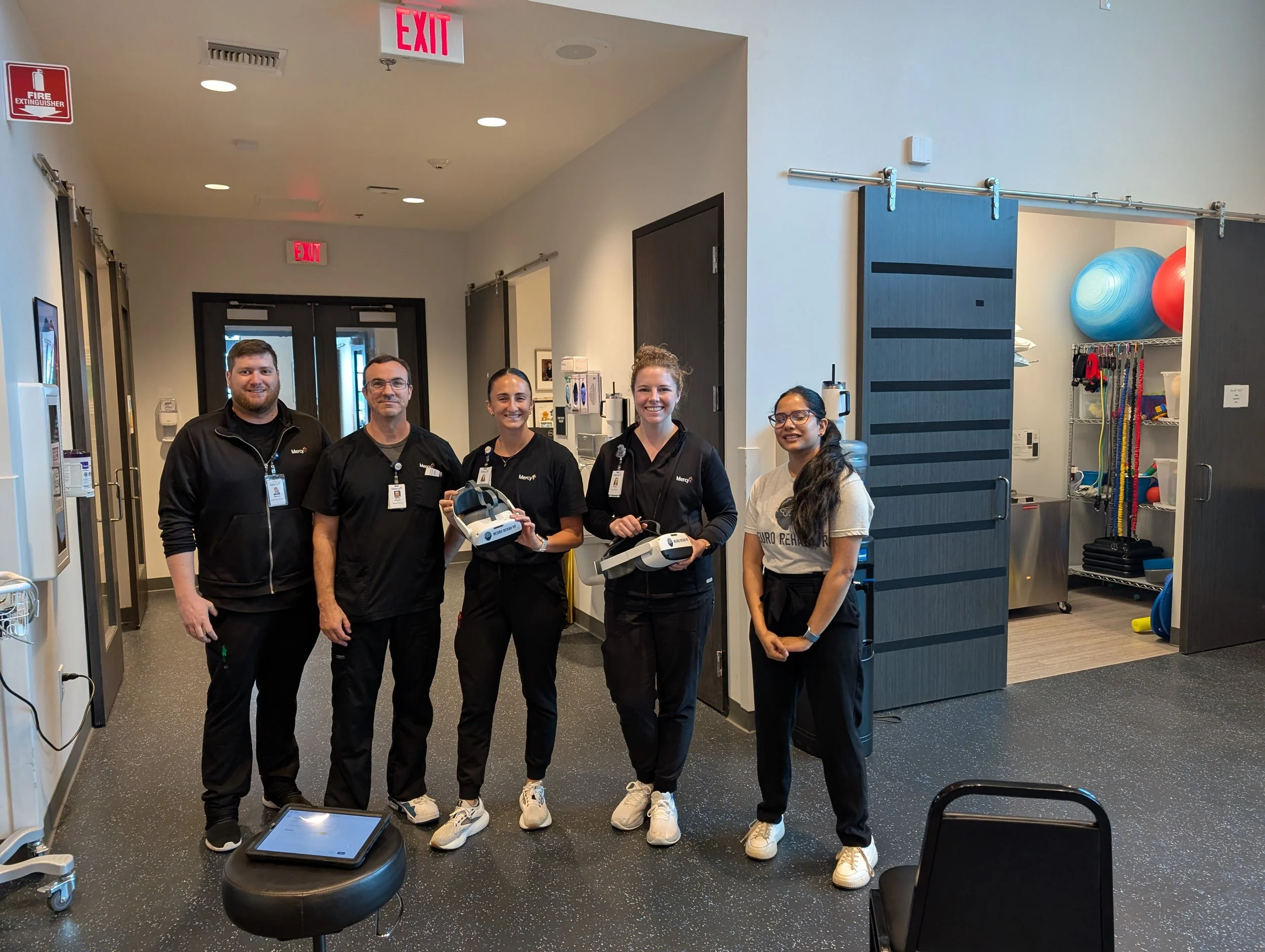
This week, September 14 through 20, 2026, is National Rehabilitation Awareness Week. The National Rehabilitation Awareness Foundation has recognized the observance every year since 1976, and this year's official theme, chosen by the American Medical Rehabilitation Providers Association, is "Building Futures Through Rehabilitation" (AMRPA). It is a fitting theme, because it names something clinicians already know: recovery is not something that happens to a patient. It is something a clinician builds with a patient, session by session, decision by decision, for as long as it takes.
That distinction matters more this year than it has in a long time. Rehabilitation technology is advancing quickly, and conversations about artificial intelligence, virtual reality, and data-driven care are everywhere in this field right now, including in the content we publish here every month. But none of that technology builds a future for a patient by itself. It measures progress, and it assists with a task, and occasionally handles paperwork a clinician would otherwise be stuck with at nine at night. The actual work of rehabilitation, the work of building futures, still happens because a physical therapist, an occupational therapist, a speech-language pathologist, or a neuro rehabilitation specialist decided to become one, then spent years learning how to read a patient's body, mood, and motivation well enough to know exactly what that person needs today.
National Rehabilitation Awareness Week covers all of those disciplines at once, and for good reason. A patient recovering from a stroke rarely sees only one type of therapist. A physical therapist may be rebuilding the strength and balance needed to walk again, while an occupational therapist works on the fine motor skills and daily living tasks that let that same patient cook a meal or button a shirt, and a speech-language pathologist addresses the language or swallowing changes the stroke also left behind. Each discipline brings its own training and its own way of thinking about recovery, and none of them can be substituted for another. What unites them, and what this week is really about, is the shared decision to spend a career figuring out exactly what one person needs to reclaim their life.
The Relationship Nobody Can Automate
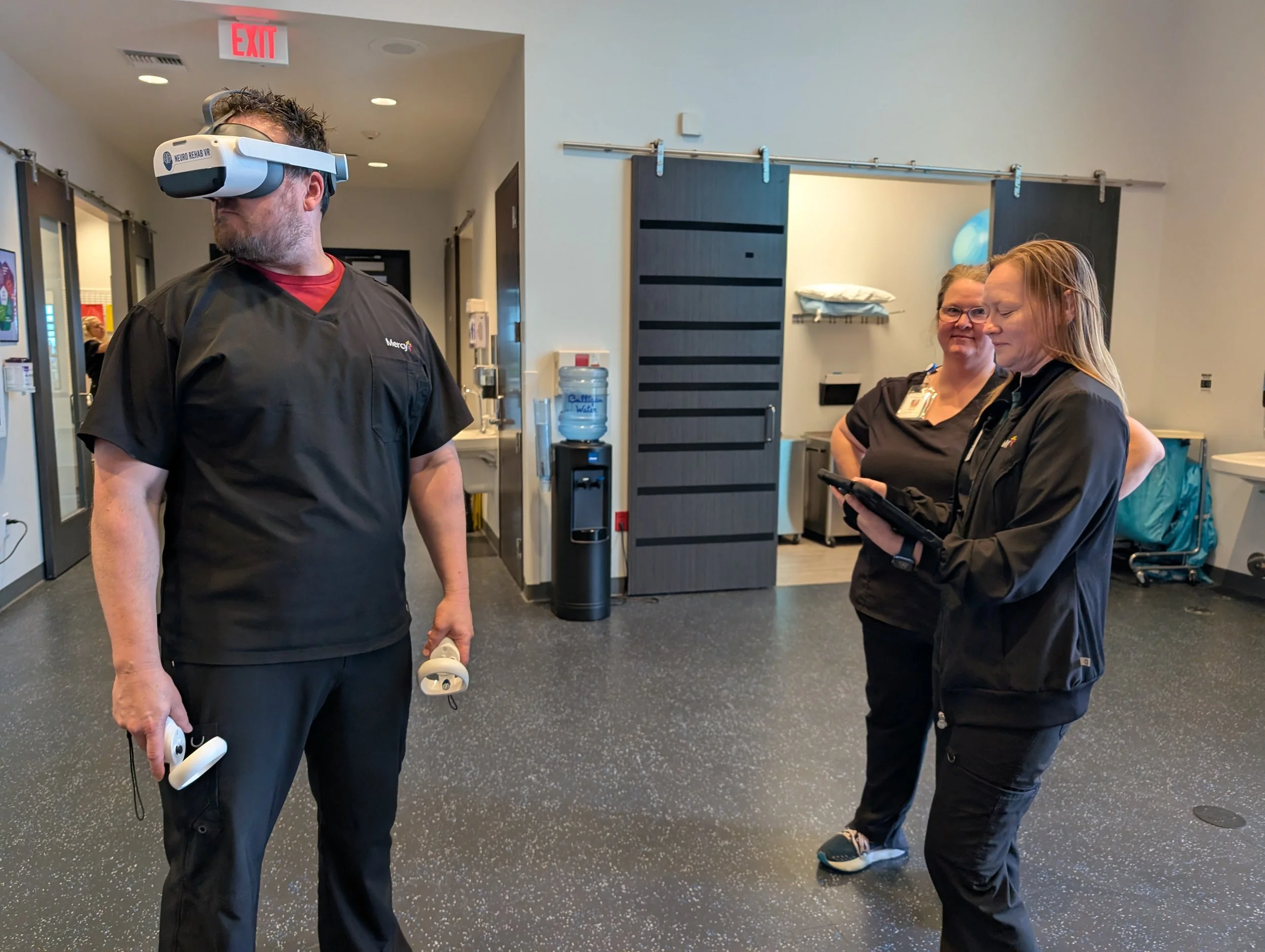
Ask almost any physical or occupational therapist why they chose this profession, and it usually involves a relationship. A retrospective study of 182 patients with chronic low back pain found that the therapeutic alliance between patients and physical therapists, meaning the collaborative bond built on shared goals and mutual trust, predicted meaningful improvements in outcome, independent of which specific treatment technique was used (Ferreira et al. 470).
A broader systematic review reached a similar conclusion across a wider range of rehabilitation settings, finding that the quality of the therapist-patient relationship consistently influenced treatment outcomes in physical rehabilitation, even though the studies varied widely in condition, setting, and outcome measure (Hall et al. 1099).
An experimental controlled study of patients with chronic low back pain found that an enhanced therapeutic alliance directly modulated pain intensity and muscle pain sensitivity during treatment, meaning the relationship changed something measurable in the body, not just how the patient felt about their care (Fuentes et al. 477). A clinician who takes the time to listen, explain, and build trust is not being generous with their bedside manner, they are delivering part of the intervention.
The Judgment Behind Every Exercise
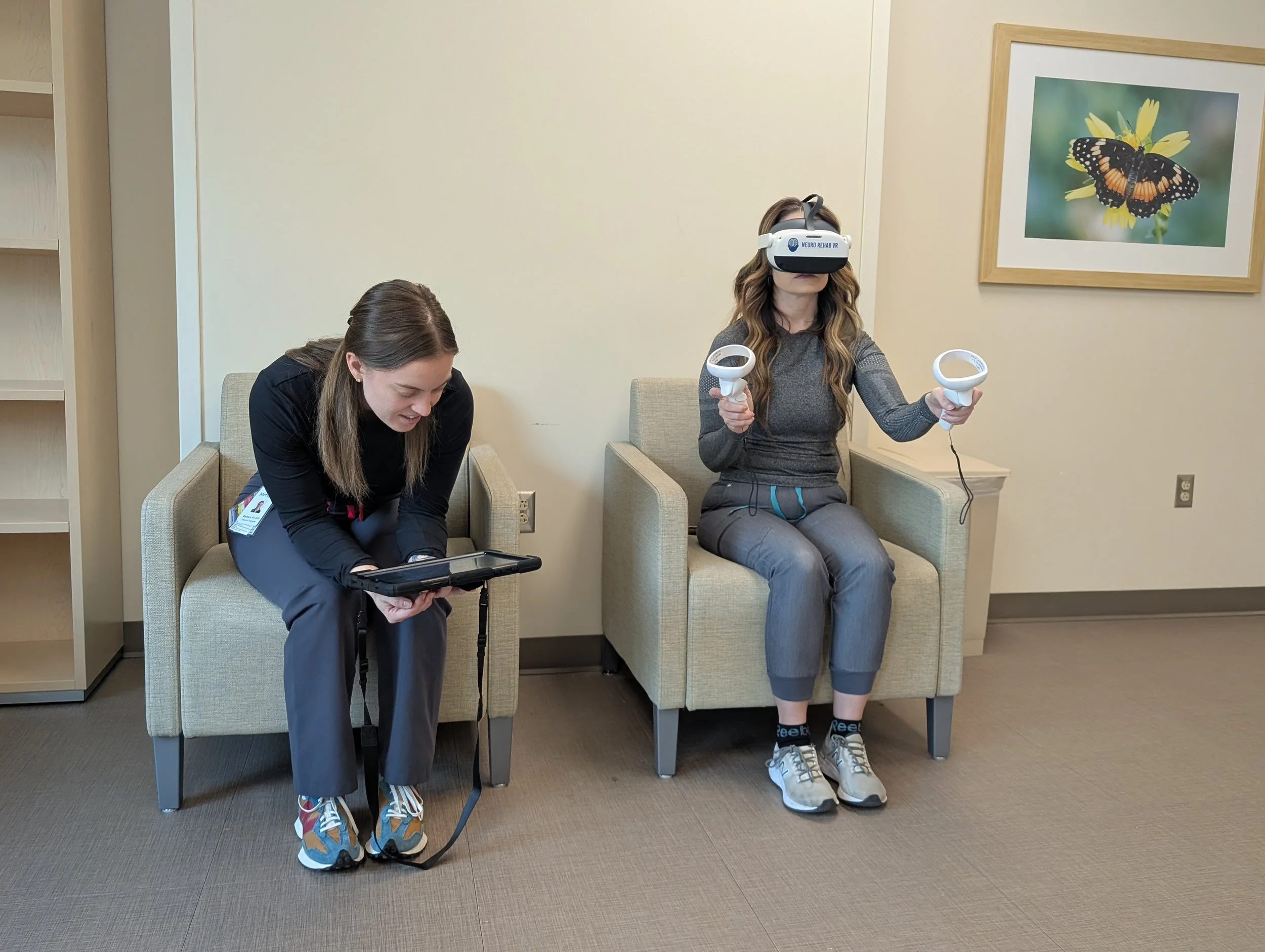
The second thing worth celebrating this week is less visible from the outside: the judgment clinicians exercise every time they introduce a new tool into a session. A 2025 survey of 658 physical therapists and physical therapist assistants across the United States examined how this profession actually uses virtual reality in practice, and the findings make clear that adoption is not automatic just because the technology works in a study (Felsberg et al. 3). Clinicians weigh attitudes, perceived usefulness, and practical fit before they decide a tool belongs in a specific patient's plan of care. A twelve-month observational study of an Australian rehabilitation center that introduced twenty-one advanced technologies, including robotics, virtual reality, and sensor-based devices, across 119 allied health clinicians found that successful adoption depended on matching each device to the right rehabilitation context and backing it with real clinician training. (Pearce et al.).
This is the piece of Rehabilitation Intelligence that is easiest to overlook, and it maps directly onto what we mean when we talk about Plan and Deliver as connected clinical functions rather than isolated software features. A headset can present a balance task at a given difficulty level, and it can log how the patient performed. It cannot decide that a patient recovering from a concussion needs a slower progression this week because they mentioned trouble sleeping, or that a stroke survivor is ready for a harder challenge because their confidence has visibly grown since the last visit. That judgment is trained rather than programmed. It comes from a clinician's education, their supervised hours, and every patient they have already treated, and technology built well should make more room for it instead of competing with it.
Occupational therapy offers a clear example of what that judgment looks like in practice, because so much of OT depends on setting goals that actually matter to the person in the room rather than goals that are simply easy to measure. A 2023 feasibility study of a structured, theory-based goal-setting system for occupational therapists found that clinicians needed a real facilitation process, not just a form to fill out, in order to help clients articulate goals that were personally meaningful and to keep those goals central to the plan of care over time (Kang et al.). A clinician has to ask the right questions, notice when a stated goal does not match what a patient truly wants, and adjust the plan when either the goal or the person's life circumstances shift. That is judgment applied one relationship at a time, and it is exactly the kind of work a rehabilitation platform should be built to support rather than shortcut.
Neuro rehabilitation asks for a related kind of judgment, applied under even more uncertainty. A patient recovering from a traumatic brain injury or a stroke may present with attention, memory, and motor changes that shift week to week, sometimes day to day, in ways no standard protocol anticipates. A neuro rehab specialist has to interpret a mix of objective data and subtle behavioral cues, then decide whether today's plan still fits the patient sitting in front of them or needs to change on the spot. That kind of interpretation is precisely why this platform started inside a neuro outpatient clinic rather than a product lab. Watching that judgment happen, session after session, for years, taught far more about what clinicians actually need than any amount of remote market research could have.
A Profession Being Asked to Do More With Less
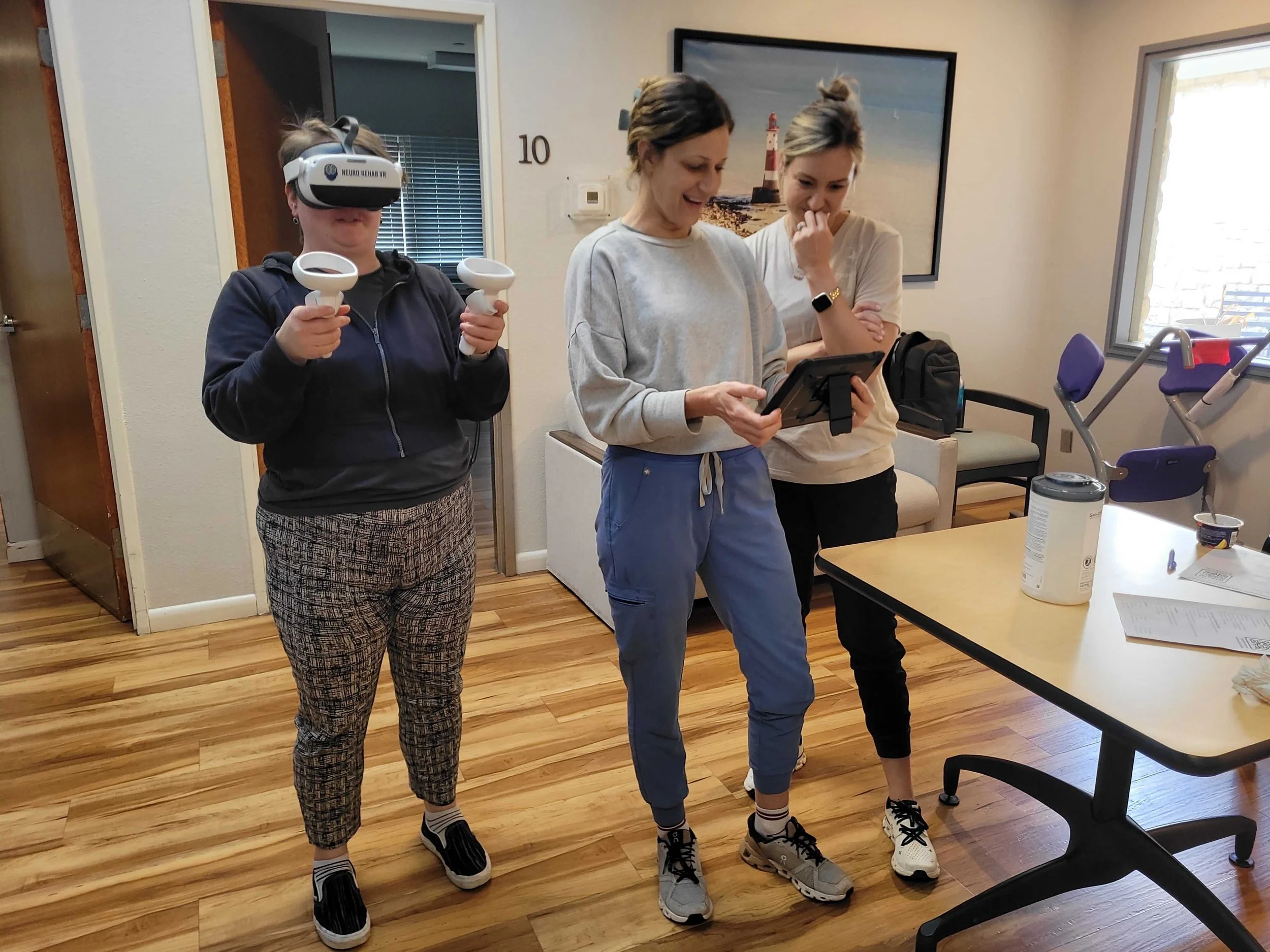
Celebrating rehabilitation professionals this week also means being honest about the pressure they are working under. The American Physical Therapy Association's newest workforce forecast, built on microsimulation modeling rather than simple trend extrapolation, projects that demand for physical therapist services will grow 14.7 percent by 2037, faster than the population itself is growing, while supply struggles to keep pace (Zarek et al.). The same report found that in 2022 alone, the country was already short roughly 12,070 physical therapist full-time equivalents relative to demand, about 5.2 percent below what patients actually needed (Zarek et al.). Occupational therapy and speech-language pathology are watching similar gaps open in their own workforce projections. None of this is a distant hypothetical. It is the daily reality behind a full caseload and a waitlist that will not shrink on its own.
Documentation is where that pressure lands hardest, and it has for longer than most people outside the profession realize. Interviews with outpatient physical therapists conducted more than a decade ago already described electronic documentation as a significant cognitive demand layered on top of the physical and clinical demands of the job, competing directly with time that would otherwise go to patients (Palmer et al.). That pressure has not eased. The American Physical Therapy Association's most recent administrative burden survey, distributed to nearly 19,000 physical therapists in 2025, found that 91 percent of respondents agree or strongly agree that administrative burden, documentation included, contributes to burnout (American Physical Therapy Association). A pre- and post-intervention study of ambient AI documentation tools at University of Iowa Health Care found that burnout rates among providers fell from 69 percent to 43 percent after a five-week trial, with the sharpest improvement showing up in the disengagement that comes from spending a visit half-present, distracted by note-taking (Misurac et al.). That is the kind of relief good automation should aim for: not efficiency for its own sake, but a clinician who leaves each session more present than the paperwork alone would allow.
Good documentation tools take that finding seriously. The goal of automating parts of documentation is not to make rehabilitation more efficient for its own sake. It is to hand back the minutes a therapist would otherwise spend charting after the last patient has gone home, so those minutes can go toward the next patient, or toward the therapist's own life outside the clinic. Measuring progress and documenting care are two of the four connected functions this platform is built around, and they matter most when they quietly reduce a clinician's load instead of adding another system to learn.
What Building the Future Looks Like
Put those three pieces together and a clearer picture of Rehabilitation Intelligence emerges, one that starts with the clinician rather than the headset. Plan is a therapist reading a patient's history, goals, and this week's setbacks, then deciding what today's session should accomplish. Deliver is the therapeutic alliance made concrete, guided by clinical judgment about which tool, difficulty level, and pace actually fits this patient rather than a generic protocol. Measure is a set of objective numbers a clinician can trust, rather than a stack of paper notes they have to reconstruct from memory. Document is time returned to that clinician instead of time taken from them.
Smart Therapy™ was built around that order on purpose. The platform can track a patient's range of motion, log repetitions, flag when performance plateaus, and draft the note that used to eat into a therapist's evening. What it cannot do, and was never meant to do, is replace the clinician who decides what any of that data actually means for the person standing in front of them. That decision, made a few thousand times over a career, is what this week exists to honor.
This is also why this post sits alongside the rest of what we publish here in September rather than standing apart from it. The Rehabilitation Intelligence framework we keep returning to, the idea that Plan, Deliver, Measure, and Document belong together as one clinical workflow rather than four separate purchases, was never meant to describe a piece of hardware. It was meant to describe how a good clinician already thinks. Every function in that framework exists because a therapist somewhere needed it to do their job better, not because a product roadmap needed a new feature to announce. National Rehabilitation Awareness Week is a fitting moment to say that plainly, since it is easy for a technology company to talk about a category it is building without pausing to say who that category was built to serve.
A Week, and a Reason, Worth Marking
National Rehabilitation Awareness Week asks the public to notice something clinicians already know: that a walker traded for a cane, a sentence spoken clearly again after a stroke, or a return to a job someone loves are not small victories. They are the product of a relationship built on trust, a judgment call made correctly under pressure, and a workload absorbed quietly so a patient never has to see the strain behind it. Technology can support all three of those things.
So this week, and honestly every week, the thanks belongs to the physical therapists, occupational therapists, speech-language pathologists, and neuro rehabilitation specialists who show up, build the alliance, make the call, and carry a caseload heavier than it should be, because a patient's future is worth building one session at a time. That is the actual work of this profession. Everything else, including the platform we build, is only there to help.
-
AMRPA. “National Rehabilitation Awareness Week – AMRPA.” Amrpa.Org, 2024, https://amrpa.org/national-rehabilitation-awareness-week/. Accessed 15 Sept. 2026.
APTA. “The Impact of Administrative Burden on Physical Therapist Services.” Apta.Org, 5 Nov. 2025, https://www.apta.org/advocacy/issues/administrative-burden/report. Accessed 15 Sept. 2026.
Felsberg, Danielle T, et al. “Clinician Perspectives on Virtual Reality Use in Physical Therapy Practice in the United States.” PLoS ONE, vol. 20, no. 4, 2 Apr. 2025, pp. e0320215-e0320215, 10.1371/journal.pone.0320215.
Ferreira, P. H., et al. “The Therapeutic Alliance Between Clinicians and Patients Predicts Outcome in Chronic Low Back Pain.” Physical Therapy, vol. 93, no. 4, 1 Apr. 2013, pp. 470–478, https://academic.oup.com/ptj/article/93/4/470/2735348, 10.2522/ptj.20120137. Accessed 15 Sept. 2026.
Fuentes, J., et al. “Enhanced Therapeutic Alliance Modulates Pain Intensity and Muscle Pain Sensitivity in Patients With Chronic Low Back Pain: An Experimental Controlled Study.” Physical Therapy, vol. 94, no. 4, 5 Dec. 2013, pp. 477–489, 10.2522/ptj.20130118.
Hall, Amanda M., et al. “The Influence of the Therapist-Patient Relationship on Treatment Outcome in Physical Rehabilitation: A Systematic Review.” Physical Therapy, vol. 90, no. 8, 1 Aug. 2010, pp. 1099–1110, 10.2522/ptj.20090245.
Kang, Eunyoung, et al. “Feasibility and Implementation Determinants of a Structured Goal Setting and Goal Management System.” PubMed, vol. 77, no. 6, 1 Nov. 2023, https://research.aota.org/ajot/article/77/6/7706205150/25012, 10.5014/ajot.2023.050296. Accessed 15 Sept. 2026.
Michelle, Louise, et al. “Advanced Technology in a Real-World Rehabilitation Setting: Longitudinal Observational Study on Clinician Adoption and Implementation.” Journal of Medical Internet Research, vol. 26, 30 Dec. 2024, pp. e60374-e60374, https://pmc.ncbi.nlm.nih.gov/articles/PMC11729780/, 10.2196/60374. Accessed 15 Sept. 2026.
Misurac, Jason, et al. “The Effect of Ambient Artificial Intelligence Notes on Provider Burnout.” Applied Clinical Informatics, vol. 16, no. 02, 5 Nov. 2024, pp. 252–258, 10.1055/a-2461-4576.
Palmer, Douglas, et al. “Patient Care and Electronic Medical Record Entry Demands on Physical Therapists.” Proceedings of the Human Factors and Ergonomics Society Annual Meeting, vol. 61, no. 1, Sept. 2017, pp. 1351–1355, https://www.researchgate.net/publication/320545105_Patient_Care_and_Electronic_Medical_Record_Entry_Demands_on_Physical_Therapists, 10.1177/1541931213601821. Accessed 15 Sept. 2026.
Zarek, Patrick, et al. “Current and Projected Future Supply and Demand for Physical Therapists From 2022 to 2037: A New Approach Using Microsimulation.” Physical Therapy, vol. 105, no. 3, Mar. 2025, 10.1093/ptj/pzaf014.