The Hidden Parts of Therapy No One Ever Talks About
Written by: Brianna Hodge
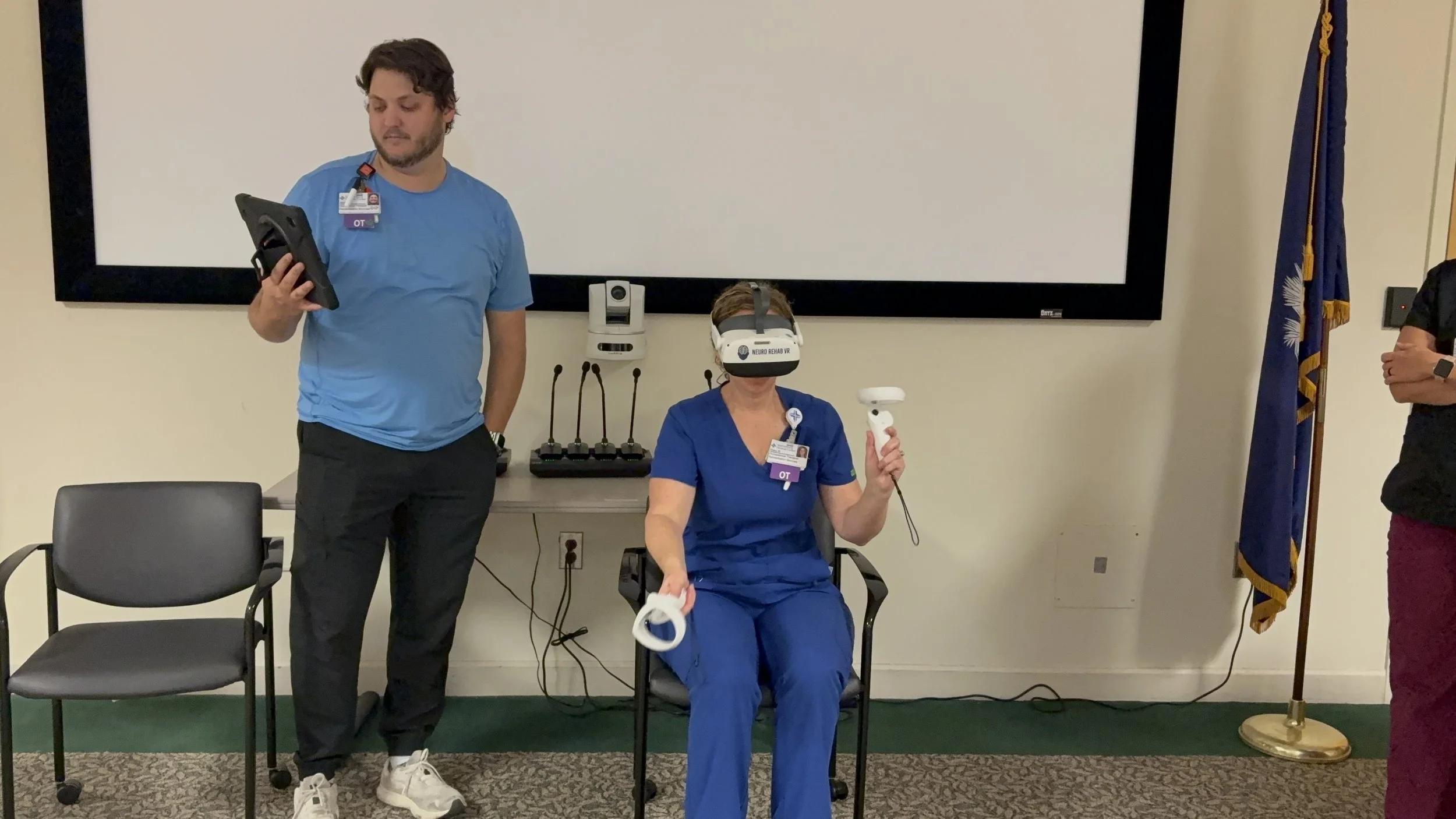
When you walk into a therapy session, it can feel straightforward. You follow instructions, complete movements, and try your best to get through each task. From your perspective, it might feel like a sequence of exercises, reach here, step there, repeat this motion a few more times. Some days feel easier, others more frustrating, but overall, it can seem simple on the surface.
What you don’t see is everything happening around those movements, because while you’re focused on completing the task, your therapist is focused on understanding it. Every motion you make is being observed, interpreted, and used to guide the next decision. Your session isn’t just a set of exercises, it’s a constantly evolving process shaped in real time by clinical expertise.
The Constant Clinical Decision-Making Behind Every Movement
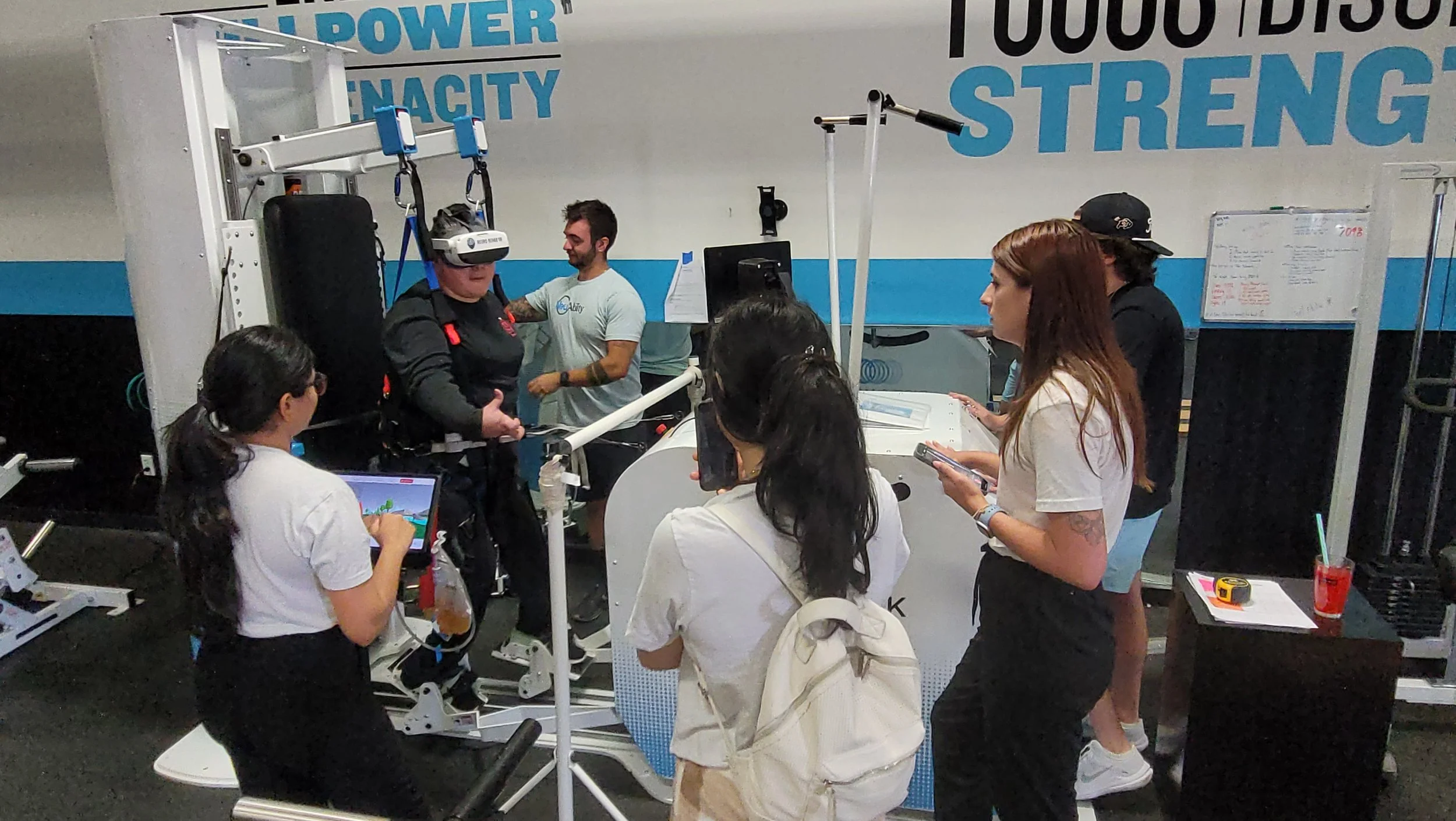
Every time you move, your therapist is thinking far beyond whether you completed the action. They’re analyzing how you moved, what your body did to compensate, and whether the movement pattern is helping or hindering your recovery. A simple reach is never just a reach. It’s an opportunity to observe shoulder stability, trunk control, coordination, and timing all at once.
At the same time, your therapist is making rapid decisions. They are asking whether the movement is functionally useful, whether it is the right level of difficulty, and whether fatigue is starting to impact quality. These decisions happen continuously, often without pause, and they shape how your session unfolds from moment to moment.
This process, known as clinical reasoning, is one of the most critical components of effective rehabilitation. Research highlights that expert therapists constantly integrate observation, patient response, and clinical knowledge in real time to adjust treatment strategies (Edwards et al.). That means your therapy session is never static. Even when it looks repetitive, it is being actively refined with every movement you make.
Finding the Edge: The Balance Between Challenge and Safety
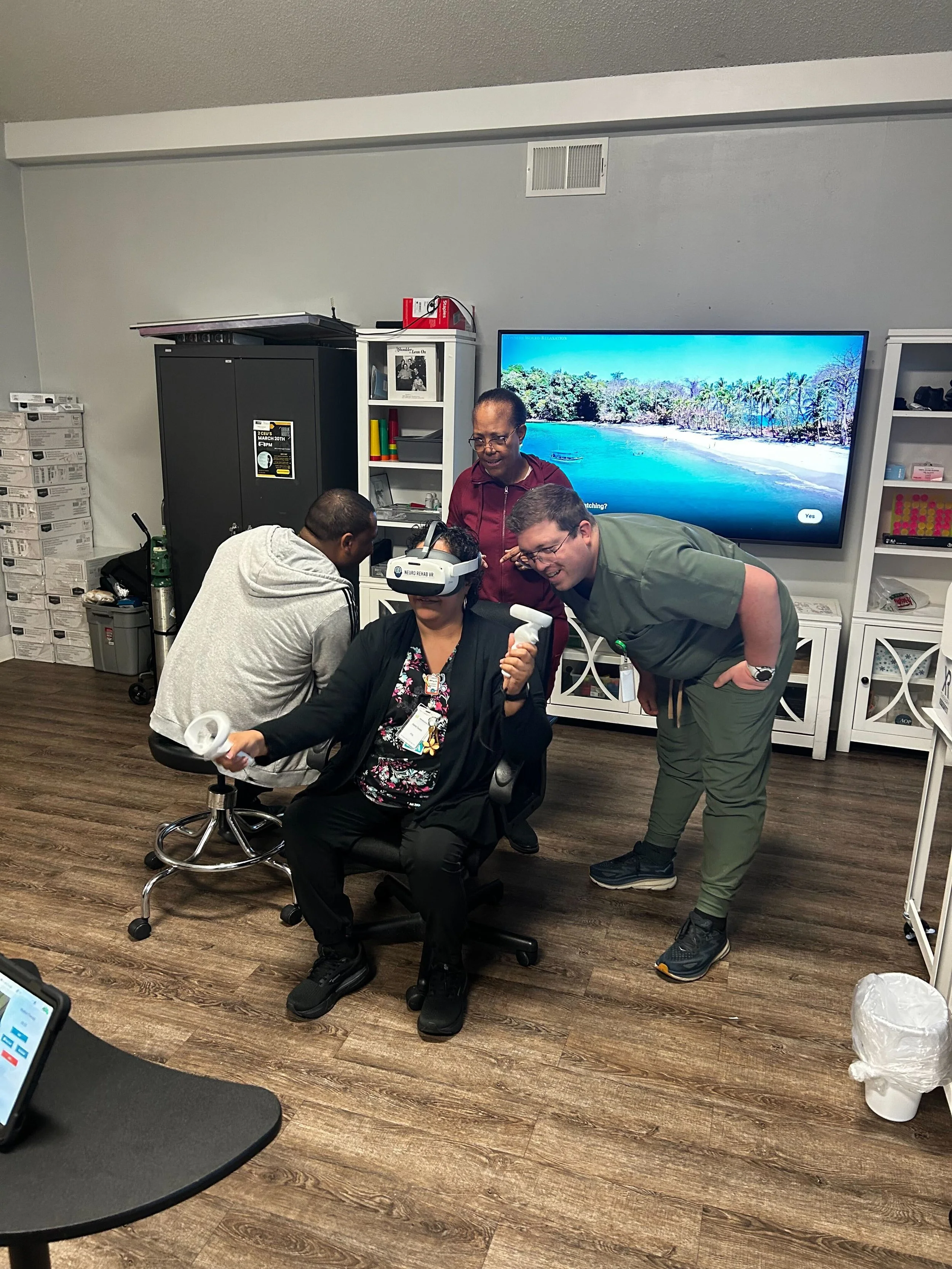
One of the most important roles your therapist plays is determining how far to push you. Progress requires challenge, but too much challenge can lead to setbacks. Too little, and your body has no reason to adapt.
So your therapist is constantly searching for what could be described as your “edge.” This is the point where a task is difficult enough to promote growth, but still achievable enough to maintain safety and confidence. The challenge is that this edge is not fixed. It changes throughout the session, depending on fatigue, focus, and how your body is responding.
You may not notice the subtle signs your therapist is watching for, but they are there. A slight delay in your reaction time, a shift in posture, or a change in breathing can all indicate that something needs to be adjusted. Research on neuroplasticity supports this approach, showing that the brain adapts most effectively when tasks are performed at an optimal level of challenge (Kleim and Jones). That means your therapist is constantly fine-tuning your experience to keep you in that window where real progress happens.
The Hidden Work of Keeping You Motivated
Motivation in therapy is not something that is left to chance. It is something your therapist is actively shaping throughout the session. When you feel engaged, encouraged, and connected to what you are doing, your brain responds differently than when you feel disconnected or frustrated.
Your therapist is paying close attention to this. They notice when your energy drops, when you hesitate, or when you begin to disengage. In response, they may adjust the task, change how they explain it, or connect it more clearly to something meaningful in your daily life. These changes might seem small, but they are intentional.
Research shows that patient engagement plays a direct role in recovery because it influences how the brain reorganizes and forms new connections (White et al.). That means your therapist is not just helping you complete exercises, they are helping create the conditions where your brain is most ready to learn and adapt.
Reading What Isn’t Being Said
Not everything in therapy is verbal, and not everything is physical. Your therapist is also reading what your body and behavior communicate without words. They notice when you avoid using a certain limb, when you rush through a task, or when you hesitate before starting.
These patterns matter. Avoidance, for example, is not always about weakness. It can be linked to fear, pain, or a lack of confidence. Understanding why it is happening is essential, because each cause requires a different approach. Research on learned non-use shows that avoiding the use of an affected limb can significantly limit recovery if not addressed early (Taub et al.).
So when your therapist encourages you to use that side, even when it feels uncomfortable, they are not just focusing on the present moment. They are working to prevent long-term limitations and support a more complete recovery.
The Emotional Layer of Recovery
Therapy is not just physical, it is deeply emotional. Recovery often comes with frustration, uncertainty, and moments of doubt. You might feel like progress is slow or inconsistent, and those feelings can affect how you engage with therapy.
Your therapist is aware of this, even when you don’t say it out loud. They notice changes in your confidence, your tone, and your willingness to try new things. They are constantly balancing how to challenge you while also supporting you emotionally.
Research in motor learning and psychology highlights that emotional state and motivation significantly influence performance and learning (Wulf and Lewthwaite). This means your mindset is not separate from your recovery. Your therapist’s role includes helping you stay in a place where you can continue to move forward, even when the process feels difficult.
Adapting the Session in Real Time
No two therapy sessions are ever exactly the same, even if they look similar on the surface. Your therapist is constantly adjusting based on how you feel, how you performed previously, and how your body is responding in the moment.
These adjustments can include changes in speed, repetitions, environment, or level of support. Sometimes they are so subtle that you may not even notice them, but they are always intentional. The goal is to create a session that is tailored to your needs at that exact moment.
Research supports this approach, showing that individualized and adaptive rehabilitation programs lead to better outcomes than standardized protocols (Laver et al.). What may feel repetitive to you is actually a carefully adjusted progression designed to support long-term improvement.
Training the Brain and Body Together
Even when a task feels purely physical, there is often a cognitive component built into it. Your therapist may introduce small challenges that require you to think, react, or adjust in real time. These additions are designed to reflect the complexity of real-life situations, where movement and thinking happen together.
You might be asked to count, respond to a change in direction, or manage multiple tasks at once. These elements make the activity more challenging, but also more meaningful. Research on dual-task training shows that combining cognitive and physical challenges can improve mobility and reduce fall risk (Uemura et al.).
So when something feels unexpectedly difficult, it is often because your therapist is working to strengthen the connection between your brain and your body.
The Long-Term Plan You Don’t See
Every session you experience is part of a larger plan. Your therapist is not only thinking about what you are doing today, but how each session contributes to your overall progress. They are tracking your improvements, identifying patterns, and planning the next steps needed to move you closer to your goals.
This involves knowing when to increase difficulty, when to reinforce foundational skills, and when to introduce new challenges. Research in motor learning emphasizes the importance of progression and variability in practice to support long-term retention and functional improvement (Schmidt and Lee).
So even when a session feels simple or repetitive, it is often building toward something much bigger.
The Work That Happens After You Leave
When your session ends, your therapist’s work continues. Documentation is a critical part of care, and it requires time, attention, and accuracy. Your therapist records what you did, how you performed, and what changes need to be made moving forward.
This documentation supports communication with other providers, ensures continuity of care, and helps justify treatment to insurance providers. However, it also adds a significant workload. Studies have shown that clinicians can spend a large portion of their time on documentation, which can contribute to burnout (Sinsky et al.).
So while your session may feel complete when you leave, there is still important work happening behind the scenes to support your recovery.
How Technology Is Changing What Happens Behind the Scenes
Rehabilitation is evolving, and technology is aiding many of the things that patients don’t typically see. One of the most impactful developments is the use of virtual reality in therapy.
Neuro Rehab VR: Bringing Visibility to Progress
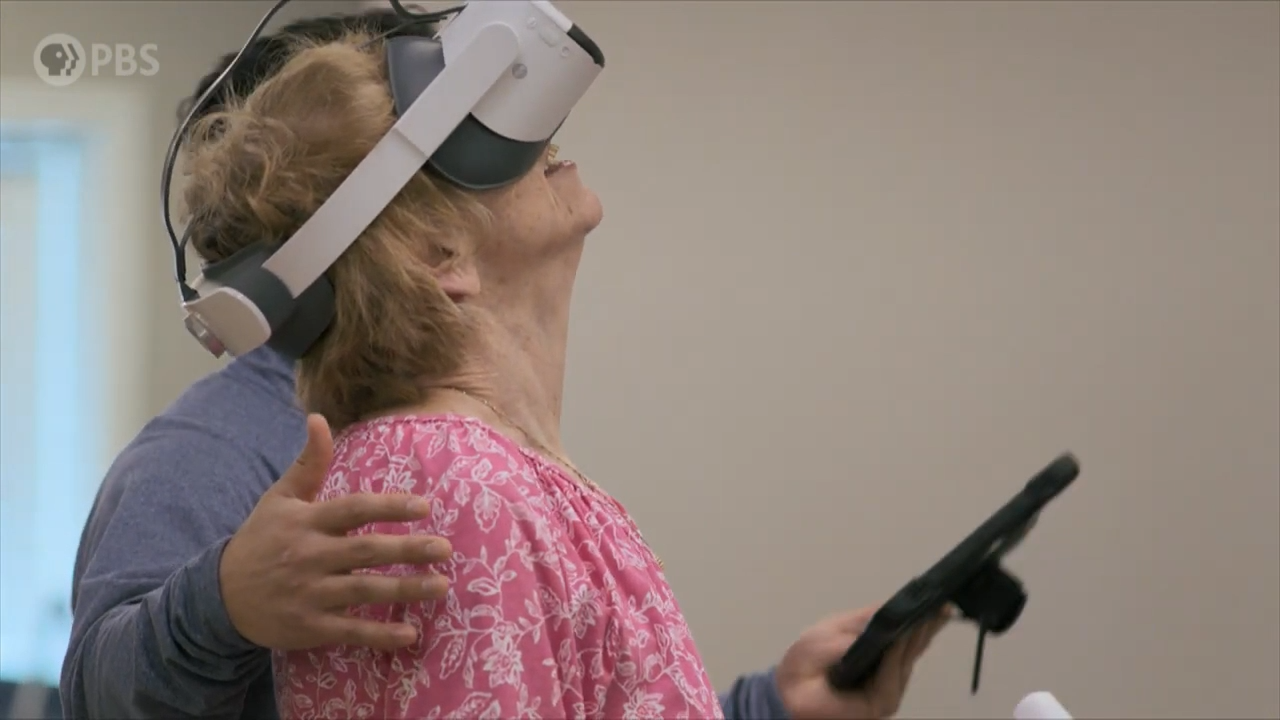
Neuro Rehab VR’s Smart Therapy™ solution is designed to support both therapists and patients by enhancing what happens during and after each session. Instead of relying only on observation, therapists can access real-time data on movement, performance, and progress. This allows for more precise adjustments and a deeper understanding of how a patient is improving over time.
For you as a patient, this means something important: progress becomes more visible. You are not just relying on how something feels, you can begin to see measurable changes in your performance. This can make therapy more engaging and help reinforce the connection between effort and improvement.
Research on virtual reality in rehabilitation shows that immersive therapy can improve engagement and functional outcomes, particularly in neurological populations (Laver et al.). At the same time, tools like AI-powered documentation reduce the administrative burden on therapists, allowing them to spend more time focused on patient care.
Why Understanding This Changes Your Experience
Once you start to understand what is really happening during a therapy session, your perspective begins to shift. You realize that every movement has purpose, every adjustment is intentional, and every challenge is part of a larger strategy.
This understanding can change how you approach therapy. Instead of simply completing tasks, you become more engaged in the process. You start to notice how your body responds, ask more questions, and recognize the progress you are making.
Therapy is not something being done to you, it is something being built with you.
The Partnership Behind Your Progress
At its core, therapy is a partnership. Your therapist brings knowledge, experience, and clinical reasoning. You bring effort, feedback, and lived experience. When these two things come together, meaningful progress happens.
Research consistently shows that patient-centered care leads to better outcomes and greater satisfaction (Levack et al.). That means your voice matters. Your experience matters. The way you feel during therapy matters.
Even small pieces of feedback can influence how your therapist adjusts your plan. This collaboration is what makes therapy effective.
Final Thought
What you see during a therapy session is only part of the story. Beneath every movement is a layer of thinking, adapting, and planning that is shaping your recovery in ways you may not realize.
The next time you step into a session, take a moment to look beyond the exercise. Notice the adjustments, the guidance, and the attention to detail. Because what may feel simple on the surface is actually a highly skilled and intentional process designed to help you move forward.
And understanding that might just change the way you experience your recovery.
-
Edwards, Ian, et al. “Clinical Reasoning Strategies in Physical Therapy.” Physical Therapy, vol. 84, no. 4, 1 Apr. 2004, pp. 312–330; discussion 331-335, pubmed.ncbi.nlm.nih.gov/15049726/.
Kleim, Jeffrey A., and Theresa A. Jones. “Principles of Experience-Dependent Neural Plasticity: Implications for Rehabilitation after Brain Damage.” Journal of Speech, Language, and Hearing Research, vol. 51, no. 1, 2008, https://doi.org/10.1044/1092-4388(2008/018).
Laver, Kate E, et al. “Virtual Reality for Stroke Rehabilitation.” Cochrane Database of Systematic Reviews, vol. 11, no. 11, 20 Nov. 2017, www.cochrane.org/CD008349/STROKE_virtual-reality-stroke-rehabilitation, https://doi.org/10.1002/14651858.cd008349.pub4.
Levack, William M., et al. “Goal Setting and Strategies to Enhance Goal Pursuit in Adult Rehabilitation: Summary of a Cochrane Systematic Review and Meta-Analysis.” European Journal of Physical and Rehabilitation Medicine, vol. 52, no. 3, 1 June 2016, pp. 400–416, pubmed.ncbi.nlm.nih.gov/26771917/.
Schmidt, Richard, and Tim Lee. Motor Learning and Performance. Human Kinetics, 18 Sept. 2019.
Sinsky, Christine, et al. “Allocation of Physician Time in Ambulatory Practice: A Time and Motion Study in 4 Specialties.” Annals of Internal Medicine, vol. 165, no. 11, 6 Sept. 2016, p. 753, www.acpjournals.org/doi/10.7326/M16-0961, https://doi.org/10.7326/m16-0961.
Taub, E., et al. “Constraint-Induced Movement Therapy: A New Family of Techniques with Broad Application to Physical Rehabilitation--a Clinical Review.” Journal of Rehabilitation Research and Development, vol. 36, no. 3, 1 July 1999, pp. 237–251, pubmed.ncbi.nlm.nih.gov/10659807/.
Uemura, Kazuki, et al. “Effects of Dual-Task Switch Exercise on Gait and Gait Initiation Performance in Older Adults: Preliminary Results of a Randomized Controlled Trial.” Archives of Gerontology and Geriatrics, vol. 54, no. 2, Mar. 2012, pp. e167–e171, https://doi.org/10.1016/j.archger.2012.01.002. Accessed 10 Sept. 2021.
White, Jennifer H., et al. “The Occupational Experience of Stroke Survivors in a Community Setting.” OTJR: Occupation, Participation and Health, vol. 28, no. 4, Sept. 2008, pp. 160–167, journals.sagepub.com/doi/abs/10.3928/15394492-20080901-05, https://doi.org/10.3928/15394492-20080901-05.
Wulf, Gabriele, and Rebecca Lewthwaite. “Optimizing Performance through Intrinsic Motivation and Attention for Learning: The OPTIMAL Theory of Motor Learning.” Psychonomic Bulletin & Review, vol. 23, no. 5, 29 Jan. 2016, pp. 1382–1414, https://doi.org/10.3758/s13423-015-0999-9.