
The Hidden Mental Decisions Physical Therapists Make Every Day
Written by: Brianna Hodge
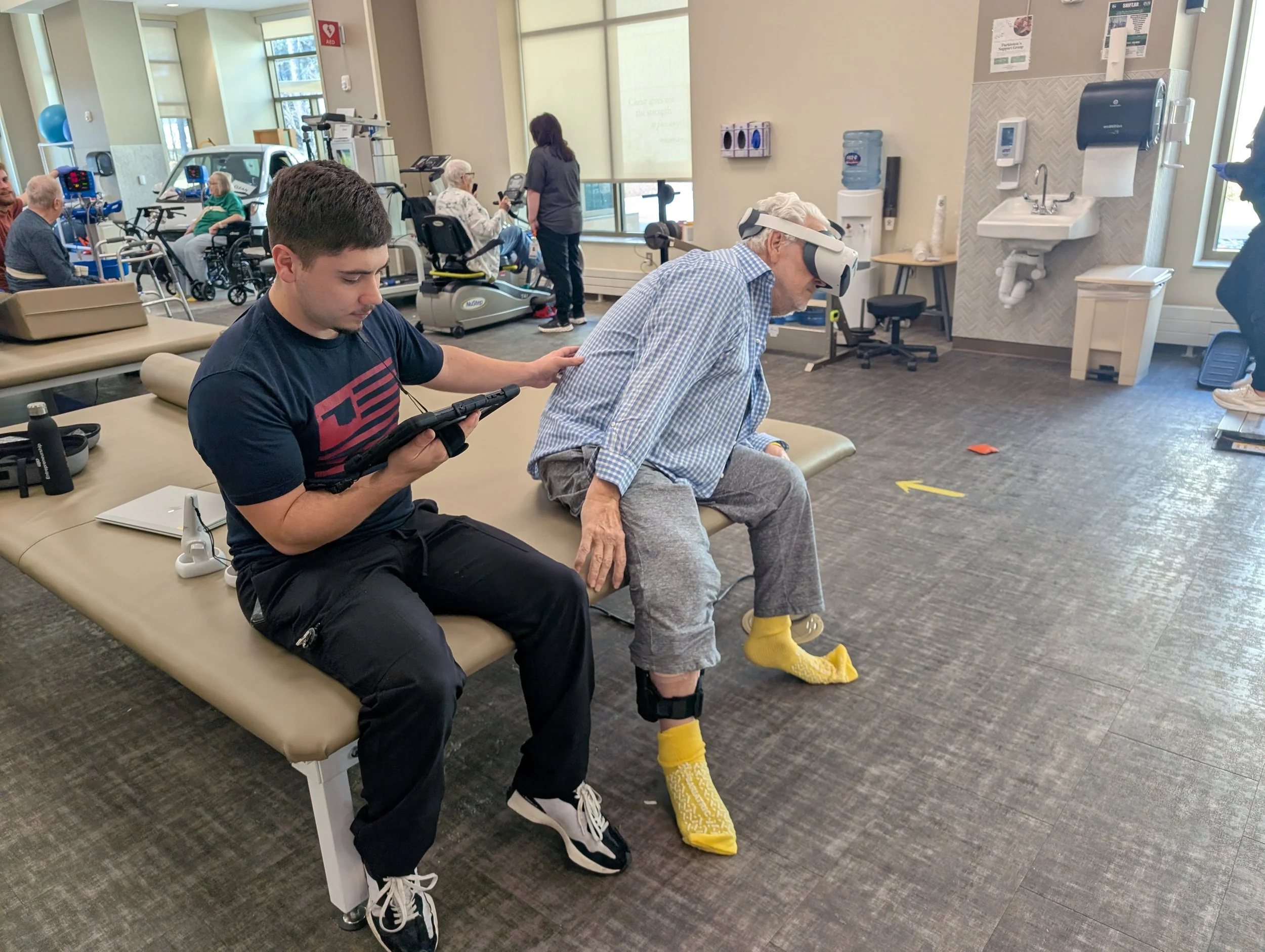
Physical therapy is often viewed as a hands-on profession centered around movement, strength, and rehabilitation exercises. From the outside, a therapy session may appear to follow a predictable structure: assessment, guided exercises, progression, and documentation. However, beneath this visible structure lies a constant stream of clinical reasoning that shapes every moment of patient care. Physical therapists rarely perform movements mechanically; instead, each action is guided by dozens of rapid judgments that occur throughout the day. These small judgments, often referred to as micro-decisions, determine when to progress an exercise, when to scale it back, how to interpret subtle movement patterns, and how to respond to a patient’s emotional state during recovery. Over the course of a single workday, therapists may make hundreds of these mental adjustments, each influencing both patient safety and rehabilitation outcomes.
Understanding this cognitive layer is essential because it highlights the intellectual complexity of rehabilitation practice. Therapists do not simply instruct patients through predetermined routines; they continuously interpret feedback from the body, the patient’s behavior, and the clinical environment. These interpretations shape treatment decisions that occur moment to moment during therapy sessions. Research on healthcare professions increasingly recognizes the cognitive load associated with continuous clinical decision-making, and physical therapy provides a clear example of how mental processes guide hands-on care. Examining the mental micro-decisions that occur throughout a therapist’s day reveals the depth of expertise required in modern rehabilitation and helps explain both the rewards and challenges of the profession.
Preparing the Mind Before the Session Begins
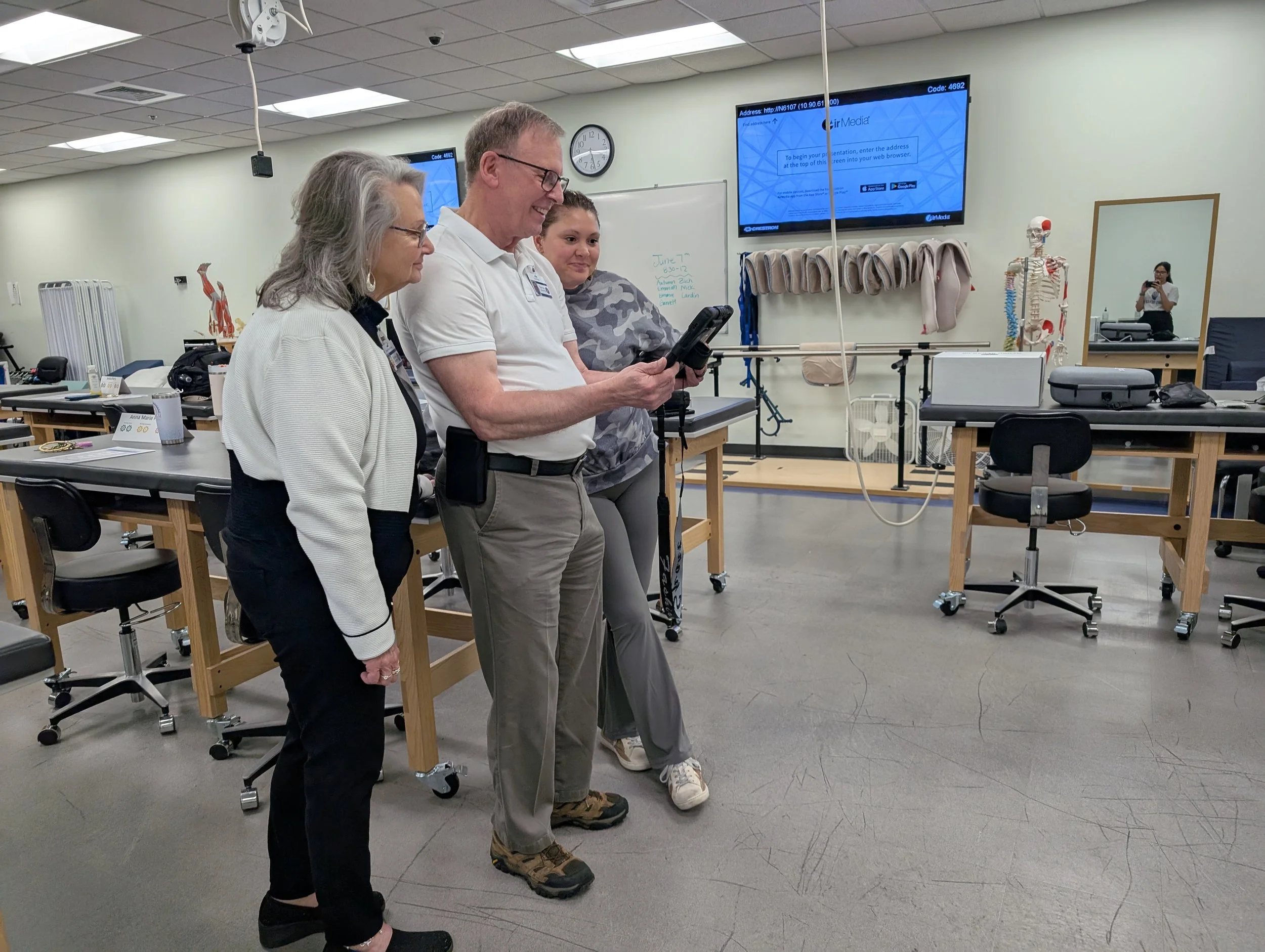
The cognitive work of a physical therapist begins long before the first patient arrives in the treatment room. Each day typically starts with reviewing schedules, recalling previous sessions, and anticipating how a patient’s condition may have evolved since the last appointment. This preparation stage requires therapists to mentally reconstruct patient histories and predict potential responses to treatment. Even small details from prior visits, such as a patient’s tolerance for weight-bearing exercises or their emotional response to challenging tasks, can influence the therapist’s expectations for the upcoming session. By the time a patient enters the clinic, the therapist has already begun forming hypotheses about how the session might unfold.
These anticipatory decisions are closely connected to the professional responsibilities defined within physical therapy practice. According to Northeastern University’s Bouve College of Health Sciences, physical therapists must evaluate movement dysfunction, design individualized rehabilitation programs, and continually reassess treatment effectiveness as patients progress through recovery (Communications). Each of these responsibilities requires therapists to engage in forward-thinking clinical reasoning before treatment even begins. The therapist must consider how today’s session fits within the broader rehabilitation timeline, balancing short-term improvements with long-term functional goals.
This preparatory stage illustrates how physical therapy operates as a dynamic problem-solving process rather than a static set of interventions. A therapist may begin the day expecting to progress a patient’s exercises, but that expectation can quickly change once the patient arrives and demonstrates new symptoms or movement patterns. By mentally preparing in advance, therapists create a flexible framework that allows them to adapt their decisions in response to real-time observations.

Observational Reasoning During Patient Interaction
Once the patient enters the treatment environment, observation becomes the therapist’s primary source of clinical information. Experienced therapists develop the ability to notice subtle details in posture, gait, and body mechanics that may reveal changes in a patient’s condition. These observations occur continuously throughout a session and guide the therapist’s decision-making process. For example, the way a patient rises from a chair, distributes weight across their lower extremities, or reaches for support during walking can provide immediate clues about pain levels, muscle activation, and confidence in movement.
Research examining the work demands placed on physical therapists highlights the importance of this observational reasoning. A study analyzed workplace demands among physical therapists and found that clinicians must constantly monitor patient performance while simultaneously delivering treatment instructions and ensuring safety (Muaidi and Shanb). The study noted that therapists frequently manage several layers of cognitive processing at once, including interpreting movement patterns, modifying exercise parameters, and communicating feedback to patients. This simultaneous processing places therapists in a position where decisions must be made quickly and confidently, often based on subtle cues observed during movement.
Observational reasoning therefore becomes a central component of the therapist’s daily cognitive workload. Rather than relying solely on formal measurements, therapists interpret real-time behavioral and biomechanical information to guide treatment progression. These observations enable clinicians to identify both improvements and warning signs during rehabilitation, ensuring that exercises remain challenging enough to promote recovery while still protecting patients from injury.

Emotional Intelligence and Patient Motivation
While biomechanics play a significant role in therapy sessions, emotional and psychological factors are equally influential in determining patient progress. Recovery from injury or neurological conditions often involves frustration, fear, and uncertainty, and therapists must constantly evaluate how these emotional factors affect a patient’s ability to engage in therapy. The therapist’s response to these emotional signals can shape the trajectory of rehabilitation, influencing both patient motivation and adherence to treatment plans.
In many cases, therapists must determine whether hesitation during an exercise reflects physical discomfort or a lack of confidence. This distinction requires emotional intelligence as well as clinical expertise. A therapist may decide to adjust the difficulty of an exercise to rebuild a patient’s confidence or may provide additional encouragement to help the patient overcome psychological barriers. These decisions are subtle but critical because they directly affect the patient’s willingness to continue participating in therapy.
The emotional dimension of rehabilitation reinforces the idea that physical therapy extends beyond physical movement alone. Therapists frequently serve as educators, motivators, and guides throughout the recovery process. By recognizing emotional cues and responding appropriately, therapists create an environment where patients feel supported while still being challenged to improve. These emotional micro-decisions play a key role in maintaining patient engagement over the long course of rehabilitation.
The Continuous Adjustment of Treatment Plans
Even when a therapy session begins with a well-structured plan, the reality of rehabilitation often requires constant modification. Physical therapy interventions must remain flexible because patient responses to treatment can vary significantly from one day to the next. A patient may demonstrate improved strength or coordination that allows the therapist to progress exercises more quickly than anticipated. Conversely, fatigue, pain, or external stressors may require the therapist to modify the session and focus on foundational movements instead of progression.
This process of continuous adjustment reflects the adaptive nature of clinical expertise. Therapists observe how patients respond to specific interventions and immediately modify treatment strategies based on those responses. Each modification becomes another micro-decision that influences the direction of the session. For example, a therapist might increase resistance during strengthening exercises if the patient demonstrates improved control, or they might introduce balance challenges if stability has improved.
The ability to adjust treatment in real time distinguishes experienced therapists from novice practitioners. Clinical expertise develops through repeated exposure to patient variability and the gradual refinement of decision-making skills. Over time, therapists learn to recognize patterns in movement and recovery, allowing them to make increasingly accurate predictions about patient outcomes.
Cognitive Load and Burnout in the Physical Therapy Profession
The constant mental engagement required in physical therapy contributes to the profession’s cognitive workload. Therapists must simultaneously monitor patient safety, analyze movement patterns, communicate instructions, and document clinical outcomes. Over time, these overlapping responsibilities can create significant mental fatigue. Research examining stress levels among physical therapy professionals highlights how continuous decision-making contributes to workplace burnout.
A study examining the prevalence of stress and burnout among physical therapist clinical instructors found that clinicians often experience emotional exhaustion due to the combination of patient care responsibilities and additional teaching obligations (Pontiff et al.). The researchers reported that the mental demands of supervising students, managing patient caseloads, and maintaining documentation standards can place considerable strain on therapists. Although the study focused specifically on clinical instructors, the findings reflect broader challenges within the profession.
This research suggests that the cognitive demands of therapy are an important factor in understanding therapist well-being. The mental micro-decisions that occur throughout the day require sustained concentration and emotional engagement. While these decisions are essential for delivering high-quality care, they also highlight the importance of supportive work environments and tools that can reduce unnecessary administrative burdens.
Therapists as Role Models for Physical Health
Physical therapists often serve as role models for the health behaviors they promote in their patients. Their professional identity is closely tied to the concept of movement as a foundation for well-being. As a result, many therapists maintain active lifestyles that reinforce the principles they teach during therapy sessions.
The study “Do As I Do: Exercise Habits of Physical Therapists, Physical Therapist Assistants, and Student Physical Therapists” examined exercise participation among professionals within the field (Chevan and Haskvitz). The research found that therapists frequently engage in regular physical activity, often exceeding the activity levels of the general population. These findings suggest that therapists not only advocate for movement but also incorporate it into their personal lives.
This connection between personal health and professional practice can influence patient perceptions. When patients observe their therapist demonstrating exercises confidently and discussing the benefits of movement with enthusiasm, it reinforces the credibility of the therapeutic process. The therapist becomes both a clinician and an example of how movement can support long-term health.
Technology and the Evolving Support of Clinical Decision-Making
As healthcare technology continues to evolve, new tools are emerging that can support therapists in managing the cognitive demands of rehabilitation. Digital platforms capable of tracking movement data, recording therapy sessions, and analyzing patient performance provide clinicians with additional insights that complement observational reasoning. These technologies allow therapists to measure progress more objectively and adjust treatment strategies based on quantifiable information.
The integration of technology does not replace clinical expertise. Instead, it provides therapists with additional resources that enhance decision-making. Data-driven insights can help therapists identify patterns that may not be immediately visible during observation alone. By combining clinical judgment with technological feedback, therapists can refine their treatment approaches and better understand how patients respond to rehabilitation interventions.
The Role of Neuro Rehab VR in Supporting Therapist Workflows
Innovations such as Neuro Rehab VR’s Smart Therapy™ Complete Solution illustrate how technology can assist therapists in managing both clinical and administrative responsibilities. The system incorporates immersive therapy environments designed to encourage patient engagement while also capturing performance data during treatment sessions. These environments allow patients to perform functional movements within interactive scenarios, which can increase motivation and repetition during therapy exercises.
From the therapist’s perspective, immersive therapy platforms provide an additional layer of feedback that can support clinical decision-making. By observing how patients interact with virtual tasks, therapists gain insights into balance control, coordination, and movement confidence. This information can inform adjustments to treatment plans and help therapists determine when a patient is ready for progression.
Another important feature of modern rehabilitation platforms is the integration of AI-assisted documentation tools. Documentation remains one of the most time-consuming aspects of clinical practice, and therapists often spend significant time reconstructing session details after treatment has concluded. Automated documentation systems can streamline this process by capturing relevant treatment data during the session itself. By reducing administrative workload, these systems allow therapists to focus more fully on patient care and clinical reasoning.
Reflecting on the Invisible Work of Rehabilitation
The daily work of a physical therapist extends far beyond guiding patients through exercises. Every session involves a complex network of mental micro-decisions that influence how therapy unfolds. These decisions arise from careful observation, emotional awareness, and clinical experience developed over years of practice. While patients may remember the exercises they performed, they often remain unaware of the continuous decision-making process that shaped those exercises.
Recognizing the cognitive dimension of therapy highlights the intellectual depth of the profession. Therapists operate at the intersection of science, movement, and human connection, using their expertise to guide patients through recovery. Each micro-decision contributes to a larger goal: helping individuals regain independence, confidence, and quality of life.
Understanding this invisible work also underscores the importance of supporting therapists through research, technology, and professional development. As rehabilitation continues to evolve, tools that reduce administrative burdens and enhance clinical insight can help therapists focus on what matters most, helping patients move forward in their recovery journeys.
-
Chevan, J., and E. M. Haskvitz. “Do as I Do: Exercise Habits of Physical Therapists, Physical Therapist Assistants, and Student Physical Therapists.” Physical Therapy, vol. 90, no. 5, 18 Mar. 2010, pp. 726–734, https://doi.org/10.2522/ptj.20090112. Accessed 29 Apr. 2019.
Communications, Bouvé. “The Role of a Physical Therapist: 4 Responsibilities.” Bouvé College of Health Sciences, 4 June 2023, bouve.northeastern.edu/news/the-role-of-a-physical-therapist-4-responsibilities/.
Jnathanson. “A Day in the Life of a Physical Therapist Loving Their Job.” MAS Medical Staffing, 25 Sept. 2018, www.masmedicalstaffing.com/blog/a-day-in-the-life-of-a-physical-therapist/.
Muaidi, Qassim I., and Alsayed A. Shanb. “Effects of Work Demands on Physical Therapists in the KSA.” Journal of Taibah University Medical Sciences, vol. 11, no. 1, Feb. 2016, pp. 56–62, www.sciencedirect.com/science/article/pii/S1658361216000056, https://doi.org/10.1016/j.jtumed.2015.12.004.
Pontiff, Ryan J., et al. “Prevalence of Stress and Burnout in Physical Therapist Clinical Instructors.” Journal of Physical Therapy Education, 18 Dec. 2024, https://doi.org/10.1097/jte.0000000000000386.