Simple Ways Immersive Relaxation Helps Rehab Patients Reset
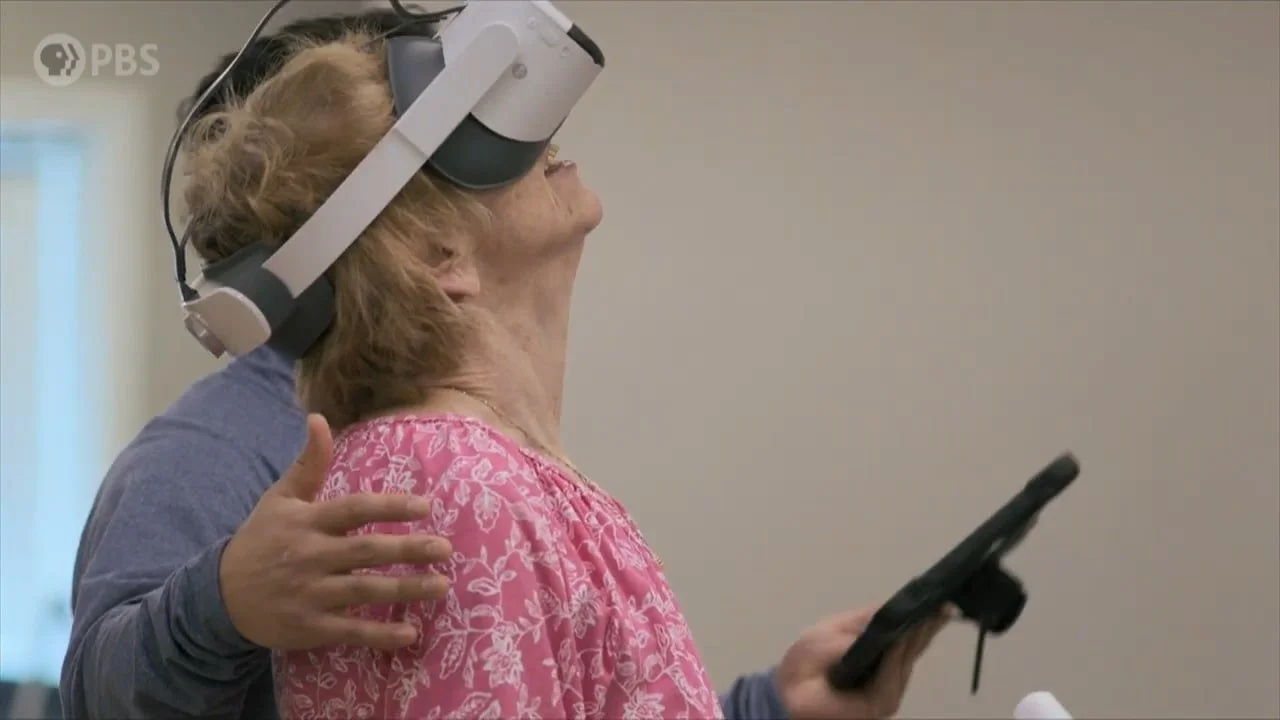
Every October 10, World Mental Health Day gives us a reason to pause and talk about something rehab professionals deal with every single day, often without ever naming it. I have spent years as a physical therapist, and if the job has taught me one thing, it is that recovery never happens from the neck down.
My patients bring their worries, their frustration and their fear into every session right alongside the injury or diagnosis that brought them to me, and those feelings shape how hard they are willing to push and how often they come back.
Earlier this year, our team wrote about why emotional well-being and physical recovery are so closely connected. I want to pick up where that post left off and get more practical.
Below, I'll walk through the two Smart Therapy™ experiences I reach for when a session needs to slow down for a moment, Haven and Relaxation Station, and share how and when I actually use them with patients.
Why a calm moment belongs in a rehab session
If you have worked in a clinic for any length of time, you know the moment I'm talking about. A patient misses a step during gait training for the third time in a row, and you can see their shoulders tighten and their jaw set. Someone's pain flares halfway through a set of reaches, and suddenly every movement looks guarded. A patient who has been chatting all session goes quiet right before a transfer they are afraid of. Or it is simply late in a long session, fatigue has set in, and their focus is drifting away from you.
Early in my career, my instinct was to push through those moments, encourage harder and keep the session moving. What I've learned since is that pushing rarely helps when someone is overwhelmed. A short reset usually does far more good, even if it is just a few minutes to slow their breathing, settle their attention and give them a chance to come back to the task feeling ready instead of defeated.
The hard part has always been having that reset ready without stopping the session or sending the patient out of the room. That is why I value having Haven and Relaxation Station inside the same headset my patients are already wearing. The reset becomes part of the therapy instead of a break from it, and we can move right back into active work the moment the patient is ready.

Meet Haven
Haven is a peaceful natural world with four different ways to work: Free Roam, Guided Breathing, Fishing and an Auditory Exercise. Each one is calm by design, but calm does not mean passive. Several of the modes still ask patients to focus, coordinate and move, which means we can keep working toward their therapy goals even while the pace of the session slows down.
-
In Free Roam, patients explore peaceful terrain at their own pace, come across wildlife along the way and stop for breathing exercises whenever they like. There is no score to chase, no timer running and no wrong turn to take, and that is exactly the point.
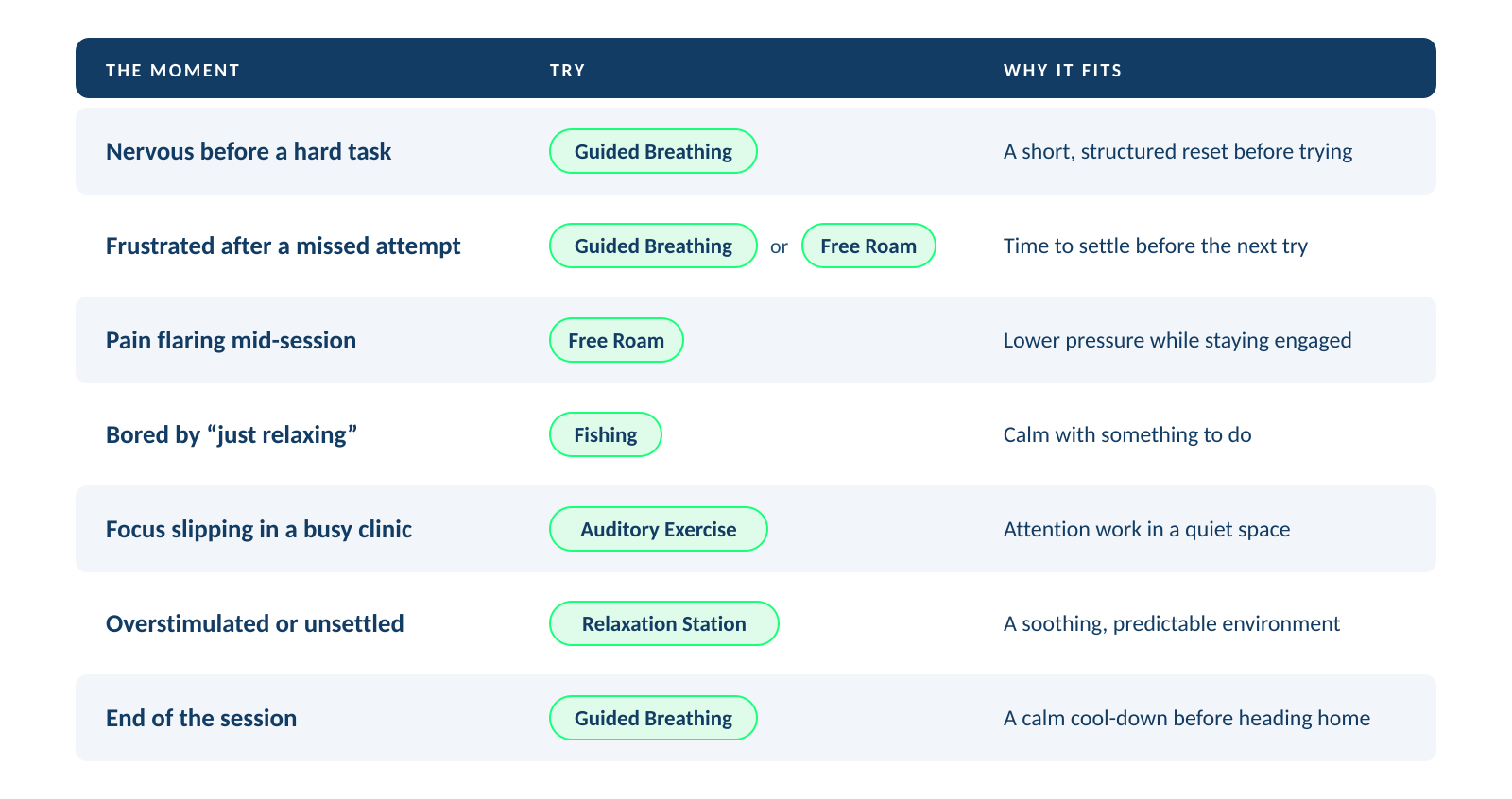
After a stroke, a serious injury or a long hospital stay, so much of a patient's day is decided for them. Someone else sets their schedule, their exercises and often their meals. Letting a patient choose where to walk next, even in a virtual world, hands back a small but meaningful sense of control. I tend to use Free Roam as a lower-pressure stretch of the session for patients who are dealing with pain or who seem overwhelmed, because it keeps them engaged without asking them to perform.
-
Guided Breathing walks patients through box breathing, a simple pattern of breathing in, holding, breathing out and holding again, each for the same count. Most of my patients have been told to "just take a deep breath" more times than they can remember, and in a stressful moment it is hard to know how. Instead of counting in their heads, they follow visual pacing cues while calming nature scenery surrounds them, which makes it much easier to stay with the rhythm.
Because it only takes a few minutes, Guided Breathing fits naturally into a session in several places. I often use it right before a demanding task, like a transfer or a balance challenge the patient has been nervous about. It is just as useful right after a frustrating attempt, to help the patient settle before trying again. And at the end of a session, it makes a calm cool-down, so patients leave feeling steady instead of drained.
-
At a quiet lakeside, patients cast a line, track it on the water and reel in their catch. The activity combines relaxation with sustained attention and hand-eye coordination, so there is real therapeutic work happening underneath the calm.
Plenty of my patients have told me that sitting still and "just relaxing" is harder for them than any exercise I could give them. For those patients, Fishing is a great fit. It gives their hands and their attention something to do, so the calm comes from being absorbed in an activity rather than from being asked to switch off, and they never feel like therapy has stopped.
-
In the Auditory Exercise, patients listen for sounds and work out where they are coming from in a full 360° environment. It trains sustained attention and auditory processing, and it does so in a quiet setting with no time pressure.
That combination makes it especially useful for patients who are working on attention but get overwhelmed by the noise and activity of a busy clinic. I also like it as a next step after a breathing reset, when I want to bring a patient's focus back up gradually before we return to more demanding work.

Meet Relaxation Station
Relaxation Station is a collection of calming sensory environments designed to promote relaxation and regulation. Where Haven invites patients to do something, Relaxation Station simply invites them to settle in, and for some patients that is exactly what the moment calls for.
Clinics use it across pain management, dementia care and sensory processing. In my own sessions, I think of it for patients who become overstimulated, who need a predictable and soothing space, or who just aren't ready for an active task yet. A few minutes in Relaxation Station can help a patient regulate so we can pick the session back up together.
Matching the activity to the moment
Part of using these tools well is choosing the right one for the patient in front of you, and that choice always comes down to clinical judgment. To make it a little easier, here is a quick guide to how I tend to match each activity to the moments that come up most often in a session.
The therapist stays in control
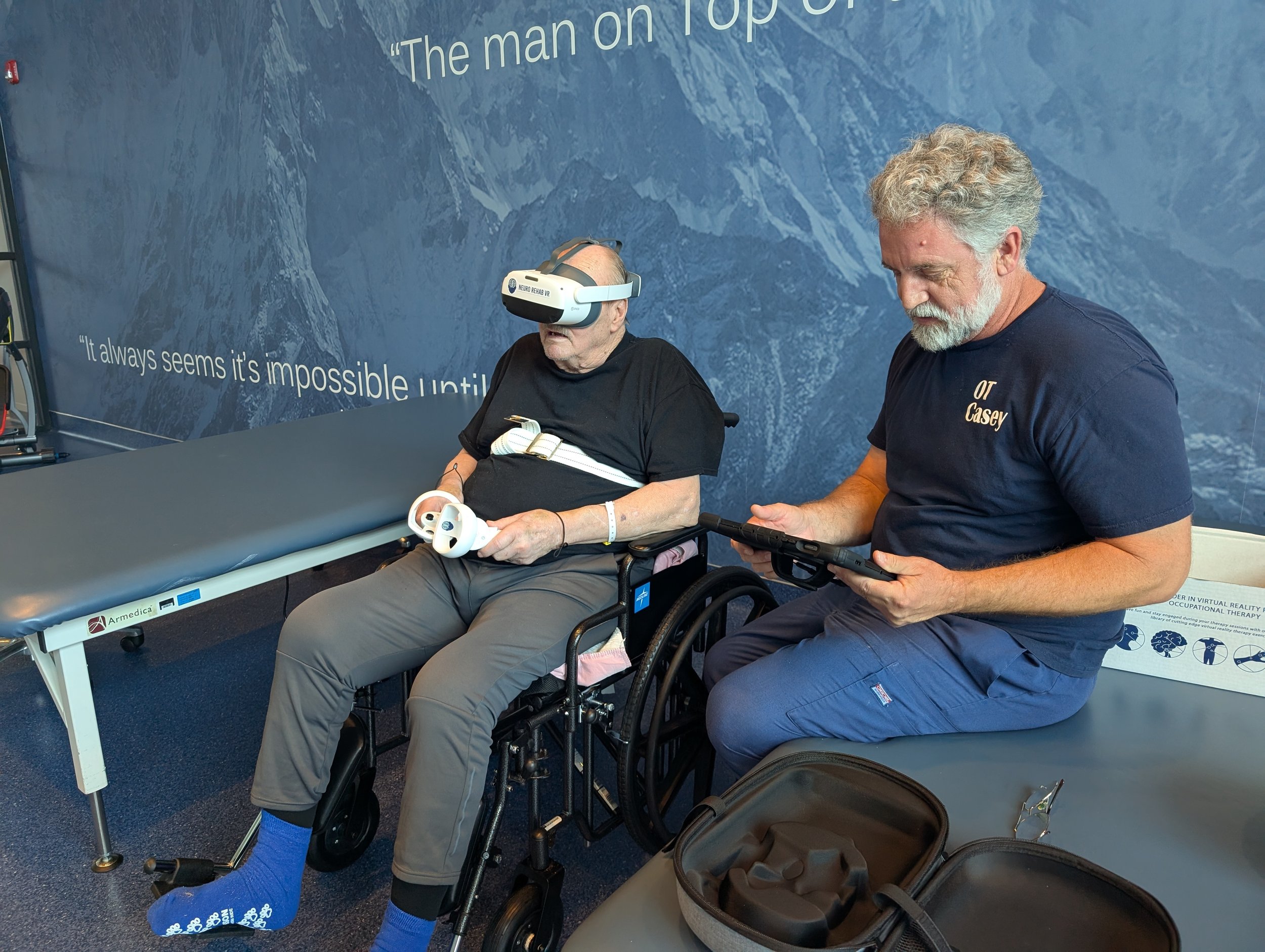
None of these experiences run on autopilot, and that matters to me as a clinician. While my patient wears the headset, I use the tablet to see exactly what they see and adjust the experience in real time. The goal is the same as with any other part of therapy: find the level that is challenging but doable, and keep adjusting as the patient responds.
I also decide when a reset starts, how long it lasts and when it is time to get back to active work. Haven and Relaxation Station are tools, and like any tool, they work best in skilled hands. They are not a replacement for mental health treatment, and when a patient needs that kind of support, the right step is a referral. What they do give me is a reliable way to make room for the emotional side of recovery without losing the momentum of the session.
Room to breathe is part of recovery
This World Mental Health Day, I want to say thank you to my fellow physical therapists, occupational therapists and every clinician who cares for the whole person. You notice the frustration behind a missed step and the fear behind a hesitation, and you make room for both, often without anyone seeing it. I'm proud to be part of a team at Neuromersive that builds tools to support that work.
If you would like to see Haven and Relaxation Station in action, reach out to schedule a demo for your clinic.