
Using Immersive Technology to Support Mental Wellness and Recovery
Written by: Brianna Hodge
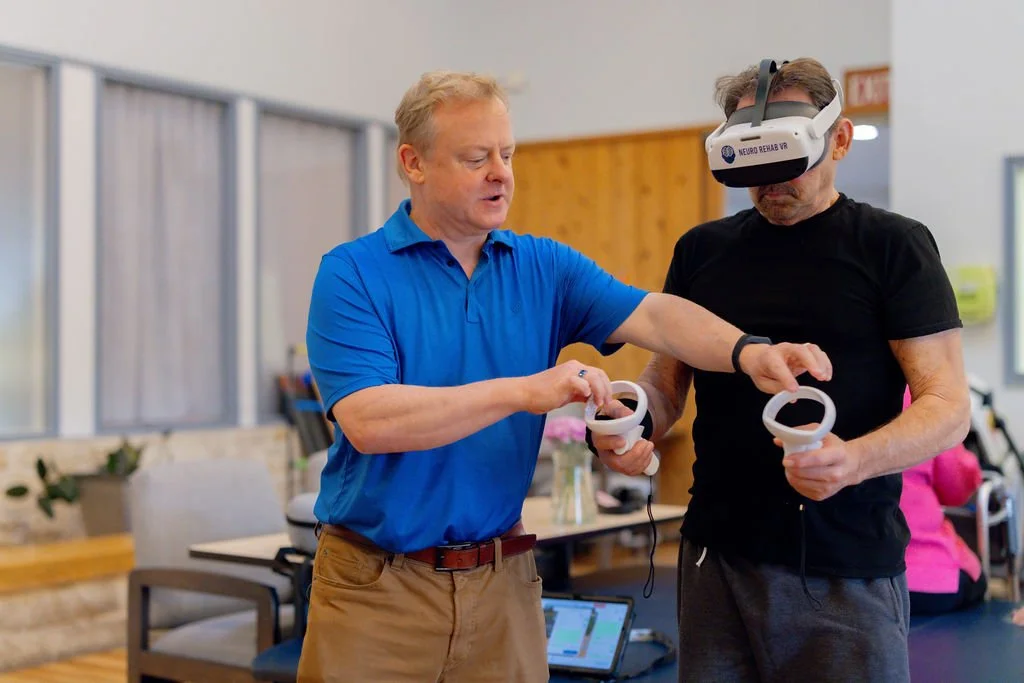
When most people think about rehabilitation, they picture physical progress. They think about standing after a stroke, walking after surgery, regaining balance after a fall, improving strength after an injury, or relearning daily activities after a neurological diagnosis. These milestones are important, and they are often the outcomes clinicians measure and families celebrate. Yet anyone who has spent time working in rehabilitation knows that recovery involves much more than physical function alone.
Every patient arrives at therapy carrying experiences that cannot be measured with a goniometer or documented in a balance assessment. Some are worried about whether they will ever return to work. Others are frustrated by the loss of independence they once took for granted. Many are navigating anxiety, fear of falling, uncertainty about the future, or feelings of isolation that developed after a life-changing event. Physical limitations are often the visible part of recovery, but emotional challenges frequently determine how patients engage with therapy and whether they feel empowered to continue pushing forward.
Mental Health Awareness Month offers an opportunity to recognize something rehabilitation professionals witness every day: emotional well-being and physical recovery are deeply connected. When patients feel motivated, confident, and engaged, they are often more willing to participate in therapy, attempt challenging activities, and stay committed to their goals. When they feel discouraged, anxious, or overwhelmed, progress can become much more difficult. As research continues to explore the relationship between mental health and rehabilitation outcomes, virtual reality is emerging as a valuable tool that supports not only physical recovery but also engagement, motivation, and emotional well-being throughout the rehabilitation journey.

The Emotional Side of Rehabilitation Is Often Overlooked
Recovery can be an emotional experience, regardless of the diagnosis. A stroke survivor may be grieving the sudden loss of abilities they once performed without thinking. An individual recovering from a traumatic brain injury may feel uncertain about returning to work or resuming family responsibilities. Someone who has experienced a serious fall may become fearful of walking independently, even after their physical abilities begin to improve. Patients living with chronic pain often develop anxiety around movement because they associate activity with discomfort and setbacks.
These experiences are not uncommon. A significant injury, illness, or neurological event can affect far more than the body. It can change routines, relationships, independence, and confidence. Activities that once seemed simple; driving, cooking, grocery shopping, exercising, or caring for family members, may suddenly feel overwhelming. As a result, many patients experience frustration, sadness, stress, or self-doubt during the recovery process.
Researchers have long recognized the connection between mental health and rehabilitation outcomes. A review found that emotional and psychological factors play a substantial role in recovery and quality of life following health-related challenges. The authors emphasized that anxiety, fear, and negative expectations can influence behavior, participation, and overall well-being, making emotional support an important component of healthcare interventions (Bell et al.).
For rehabilitation professionals, these findings reinforce what many have already observed in practice. Recovery is rarely limited by physical abilities alone. Sometimes the greatest barriers are the doubts patients carry about what they can accomplish.
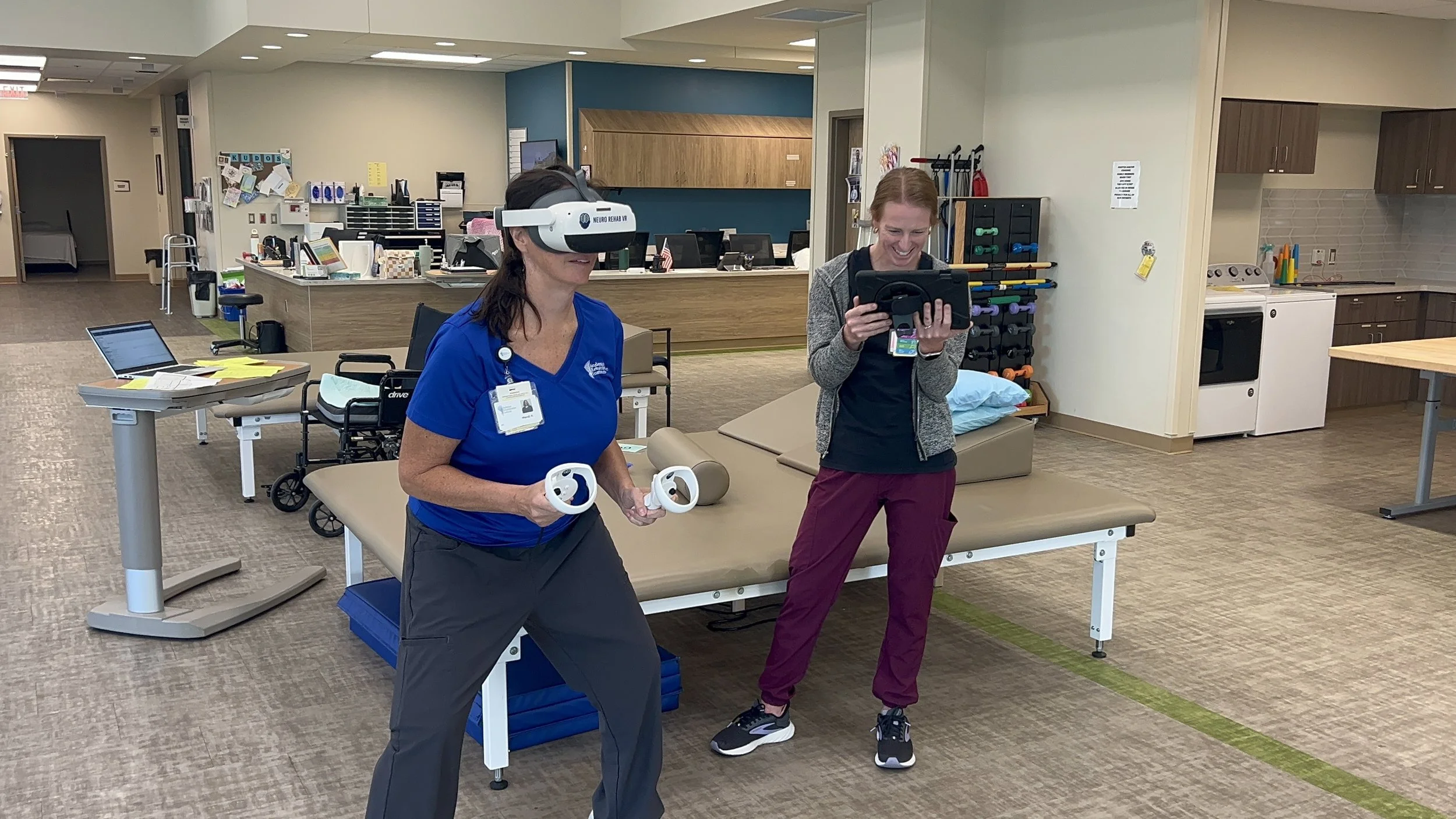
Why Mental Health Directly Influences Recovery Outcomes
When clinicians discuss successful rehabilitation, they often focus on repetition, task-specific training, motor learning, and neuroplasticity. While these principles remain fundamental, they all depend on one critical factor: patient participation.
Recovery requires effort, consistency, and engagement. Patients must be willing to attempt difficult movements, tolerate setbacks, and continue practicing skills over time. This becomes significantly more challenging when someone feels discouraged, anxious, or disconnected from the therapeutic process.
Mental health can influence every stage of rehabilitation. Individuals experiencing depression may struggle with motivation. Patients dealing with anxiety may avoid activities they perceive as risky. Those who lack confidence may become hesitant to attempt movements they are physically capable of performing. Over time, these emotional barriers can reduce participation and limit opportunities for progress.
Research increasingly suggests that confidence and self-efficacy, the belief that one can successfully complete a task, play an important role in recovery. Patients who believe improvement is possible are often more likely to engage fully in treatment and remain committed to their goals. Those who focus primarily on limitations may be less likely to challenge themselves or persist through difficult stages of rehabilitation.
This does not mean clinicians must become mental health professionals. It means creating therapeutic environments that encourage engagement, confidence, and positive experiences can have a meaningful impact on physical outcomes. As rehabilitation continues evolving toward a more holistic approach, supporting emotional well-being is becoming an increasingly important part of patient care.

How Smart Therapy Creates More Meaningful Therapy Experiences
One reason virtual reality has generated so much interest within rehabilitation is its ability to transform how patients experience therapy. Traditional rehabilitation exercises are effective, but they can sometimes become repetitive over the course of weeks or months of treatment. Patients may perform similar tasks in the same environment repeatedly, making it difficult to maintain enthusiasm and engagement over time.
Virtual reality introduces something different. Instead of focusing exclusively on the exercise itself, patients become immersed in an experience. They may be navigating a virtual environment, completing meaningful tasks, interacting with objects, or participating in activities that resemble real-world situations. The movement remains therapeutic, but the experience often feels more purposeful and engaging.
Researchers interviewed by Northeastern University noted that immersive technology can help patients focus on completing meaningful activities rather than concentrating solely on limitations or impairments. By shifting attention toward achievable goals and interactive experiences, virtual reality may encourage greater participation and motivation throughout rehabilitation (Mello-Klein).
For clinicians, this increased engagement is valuable because it supports one of the most important drivers of recovery: active participation. When patients are invested in what they are doing, they are often willing to perform more repetitions, maintain focus for longer periods, and participate more enthusiastically in therapeutic activities.
What Research Says About Virtual Reality and Mental Health
The relationship between virtual reality and mental health has become an increasingly active area of research. While early studies often focused on physical outcomes, more recent investigations have explored how immersive environments influence emotional well-being, stress, anxiety, and patient engagement.
A systematic review published on JMIR examined the use of virtual reality interventions across various mental health applications and found promising results related to engagement, emotional involvement, user satisfaction, and therapeutic effectiveness (Pira et al.). The authors noted that immersive environments can create highly engaging experiences that encourage participation and sustained involvement.
These findings are particularly relevant to rehabilitation because engagement remains one of the strongest predictors of therapeutic success. Patients who are emotionally invested in treatment are often more likely to remain consistent and actively participate throughout their recovery journey.
Researchers have also explored how immersive technologies influence emotional regulation and anxiety. According to Stanford University, virtual reality has demonstrated potential as a tool for relaxation, mindfulness, and stress management by providing immersive experiences that help individuals focus attention away from stressors and toward calming environments (McIntyre).
Similarly, a review published through Nature Medicine, highlighted growing evidence supporting virtual reality applications that improve patient experiences, increase engagement, and contribute to emotional well-being across healthcare settings (May).
Collectively, these findings suggest that virtual reality may offer benefits that extend beyond traditional physical rehabilitation outcomes. By influencing how patients feel during therapy, immersive experiences may create conditions that support greater participation, confidence, and overall satisfaction with treatment.
Building Confidence Through Successful Experiences
One of the most powerful aspects of rehabilitation is helping patients rediscover what they are capable of doing. Confidence often disappears quickly after an injury, illness, or neurological event. Patients may begin to question their abilities, avoid challenging situations, or focus on what they have lost rather than what they can regain.
Rebuilding confidence requires more than encouragement. It requires opportunities for success.
Virtual reality can create those opportunities by placing patients in engaging environments where they can accomplish meaningful tasks and experience progress firsthand. Whether navigating a virtual grocery store, participating in a balance challenge, practicing functional reaching activities, or exploring a new environment, patients receive immediate feedback and visible evidence of their achievements.
These experiences may seem simple, but they carry significant psychological value. Every successful interaction reinforces a sense of capability and accomplishment. Over time, repeated success can help patients develop greater confidence in their abilities and become more willing to participate in increasingly challenging activities.
Researchers have suggested that immersive virtual environments provide controlled and supportive settings where individuals can safely engage with tasks and challenges while building confidence through positive experiences (Bell et al.). For rehabilitation populations, this can be especially meaningful because confidence often serves as a bridge between clinical progress and real-world independence.
Supporting Mental Wellness Through Smart Therapy™
At Neuro Rehab, we recognize that rehabilitation involves more than restoring movement alone. Recovery is most effective when patients feel engaged, motivated, and connected to meaningful goals.
Our Smart Therapy™ Complete Solution was designed to support that philosophy by combining evidence-based rehabilitation with immersive experiences that encourage active participation. Applications such as Retail Therapy, Life Sim, Explore, Rhythm, and other therapeutic activities allow patients to practice meaningful movements within engaging virtual environments that mirror real-world situations and activities of daily living.
Rather than focusing exclusively on repetitive exercises, patients can participate in experiences that feel purposeful and relevant to their everyday lives. This often helps increase engagement while supporting the repetition and task-specific practice necessary for recovery.
Smart Therapy™ also includes Relaxation Station, an immersive application designed to promote mindfulness, guided breathing, relaxation, and stress reduction. These calming environments provide clinicians with additional tools to support emotional well-being during rehabilitation sessions. While not intended to replace mental health treatment, they can help create moments of relaxation and emotional decompression that complement broader rehabilitation goals.
By combining immersive therapy, objective performance tracking, and AI-powered documentation tools, Smart Therapy™ helps clinicians focus more time on patient interactions while creating engaging rehabilitation experiences that support both physical and emotional recovery.
Treating the Whole Person, Not Just the Diagnosis
Mental Health Awareness Month serves as an important reminder that every patient is more than a diagnosis, impairment, or treatment plan. Behind every rehabilitation goal is a person adapting to change, overcoming challenges, and working toward a future that may look different from what they originally expected.
Successful rehabilitation has always required more than physical interventions alone. It requires empathy, encouragement, meaningful engagement, and an understanding that emotional well-being influences how patients approach recovery. As research continues to highlight the connection between mental health and rehabilitation outcomes, clinicians have new opportunities to support patients in ways that address both physical and emotional needs.
Virtual reality is helping advance that vision by creating experiences that encourage participation, build confidence, reduce stress, and make therapy more engaging. While technology will never replace the expertise and compassion of rehabilitation professionals, it can serve as a valuable tool that helps patients remain motivated and invested in their recovery journey.
Because at the end of the day, rehabilitation is not simply about helping someone move better. It is about helping them feel capable, confident, and hopeful about what comes next.
-
Bell, Imogen, et al. “Virtual Reality as a Clinical Tool in Mental Health Research and Practice.” Dialogues in Clinical Neuroscience, vol. 22, no. 2, 22 June 2020, pp. 169–177, www.ncbi.nlm.nih.gov/pmc/articles/PMC7366939/, https://doi.org/10.31887/dcns.2020.22.2/lvalmaggia.
McIntyre, Angela. “Extending the Reach of Health Care with Virtual Reality (VR) and Augmented Reality (AR).” Chemical Engineering, Stanford University, 2025, cheme.stanford.edu/extending-reach-health-care-virtual-reality-vr-and-augmented-reality-ar.
May, Mike. “How Virtual Reality Therapy Is Shaping Mental Health.” Nature.com, 3 June 2024, www.nature.com/immersive/d41591-024-00032-2/index.html.
Mello-Klein, Cody. “Is vr the Future of Physical Therapy? Researchers and Physical Therapists Say It Has Promise – and Challenges.” Northeastern Global News, 2 Dec. 2024, news.northeastern.edu/2024/12/02/vr-physical-therapy-rehabilitation/.
Pira, Giorgio Li , et al. “The Use of Virtual Reality Interventions to Promote Positive Mental Health: Systematic Literature Review.” JMIR Mental Health, vol. 10, 6 July 2023, pp. e44998–e44998, www.ncbi.nlm.nih.gov/pmc/articles/PMC10360019/, https://doi.org/10.2196/44998.