
From Low Endurance to Real Engagement: A unique Approach to Rehabilitation
Written by: Brianna Hodge
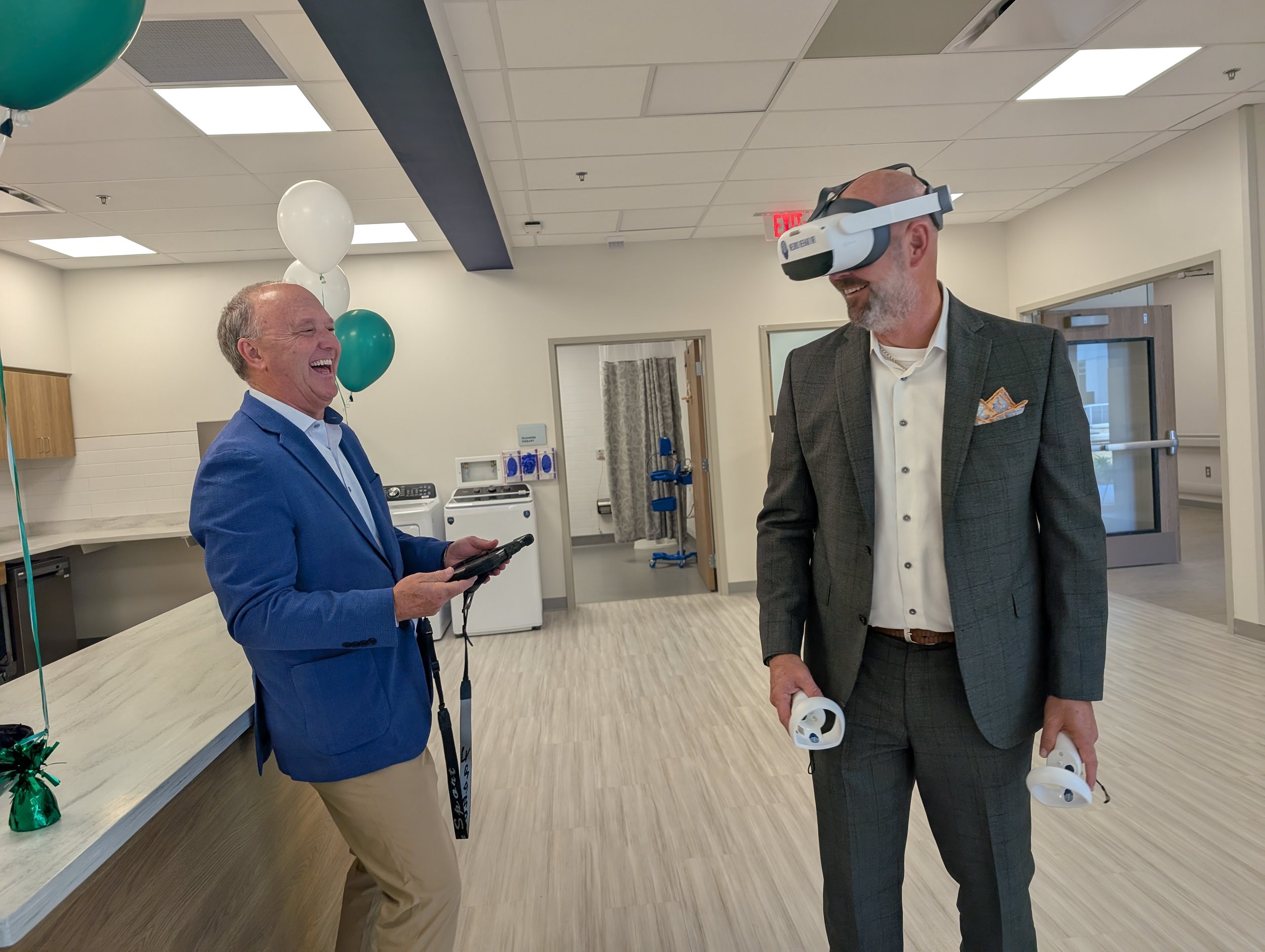
Not every patient comes into rehabilitation ready to tolerate a long, physically demanding session, and for many clinicians, that is simply part of the reality of care. Patients may be recovering from a stroke, neurological injury, prolonged hospitalization, surgery, illness, or a period of significant deconditioning, and their ability to participate can be limited by fatigue, pain, weakness, fear of falling, reduced confidence, cognitive overload, or even frustration with how difficult once-familiar movements have become. In skilled nursing, inpatient rehabilitation, outpatient neurorehabilitation, and other settings, it is common for a therapist to work with someone who may only be able to participate meaningfully for a few minutes at first, which means the clinical challenge is not just choosing the right exercise but creating an experience the patient can tolerate, understand, and gradually become more involved in over time.
That distinction is important because rehabilitation depends heavily on meaningful participation and repeated practice, but simply scheduling more therapy time does not guarantee that the patient is actively engaged throughout the session. Research examining rehabilitation dose after stroke has shown that greater amounts of therapy can be associated with better outcomes, while also emphasizing that active therapy time and actual repetitions may be more useful ways to understand dose than scheduled minutes alone (Lohse et al.).
In other words, the question is not only whether a patient spends 30 or 45 minutes in therapy, but how much of that time is spent practicing meaningful movements, responding to challenges, making decisions, and working toward functional goals.
Low Tolerance Does Not Mean Low Potential
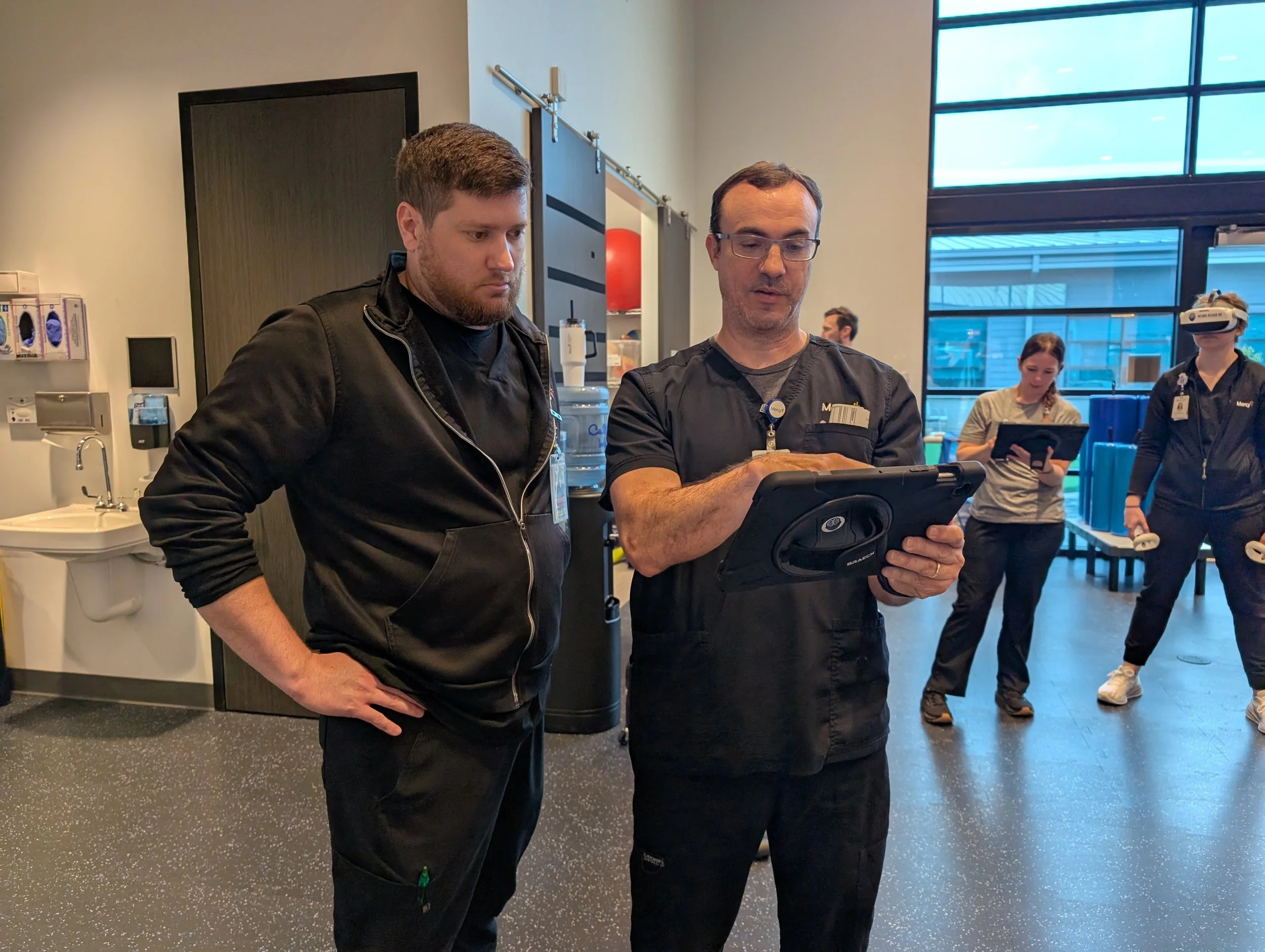
A patient who fatigues quickly or participates for only a short period is not necessarily a patient with limited rehabilitation potential. Their tolerance at that moment may reflect a wide range of factors that have little to do with their long-term ability to improve, including poor endurance, pain, fear, sensory overload, unfamiliar surroundings, cognitive fatigue, or reduced confidence after a recent change in function. Two patients may both stop an activity after five minutes, but one may be limited primarily by physical fatigue while another may be disengaging because the task feels repetitive, confusing, or discouraging, and those differences matter when deciding how to progress the session.
This is why skilled rehabilitation has never been about pushing every patient toward the same amount of activity at the same pace. Therapists are constantly adjusting position, task difficulty, environmental demands, cueing, rest periods, and the level of physical or cognitive challenge based on what the patient is showing them in the moment. For someone with very low tolerance, the first goal may not be to dramatically increase intensity, but rather to identify an entry point where the patient can be successful enough to stay involved while still being challenged enough to make the activity therapeutically meaningful.
Why Active Participation Matters
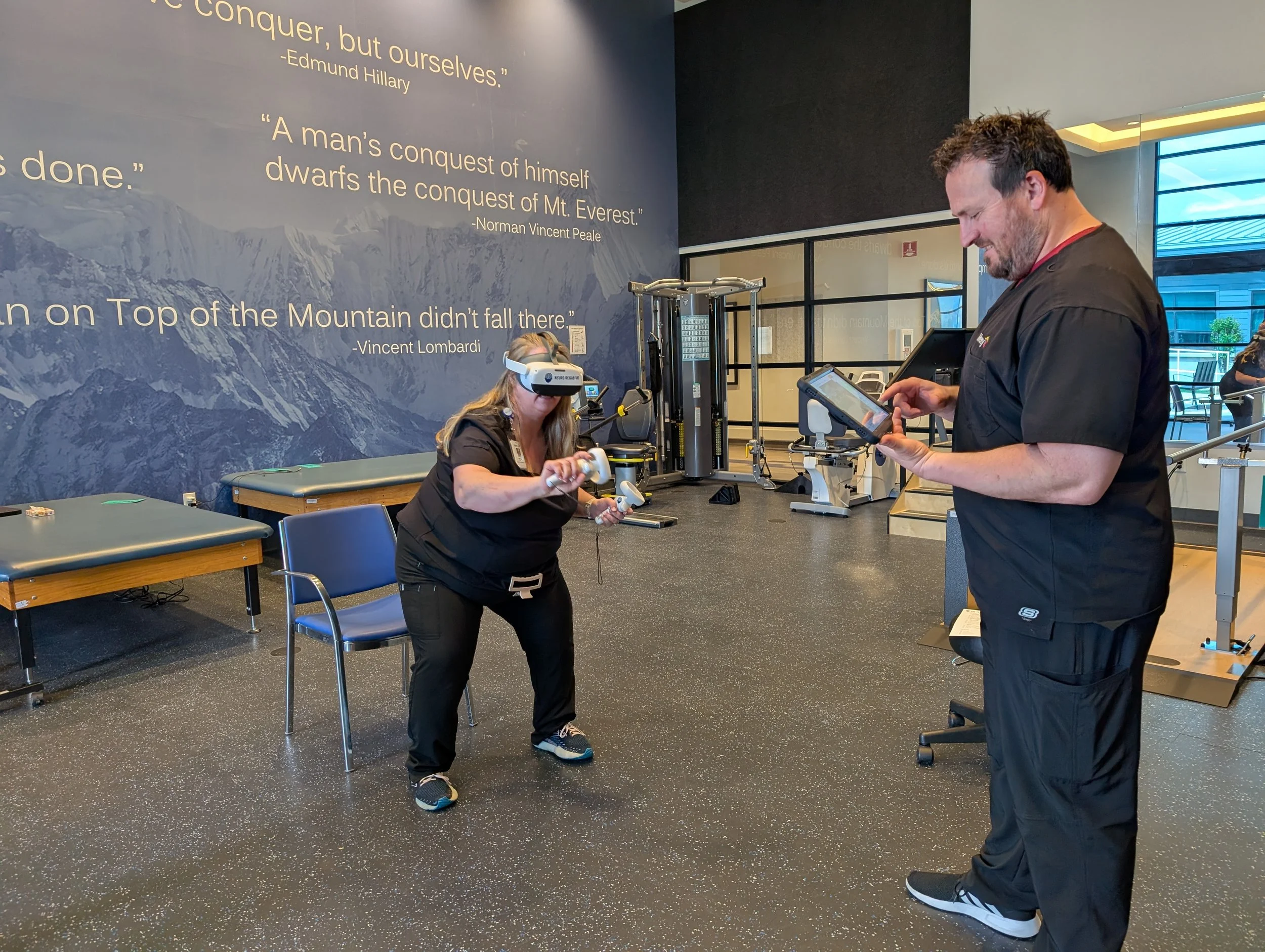
There is an important difference between being present in a therapy session and actively participating in one, particularly when repetition and task practice are central to recovery. In an observational study of outpatient therapy for people with post-stroke hemiparesis, Lang, MacDonald, and Gnip found that although therapy sessions often lasted more than half an hour, the actual number of purposeful movement repetitions completed during treatment could remain relatively low, especially for upper-extremity activities (Lang et al.). Their findings helped draw attention to the gap that can exist between scheduled therapy time and the amount of active practice that actually occurs within that time.
That does not mean every session should become focused on accumulating as many repetitions as possible, because movement quality, safety, fatigue, cognition, medical complexity, and the patient's functional goals still need to guide clinical decisions. Research examining treatment dose has also shown that recovery does not follow a perfectly predictable “more is always better” formula, which reinforces the need for individualized progression rather than a one-size-fits-all target. What these findings do support is the importance of creating opportunities for the patient to spend more of the session actively doing something meaningful rather than waiting, disengaging, or stopping because the task has become too difficult or too repetitive.
Building Tolerance Gradually
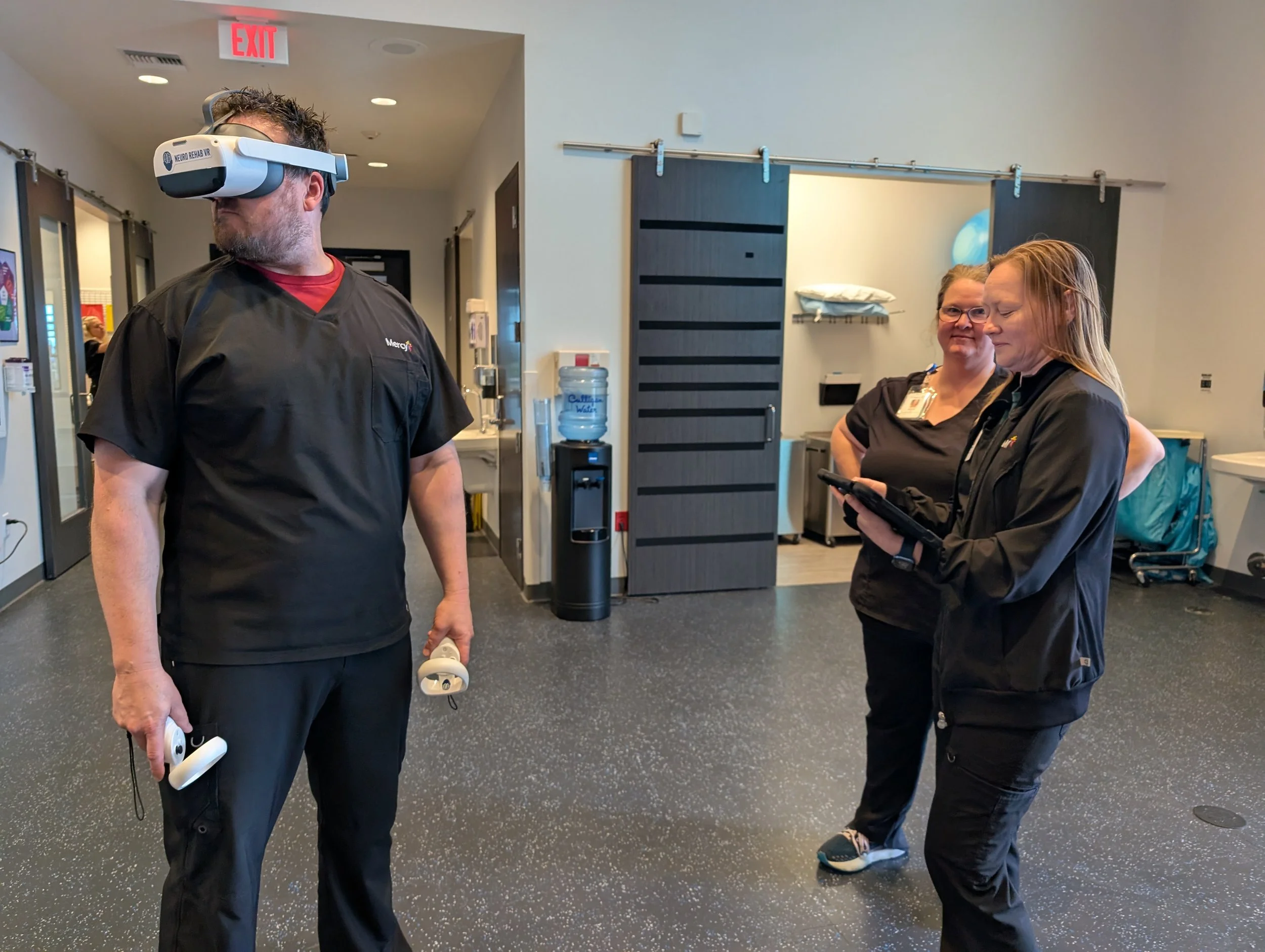
For a patient with limited endurance or participation, progress may begin with changes that seem relatively small on paper but can be clinically meaningful over time. A patient may tolerate standing for four minutes instead of three, complete an additional round of reaching before needing a break, remain engaged long enough to finish a task sequence, or require less encouragement to continue an activity that previously felt overwhelming. These changes may not immediately translate into dramatic improvements in gait speed, strength, or independence, but they can create more opportunities for meaningful practice, and those opportunities can gradually build on one another.
The key is that progression does not always mean making everything harder at once. A therapist might increase duration while keeping the task simple, maintain the same duration while adding a cognitive component, progress from seated to standing, increase reaching distance, reduce external support, or introduce a more functional task once the patient is ready. In some cases, the best progression may even be changing the type of activity rather than simply adding repetitions, especially when motivation or attention is becoming the limiting factor. This is where the therapist's ability to grade the experience becomes just as important as the exercise itself.
When the Experience Changes, Participation Can Change Too
One of the most interesting parts of rehabilitation is that patients do not always respond to two physically similar activities in the same way. A repetitive movement performed without context may feel tedious or exhausting, while the same movement incorporated into a meaningful task may feel easier to continue because the patient has a clear goal and something specific to focus on. Therapists have used this principle for years through functional tasks, games, real-world activities, and creative treatment strategies, and virtual reality provides another way to build that type of context around therapeutic movement.
Immersive rehabilitation environments can require the same reaching, weight shifting, trunk rotation, upper-extremity coordination, visual scanning, and balance reactions that might otherwise be practiced conventionally, but the patient experiences those demands as part of a task or environment that gives the movement a purpose. A systematic review by Patsaki and colleagues found that immersive virtual reality used after stroke demonstrated potential benefits in areas such as functional ability, balance, strength, and upper-extremity performance, while also noting the role that motivation and engagement may play in supporting rehabilitation participation (Patsaki et al.). More recent research has similarly highlighted the ability of immersive VR to support repeated movement practice while allowing activities to be adapted to different ages, functional abilities, and rehabilitation goals (Capriotti et al.).
This is not to suggest that putting on a headset automatically improves tolerance, because the patient still needs to be appropriately screened, monitored, and progressed by the clinician. Instead, virtual reality can give therapists another way to shape the experience around the same therapeutic goals, which may be particularly useful for patients who become discouraged or disengaged when therapy feels repetitive.
A Real Example of Tolerance Changing With the Task
WakeMed Rehab has shared a clinical example that illustrates how strongly the activity itself can influence participation. In their description of VR use in rehabilitation, they discussed a patient who had previously tolerated only a short amount of time upright in a standing frame but was able to remain upright considerably longer while participating in an immersive boxing activity, with appropriate positioning and rest incorporated as needed (WakeMed). The underlying physical challenge had not disappeared, because the patient was still weight bearing and maintaining an upright position, but the activity provided a different reason to stay engaged with the task.
That type of example should not be interpreted as a universal outcome or as evidence that VR will automatically increase tolerance for every patient. What it does demonstrate is a clinical idea that therapists already understand well: when a task feels meaningful, interesting, or goal-oriented, a patient's willingness to remain involved can change, even when the physical demands are still present. For some patients, the difference between stopping and continuing may have less to do with whether the activity is technically difficult and more to do with how the activity is experienced.
Meeting the Patient Where They Are
One of the benefits of using adaptable rehabilitation technology is that immersive therapy does not have to begin with advanced standing, fast movements, or complicated cognitive demands. A patient who is weak or easily fatigued may begin seated, while someone with balance limitations may perform a simplified activity with greater support before progressing to more dynamic tasks. Another patient may be physically capable of participating for longer periods but need reduced visual or cognitive complexity because attention and processing are the limiting factors rather than endurance.
This need for flexibility is also reflected in research on virtual reality usability. Naqvi and colleagues emphasized that successful rehabilitation technology has to be usable for both patients and therapists, because a system that is technically sophisticated but difficult to set up, adjust, or understand can quickly become a barrier rather than a benefit (Naqvi et al.). This becomes especially important when working with older adults, individuals with neurological conditions, or patients who already have limited tolerance, because the technology should support the therapy rather than create an additional source of fatigue or confusion.
The most useful systems are therefore those that allow the clinician to adjust the challenge without completely changing the therapeutic objective. A reaching activity can remain a reaching activity while distance, speed, duration, position, visual complexity, or cognitive demand are changed, which gives the therapist more control over how the task grows with the patient.
Participation Is Not Only Physical
Low tolerance is often discussed in terms of endurance, but physical stamina is only one part of participation. A patient may be able to sit or stand for 20 minutes and still lose focus after five, while another may become overwhelmed when a simple movement is combined with visual scanning, sequencing, or decision-making. Patients recovering from stroke, brain injury, or other neurological conditions may also struggle more when distractions are introduced, even if the physical movement itself is relatively manageable.
Virtual environments can help therapists introduce these demands gradually because activities can combine physical movement with cognitive challenges in a controlled setting. Lone Star Neurology describes VR-based neurological rehabilitation as a way to incorporate repeated practice, real-time feedback, task-oriented activities, and adaptable levels of difficulty across areas such as balance, gait, coordination, attention, memory, and problem-solving (Lone Star Neurology). For the therapist, the value is not simply that more things can be added to the task, but that those demands can be introduced at a pace the patient can handle.
A patient may begin by reaching toward a single target, then progress to choosing between targets, responding to cues, remembering a sequence, or performing the movement while maintaining balance. This creates a more realistic progression toward everyday function without requiring the patient to begin with all of those demands at once.
Meaningful Tasks Can Help Sustain Participation
Another factor that can influence participation is whether the patient understands why they are doing the activity. Reaching toward a cone may be appropriate from a clinical standpoint, but reaching into a cabinet, sorting items, or completing part of an everyday routine can feel more purposeful because the patient recognizes the connection to something they actually do outside of therapy. This is one of the reasons task-specific and functional practice continue to play such an important role in rehabilitation.
Immersive VR can extend that concept by creating simulated environments that would be difficult to reproduce consistently in a clinic or skilled nursing setting. Capriotti and colleagues noted that VR can support rehabilitation by simulating functional actions and activities of daily living while maintaining a controlled environment for repeated practice (Capriotti et al.). The patient may still be working on range of motion, balance, coordination, sequencing, or endurance, but the activity feels less abstract because those movements are embedded within a recognizable task.
This does not mean every exercise needs to become a virtual ADL, nor does it mean conventional therapy is somehow less valuable. It simply gives clinicians another option when a patient needs a stronger connection between the movement being practiced and the functional reason for practicing it.
Confidence Can Affect How Much a Patient Is Willing to Try
For patients with low tolerance, confidence can quickly become part of the clinical picture. A patient who fatigues early may begin expecting every session to feel exhausting, while someone who has experienced a fall or repeated difficulty with an activity may become hesitant to attempt movements they are physically capable of performing. Over time, that hesitation can reduce participation and limit the amount of practice the patient is willing to attempt.
One way therapists address this is by creating a level of challenge that allows the patient to experience success without making the activity so easy that it loses therapeutic value. As the patient improves, the task can become more complex through longer duration, greater reaching distance, reduced support, faster responses, additional cognitive demands, or more functional movement patterns. Each successful progression gives the patient evidence that they are capable of doing more than they previously expected.
WakeMed's use of immersive rehabilitation reflects this same idea by incorporating VR into treatment for range of motion, balance, fine motor skills, strength, weight bearing, and activity tolerance while using the environment to support confidence and engagement (WakeMed). Again, the value is not that the technology performs the therapy for the patient, but that it can give the patient another reason to attempt the movement and another way to experience progress.
How Smart Therapy™ Supports Progression
At Neuromersive, this type of progression is one of the ways Smart Therapy™ is designed to support clinicians during rehabilitation. The goal is not to replace skilled therapy or turn every session into a game, but to give therapists another environment where they can work on meaningful movements and functional demands while still maintaining control over the level of challenge.
Activities within Smart Therapy™ can incorporate reaching, upper-extremity coordination, balance, trunk movement, cognitive tasks, sequencing, activities of daily living, and dual-task demands, allowing the therapist to adjust the experience based on the patient's current abilities. Someone with very low endurance may begin with a seated activity and shorter rounds, while another patient may be able to progress to standing, larger movement ranges, additional cognitive demands, or more complex functional tasks as tolerance and performance improve.
This flexibility is particularly important because rehabilitation rarely progresses in a perfectly straight line. A patient may tolerate more activity one day and need a simpler session the next because of fatigue, pain, medication changes, sleep, or medical status. Having the ability to modify the activity without abandoning the therapeutic goal can make it easier for the clinician to keep the patient actively involved while still respecting the patient's limitations on that particular day.
Smart Therapy™ also provides performance information that can complement clinical observation, but those metrics are only one part of the overall picture. The therapist still determines whether the patient's movement quality is appropriate, whether fatigue is becoming limiting, whether the activity remains safe, and whether the challenge should be increased, maintained, or reduced. The technology provides another layer of information and another treatment environment, while the clinical reasoning remains with the therapist.
More Therapy Is Only Helpful When It Is the Right Therapy
Discussions about rehabilitation intensity can sometimes make it sound as though the goal is simply to fit as much activity into a session as possible, but the research and day-to-day clinical experience are much more nuanced than that. Lohse and colleagues found an association between greater therapy dose and improvement after stroke, while also emphasizing the importance of understanding how much active practice is actually occurring within scheduled therapy time (Lohse et al.). Other studies examining repetition and task-specific training have shown that outcomes do not increase in a perfectly predictable way simply because the number of repetitions increases, which reinforces the need for individualized progression rather than a fixed target.
The reality is that patients are affected by pain, fatigue, cardiopulmonary tolerance, cognition, sensory processing, fear, medical complexity, and motivation, all of which can change from day to day. A longer session is not automatically a better session if the patient spends much of it exhausted, disengaged, or performing movements with poor quality. In some cases, the best clinical decision is to reduce the demand temporarily, change the task, provide a rest period, or shift to an activity that allows the patient to continue participating without sacrificing safety.
The goal is not maximum participation at any cost, but meaningful participation at the right level of challenge, because that is what gives patients the best opportunity to practice successfully and continue progressing.
From Tolerating Therapy to Taking Part in Recovery
For patients who begin rehabilitation with limited tolerance, progress can be easy to overlook because the earliest improvements may not show up as major changes in strength, gait speed, or independence. They may appear first as a patient staying engaged a little longer, requiring fewer breaks, completing one additional part of a task, attempting something without as much hesitation, or asking to repeat an activity they previously wanted to stop.
Those changes matter because they create more opportunities for practice, and meaningful practice is one of the foundations of rehabilitation. Over time, greater participation can support more movement, more problem-solving, more repetition, and more chances for the patient to apply what they are learning to everyday function.
Virtual reality is not the only way to create that progression, and it will not be the right tool for every patient or every session. When it is thoughtfully integrated into skilled rehabilitation, however, it can give clinicians another way to adjust the environment, make repetitive movement more meaningful, simulate functional tasks, layer in cognitive demands, and help some patients remain actively involved for longer periods of time.
The real goal is not simply helping someone tolerate a longer session. It is helping them move from getting through therapy to becoming a more active participant in their own recovery.
-
Capriotti, Alessandro, et al. “Virtual Reality: A New Frontier of Physical Rehabilitation.” Sensors, vol. 25, no. 10, 13 May 2025, pp. 3080–3080, 10.3390/s25103080.
Lang, Catherine E., et al. “Counting Repetitions: An Observational Study of Outpatient Therapy for People With Hemiparesis Post-Stroke.” Journal of Neurologic Physical Therapy, vol. 31, no. 1, Mar. 2007, pp. 3–10, 10.1097/01.npt.0000260568.31746.34.
Lohse, Keith R., et al. “Is More Better? Using Metadata to Explore Dose–Response Relationships in Stroke Rehabilitation.” Stroke, vol. 45, no. 7, July 2014, pp. 2053–2058, 10.1161/strokeaha.114.004695.
Lone Star Neurology. “Virtual Reality in Neurological Rehab: Innovations & Impact.” 4 Mar. 2025.
Patsaki, Irini, et al. “The Effectiveness of Immersive Virtual Reality in Physical Recovery of Stroke Patients: A Systematic Review.” Frontiers in Systems Neuroscience, vol. 16, 22 Sept. 2022, 10.3389/fnsys.2022.880447.
WakeMed. “Virtual Reality in Rehab Therapy.” 2019.