How Rehab Carryover Helps Patients Use Skills in Real Life
Written by: Brianna Hodge
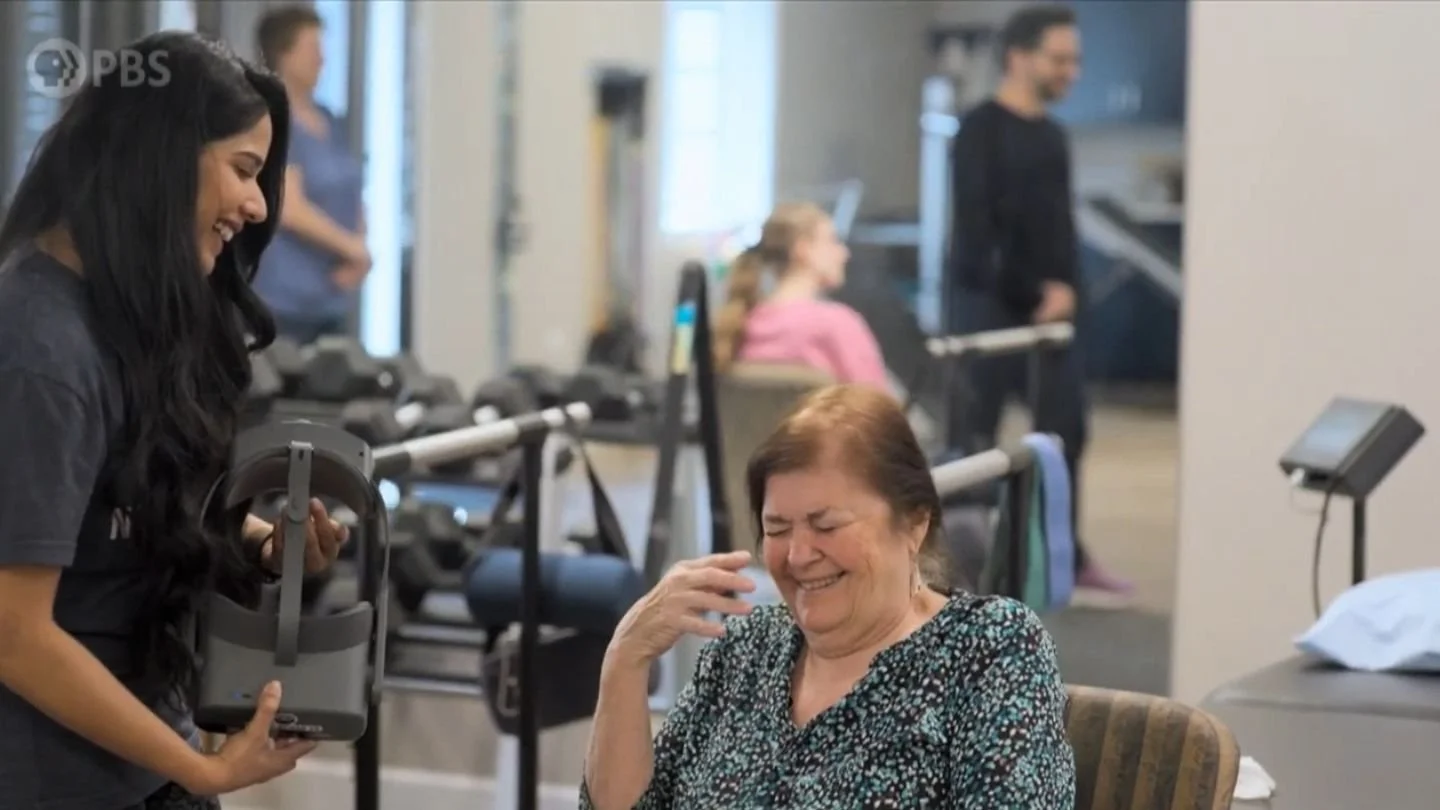
In rehabilitation, progress is not only measured by what a patient can do during a therapy session. A patient may walk farther in the gym, reach higher during an activity, or complete a movement with fewer cues while the therapist is present, but the larger goal is helping that progress transfer into daily life. Carryover is what happens when the skills practiced in therapy begin to show up in the moments that matter most, such as getting dressed, walking to the bathroom, reaching into a cabinet, preparing a meal, or navigating a hallway with other people around.
Carryover is one of the most important goals in rehabilitation because real life is rarely controlled or predictable. Patients are not just asked to move in one direction, respond to one cue, or perform one task at a time. They have to adjust to changing environments, manage distractions, remember what they are doing, and use their body in ways that feel safe and meaningful. When therapy is designed with carryover in mind, each activity becomes more than an exercise. It becomes a step toward greater independence, confidence, and participation outside of the therapy room.
The Difference Between Clinic Performance and Real-World Function
It is common for patients to perform well in a structured therapy environment but still struggle when they return to their normal routines. A person may demonstrate improved balance during a session but feel uncertain when walking through a crowded dining room. Someone may complete reaching tasks at a therapy table but have difficulty reaching into a closet or cabinet at home. This gap does not mean the therapy was unsuccessful. It often means the patient needs more opportunities to practice skills in ways that resemble the situations they will actually face.
Research in neurorehabilitation continues to emphasize that functional recovery is supported by task-specific practice, repetition, feedback, meaningful goals, and progressive challenge. Maier and colleagues identified key principles of neurorehabilitation after stroke, including dosage, task specificity, goal-oriented practice, variable practice, multisensory stimulation, feedback, and social interaction. These principles are important because carryover is more likely to happen when therapy is structured around real functional demands instead of isolated movement alone (Maier et al.)
Motor Learning Is the Foundation of Carryover
Carryover is closely tied to motor learning, which is the process of gaining, refining, and retaining movement skills over time. In rehabilitation, this means patients need more than a few successful repetitions during one session. They need repeated opportunities to practice meaningful tasks, receive feedback, make adjustments, and experience success across different levels of challenge. This is especially important for patients recovering from stroke, brain injury, neurological conditions, orthopedic injuries, or general deconditioning, because the body and brain often need consistent practice to rebuild movement patterns and confidence.
Muratori and colleagues discussed how principles of motor learning and motor control can support upper extremity rehabilitation, especially when practice is structured with appropriate feedback, challenge, and context. This applies across many areas of rehabilitation because patients are not simply exercising muscles. They are learning how to move more efficiently, respond to their environment, and use their abilities in everyday situations. When clinicians use motor learning principles intentionally, therapy becomes more connected to long-term function (Muratori et al.)
Why Task-Specific Practice Helps Skills Stick
Task-specific practice is one of the strongest ways to support carryover because it connects therapeutic movement to a real purpose. Instead of only asking a patient to reach forward repeatedly, a clinician may have them reach for objects that mimic grooming, dressing, cooking, or shopping tasks. Instead of only practicing standing balance in one position, a therapist may progress the activity to include weight shifting, turning, scanning, reaching, or stepping around obstacles. These kinds of activities help patients practice movements in a way that feels more relevant to their daily routines.
The reason this matters is simple: people improve at what they practice. If therapy only includes isolated movements, patients may become better at those isolated movements, but they may still struggle to use them functionally. When therapy includes activities that resemble real-life tasks, patients have more opportunities to connect movement with purpose. That connection can make practice more meaningful, improve engagement, and increase the chance that the skill will transfer outside of the session (Maier et al.)
Feedback Helps Patients Understand Progress
Feedback is another major part of carryover because patients need to understand what is changing and how to adjust their performance. Sometimes feedback comes from the therapist through verbal cues, demonstration, or hands-on guidance. Other times, it comes from the task itself, such as seeing whether an object was reached, whether balance was maintained, or whether the patient completed the activity more smoothly than before. When feedback is clear and purposeful, it helps patients build awareness and make small corrections that support better performance over time.
The goal is not to overwhelm the patient with constant correction, but to provide the right amount of information at the right time. Too much feedback can make a patient dependent on the clinician, while too little feedback can leave them unsure of how to improve. Effective feedback helps patients recognize their own progress, understand what strategies are working, and feel more confident applying those strategies outside of therapy (Muratori et al.)
Real Life Requires Adaptability
Daily life is full of variation, and that is one reason carryover can be challenging. A patient may practice walking on a flat surface in therapy but later need to walk across carpet, tile, grass, ramps, or crowded spaces. A reaching task may feel simple when the object is directly in front of them but become harder when they need to turn, scan, shift weight, or manage fatigue at the same time. These changes are part of real life, so rehabilitation has to prepare patients for more than one version of a task.
Variable practice helps patients learn how to adapt instead of only repeating one exact movement pattern. This may include changing the speed, direction, object location, environment, level of support, cognitive demand, or sensory input during an activity. By gradually introducing variation, clinicians can help patients build flexibility and confidence. This kind of training supports carryover because patients are better prepared for the unpredictable nature of daily routines (Maier et al.)
Where Virtual Reality Supports Carryover
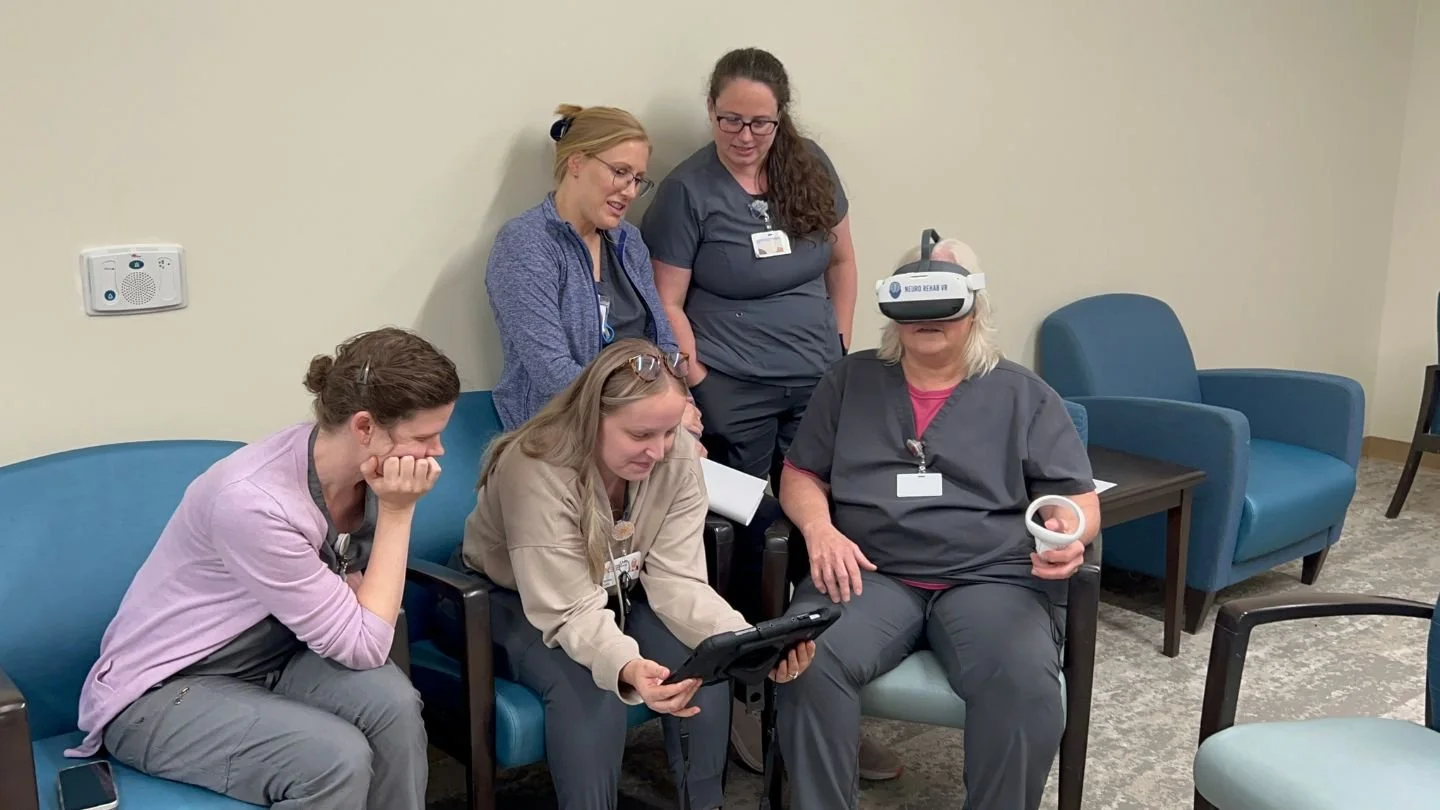
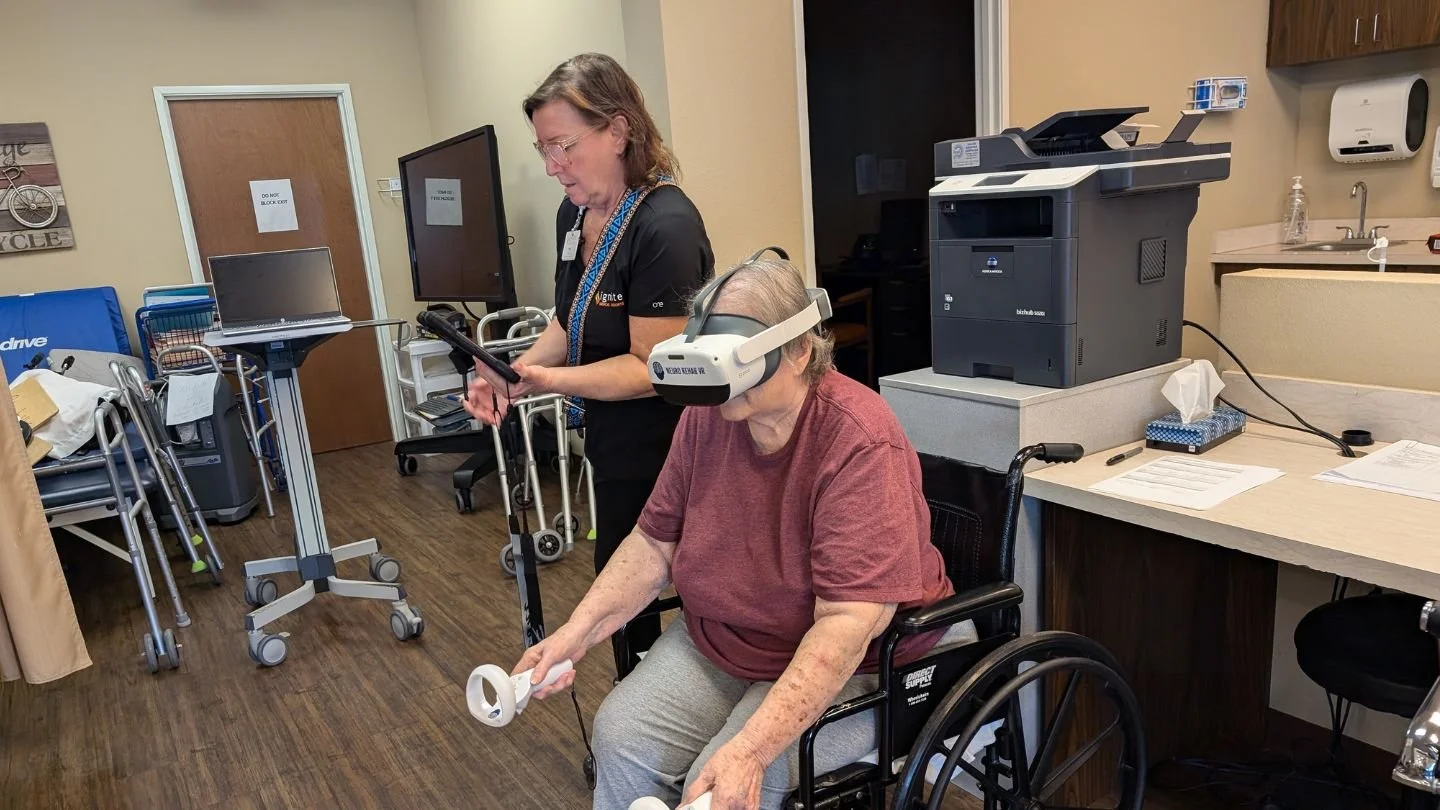
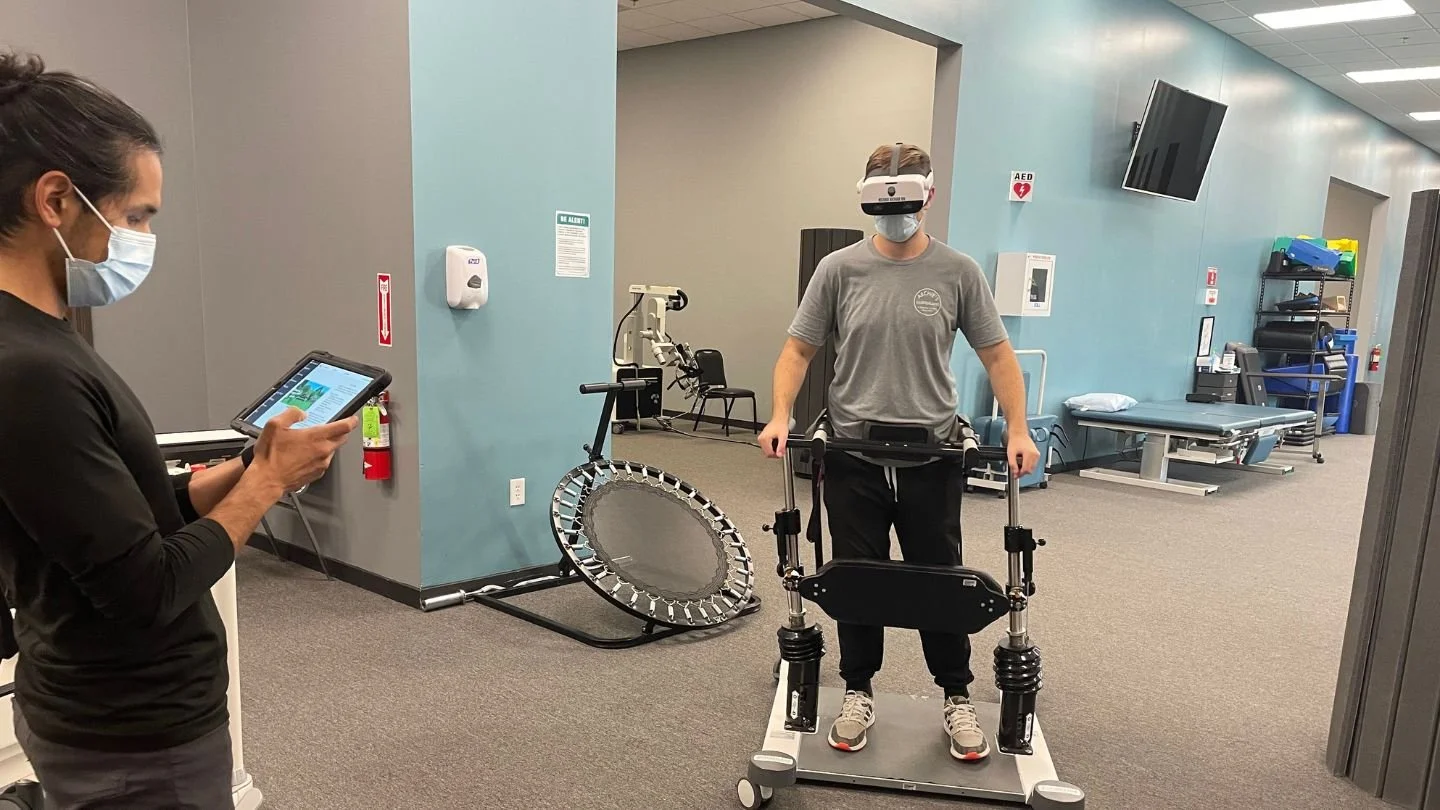
Virtual reality can support carryover by helping clinicians create therapy experiences that feel more interactive, functional, and realistic. VR allows patients to practice movements and cognitive skills within simulated environments that can be safer and easier to control than real-world settings. A patient may practice reaching for objects, scanning a visual field, responding to cues, stepping, shifting weight, coordinating movement, or completing task-based activities that connect more closely to daily life.
Research on virtual reality in rehabilitation has shown that VR can be a useful addition to traditional care, especially when it supports repetition, engagement, feedback, and task-specific practice. Laver and colleagues reviewed virtual reality for stroke rehabilitation and found that VR has been studied across outcomes such as upper limb function, balance, gait, activity, and participation. While VR is not meant to replace skilled therapy, it can give clinicians another way to increase meaningful practice and help patients stay engaged during the recovery process (Laver et al.)
Making Repetition Feel More Meaningful
One of the challenges in rehabilitation is that patients often need a high number of repetitions to improve, but repetitive exercise can become boring, frustrating, or tiring. VR can help by turning repetition into an activity with a goal, visual feedback, and a sense of progress. Instead of feeling like they are simply repeating the same movement over and over, patients may feel like they are completing a task, playing a game, or working toward a visible outcome.
This type of engagement matters because patients are more likely to participate fully when the activity feels purposeful. Reaching, stepping, scanning, or weight shifting can be built into an experience that holds the patient’s attention while still targeting the clinical goal. When repetition feels less repetitive, patients may be more willing to keep practicing, and clinicians may be able to get more active participation within the same session time (Laver et al.)
Bringing Real-World Demands Into a Safer Space
Another benefit of VR is that it can help bring real-world demands into a controlled therapy setting. Many patients need practice with environments that include visual movement, distractions, decision-making, balance demands, or dual-task challenges, but it may not always be safe or practical to expose them to those situations right away. VR can create a bridge between the therapy room and the real world by allowing patients to practice challenging skills with therapist supervision and adjustable difficulty.
This is especially helpful for patients who need to rebuild confidence. Someone who is nervous about walking in busy spaces, reaching outside their base of support, or responding to visual stimulation may benefit from practicing those skills in a graded environment. Research on ecologically valid VR-based technologies for acquired brain injury highlights that virtual environments can support assessment and rehabilitation by creating tasks that more closely reflect real-world functional demands (Ana Lúcia Faria et al.)
VR and Activities of Daily Living
Carryover becomes stronger when rehabilitation connects directly to the activities patients need to perform outside of therapy. Activities of daily living and instrumental activities of daily living often require physical, cognitive, and sensory skills to work together. A person may need to remember a sequence, visually scan a space, reach for an object, shift their weight, and make a decision all within the same task. When therapy includes these layered demands, patients can begin practicing the complexity of everyday life in a more structured way.
A systematic review by Buele, Varela-Aldás, and Palacios-Navarro explored virtual reality applications based on instrumental activities of daily living for cognitive intervention in older adults. Their review supports the idea that VR can be used to create task-based experiences that resemble everyday activities such as shopping, planning, and problem-solving. This type of practice is important for carryover because it helps therapy move beyond isolated movements and closer to the routines patients actually want or need to return to (Buele et al.)
How Smart Therapy™ Complete Solution Fits Into Carryover
At Neuro Rehab VR, our Smart Therapy™ Complete Solution was designed to help clinicians connect therapy activities to real-world function in a more engaging and measurable way. The system includes a wireless VR headset, clinician tablet, interactive therapy activities, real-time performance data, and documentation support that helps therapists individualize sessions based on each patient’s goals and abilities. Activities can be adapted for seated, standing, balance, mobility, upper extremity, cognitive, vestibular, and ADL-style needs, which allows clinicians to meet patients where they are while still building toward meaningful progression.
The goal of Smart Therapy is not to replace the therapist or take away the clinical reasoning that makes rehabilitation effective. Instead, it gives clinicians another tool to support repetition, engagement, task-specific practice, feedback, and carryover. When a therapist can adjust the activity, track performance, and connect the experience to functional goals, therapy can become more active, more motivating, and more connected to the skills patients need outside of the session.
Carryover Also Depends on Confidence
Carryover is not only physical. It is also emotional and cognitive. Patients may have the strength or ability to complete a task but still hesitate because they are afraid of falling, making a mistake, or becoming overwhelmed. Confidence plays a major role in whether patients are willing to try activities outside of therapy. If someone does not believe they can safely use a skill, they may avoid the very situations they need to practice.
Rehabilitation can help rebuild confidence by creating safe opportunities for success. When patients see that they can complete an activity, improve their performance, or tolerate a greater challenge than before, they begin to trust their abilities again. VR can support this process by allowing patients to practice meaningful tasks in a guided environment where the therapist can control the difficulty, provide support, and celebrate progress.
Planning for Carryover From the Start
Carryover should not be treated as something that happens only at the end of therapy. It should be built into the plan of care from the beginning. Clinicians can support this by asking what the patient needs to do in their daily life, what environments they need to return to, what barriers they are facing, and what activities matter most to them. These answers help therapy become more personal and more functional.
When carryover is part of the plan from day one, each session can build toward real-world participation. A balance activity can be connected to walking to the dining room. A reaching activity can be connected to dressing or grooming. A cognitive-motor task can be connected to managing a busy environment. This approach helps patients understand why they are practicing and how each activity relates to their independence.
The Bigger Goal: Turning Practice Into Participation
The best rehabilitation does not stop at better performance in the therapy room. It helps patients take what they have practiced and use it in the places, routines, and relationships that shape their daily lives. Carryover is what turns a stronger step into safer mobility, a better reach into greater independence with dressing, and improved balance into more confidence moving through the world.
Whether clinicians are using traditional therapy, virtual reality, or a combination of both, the goal remains the same. Rehabilitation should help patients build skills that last beyond the session. When therapy is meaningful, repetitive, adaptable, and connected to real life, progress has a better chance of becoming participation. That is the true value of carryover in rehabilitation.
-
Ana Lúcia Faria, et al. “Ecologically Valid Virtual Reality-Based Technologies for Assessment and Rehabilitation of Acquired Brain Injury: A Systematic Review.” Frontiers in Psychology, vol. 14, 29 Aug. 2023, www.ncbi.nlm.nih.gov/pmc/articles/PMC10497882/, https://doi.org/10.3389/fpsyg.2023.1233346.
Buele, Jorge, et al. “Virtual Reality Applications Based on Instrumental Activities of Daily Living (IADLs) for Cognitive Intervention in Older Adults: A Systematic Review.” Journal of Neuroengineering and Rehabilitation, vol. 20, no. 1, 19 Dec. 2023, https://doi.org/10.1186/s12984-023-01292-8.
Laver, Kate E, et al. “Virtual Reality for Stroke Rehabilitation.” Cochrane Database of Systematic Reviews, vol. 2025, no. 6, 20 June 2025, https://doi.org/10.1002/14651858.cd008349.pub5.
Maier, Martina, et al. “Principles of Neurorehabilitation after Stroke Based on Motor Learning and Brain Plasticity Mechanisms.” Frontiers in Systems Neuroscience, vol. 13, no. 74, 17 Dec. 2019, www.ncbi.nlm.nih.gov/pmc/articles/PMC6928101/, https://doi.org/10.3389/fnsys.2019.00074.
Muratori, Lisa M., et al. “Applying Principles of Motor Learning and Control to Upper Extremity Rehabilitation.” Journal of Hand Therapy, vol. 26, no. 2, Apr. 2014, pp. 94–103, www.ncbi.nlm.nih.gov/pmc/articles/PMC3773509/, https://doi.org/10.1016/j.jht.2012.12.007.